


Africalix Exclusive Interview
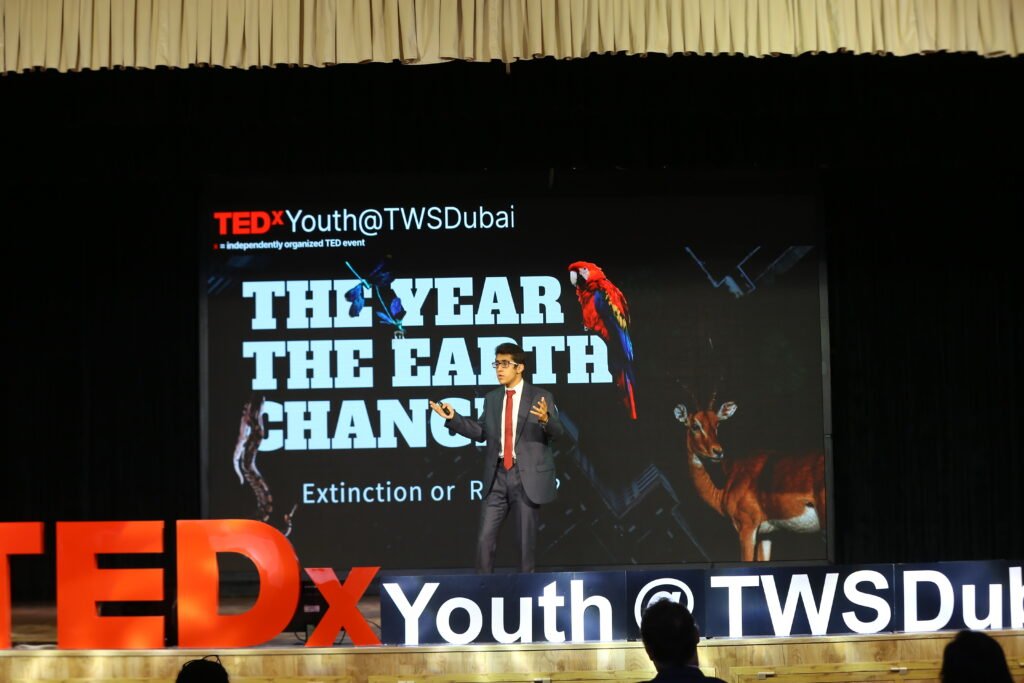
Erfan Firouzi, Founder of The Wildlife Focus and Author of The Year Earth Changed
In global biodiversity diplomacy, the gap between scientific evidence and binding commitments often feels insurmountable. While institutions produce overwhelming data about ecosystem collapse, multilateral negotiations balance urgency against national interests, economic priorities, and political realities.
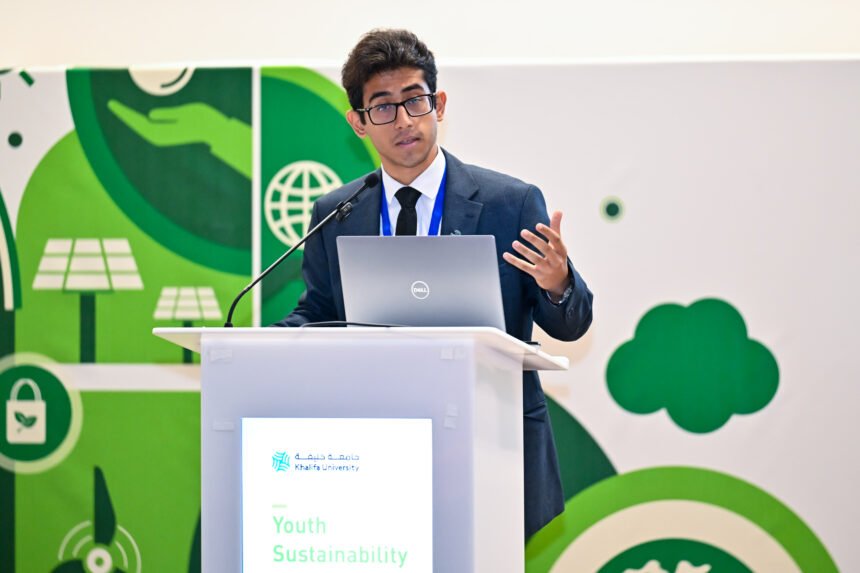
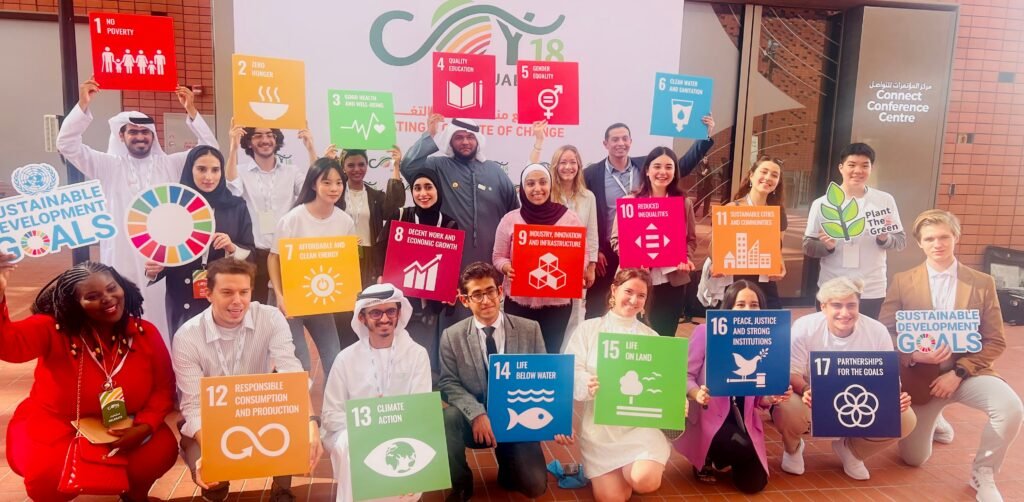
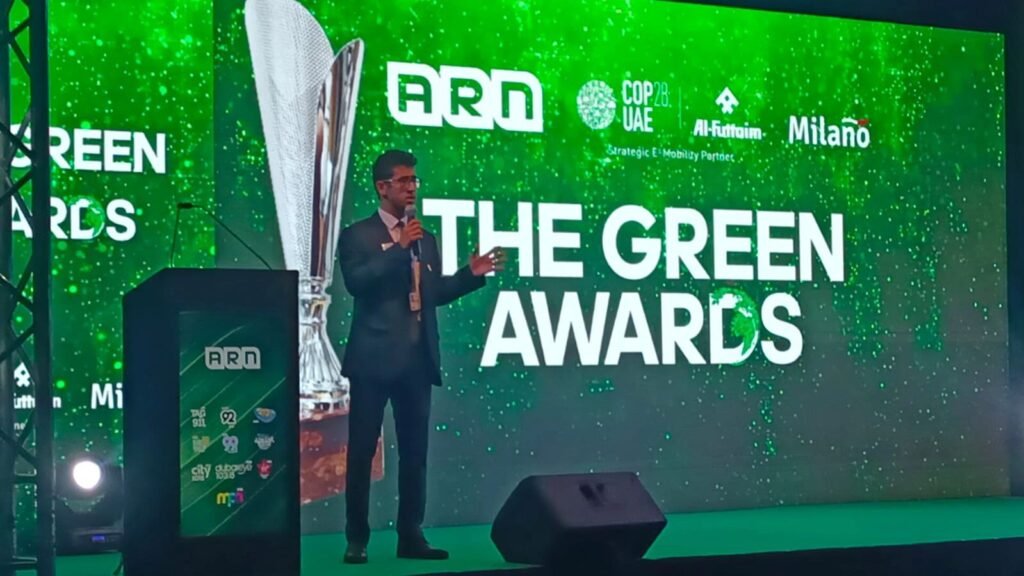
Erfan Firouzi, founder of The Wildlife Focus and author of The Year Earth Changed, has navigated these tensions as a youth biodiversity advocate at forums including COP28 and COY18.
Growing up in Dubai, fascinated by nature, turning over stones and imagining distant ecosystems, he now works to translate complex ecological science into stories that move people to act.
Through fieldwork, specimen collection, research on insect diversity at Monash University, and science communication platforms including the Nature Talks podcast, Erfan bridges the worlds of rigorous research and narrative-driven advocacy.
In this exclusive interview with Africalix, he discusses the fingerprints of climate change on biodiversity, why the COVID-19 lockdowns revealed both nature’s resilience and fragility, and his vision for African-led conservation solutions that center local communities rather than impose external frameworks.
Curiosity, Museums, and Disappearing Landscapes
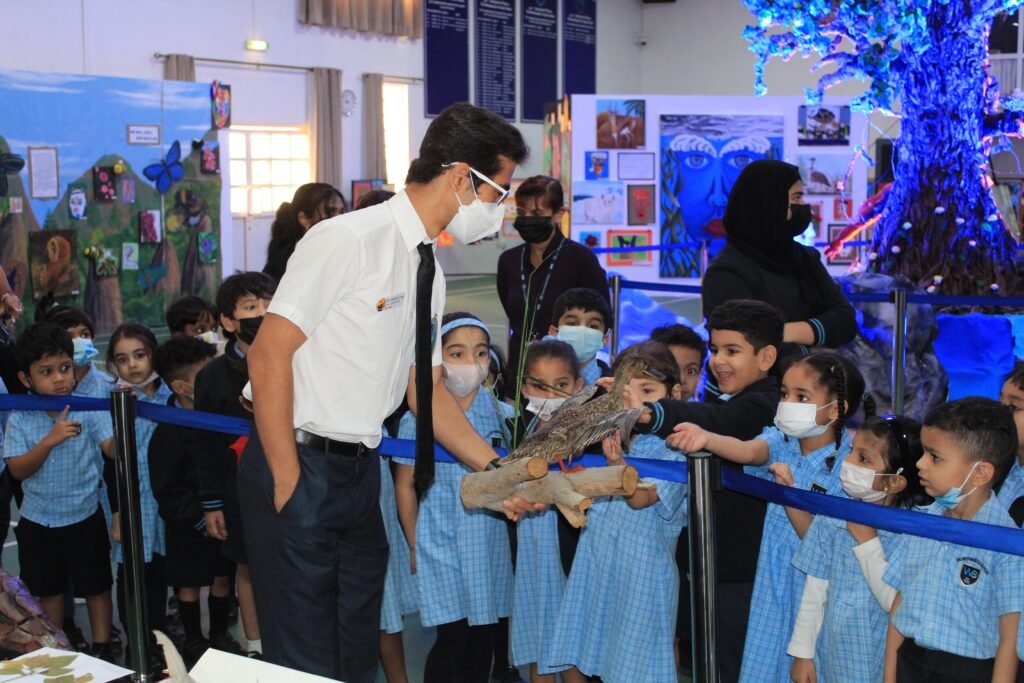
Erfan often begins with a sense of wonder. Growing up in Dubai, one of the busiest cities in the world, he was the kind of child who could spend hours observing insects, turning over stones, or imagining distant ecosystems he had only seen in museum displays or documentaries. Those early encounters sparked a curiosity that never left him.
“Museums, field explorations, and simply slowing down and seeing things people often miss—since I started talking as a little kid, I have always asked questions about everything,” Erfan recalls. “Long conversations with my grandfather about how landscapes and wildlife had changed over generations slowly revealed something profound: the natural world was disappearing within a single human lifetime.”
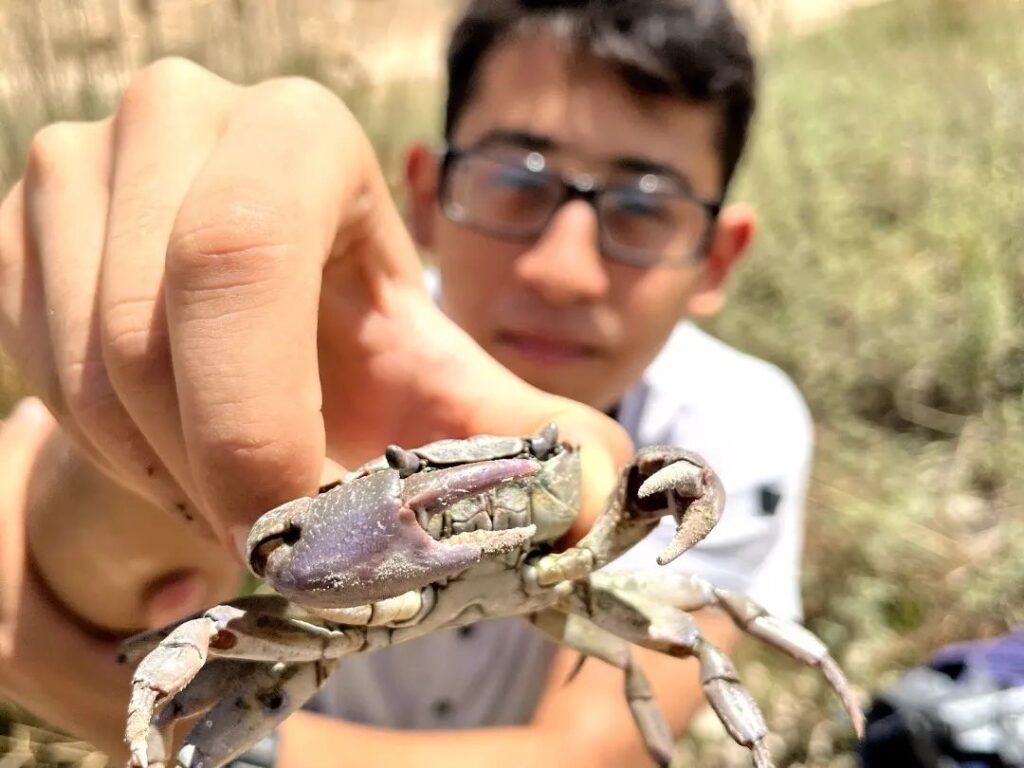
As a young naturalist, he began documenting what he saw around him. At first, it was simple—collecting naturally deceased specimens, observing wildlife, and studying ecosystems wherever he could. Over time, these small acts of curiosity evolved into a deeper exploration of the forces shaping life on Earth.
This realization led to two major paths. The first was founding The Wildlife Focus, an initiative dedicated to sharing stories of nature, biodiversity, and conservation with a global audience, especially young people who might discover their passion through curiosity and exploration.
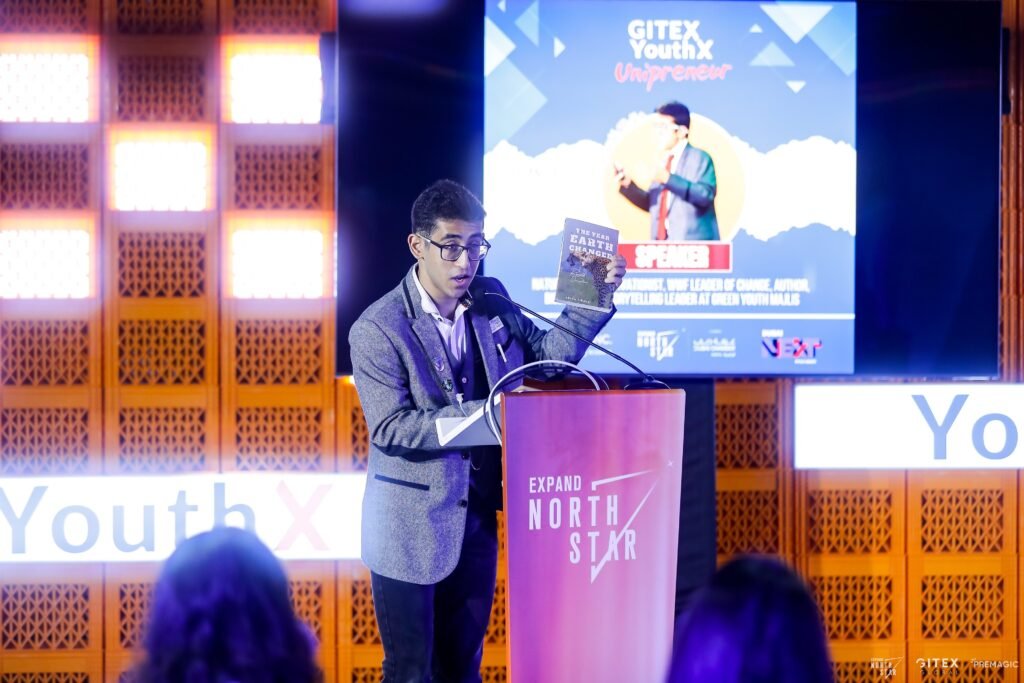
The second was writing The Year Earth Changed, a book reflecting on both the extraordinary history of life on our planet and the fragile systems that sustain it today.
“It tells the story of how life evolved, how humans came to dominate the planet, and how our actions now threaten the very systems that allow life to flourish,” Erfan explains. “But it is also, importantly, a story of hope because nature has an extraordinary ability to recover if we choose to work with it rather than against it.”
The Gap Between Science and Diplomacy
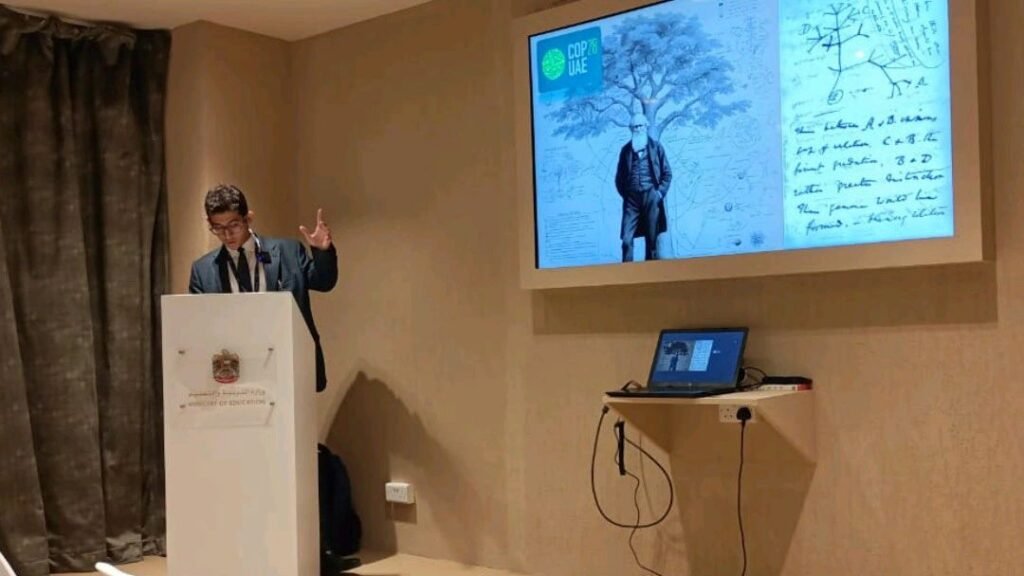
Participating in forums such as COP28 and COY18 revealed both encouraging and challenging aspects of global environmental diplomacy. The encouraging part is that the science is remarkably clear.
Institutions such as the Intergovernmental Panel on Climate Change and the Intergovernmental Science-Policy Platform on Biodiversity and Ecosystem Services have produced overwhelming evidence about the scale of biodiversity loss and climate change.
“The challenge lies in translating that knowledge into binding commitments,” Erfan notes. “Multilateral negotiations must balance scientific urgency with national interests, economic priorities, and political realities. As a result, the final agreements often represent compromise rather than the full level of action scientists recommend.”
For biodiversity in particular, the gap is even more pronounced. Unlike climate change, which has clear metrics such as emissions, biodiversity involves complex ecosystems, land use, oceans, agriculture, and species protection. This complexity makes it harder to translate scientific findings into simple, enforceable policy.
Looking at nature-based solutions as a bridge between climate and biodiversity agendas, Erfan sees healthy ecosystems as simultaneously storing carbon, protecting biodiversity, and supporting human livelihoods.
However, for commitments like the Kunming–Montreal Global Biodiversity Framework to deliver real outcomes, several safeguards are critical: clear monitoring with measurable indicators, centering Indigenous peoples and local communities as effective stewards, and focusing on genuine ecosystem protection rather than using nature-based solutions as substitutes for emissions reductions.
The Lockdown Revelation: Resilience and Fragility
Writing The Year Earth Changed during the global pause brought about by COVID-19 offered a rare and revealing moment. For a brief period, human activity slowed dramatically, temporarily reducing pressure on many ecosystems.
“What struck me most was how quickly nature responded,” Erfan reflects. “In many places, wildlife began to reappear, air and water quality improved, and ecosystems showed signs of great recovery. It was a powerful reminder of nature’s resilience—that if given space and time, the natural world has an extraordinary capacity to heal.”
But the period also revealed something more sobering: how fragile that recovery was. The improvements were temporary because the underlying drivers of biodiversity loss remained unchanged. The pandemic itself highlighted how deeply human health is connected to ecosystem health, and how environmental degradation can increase the risk of emerging diseases.
“The lockdowns offered a glimpse of two possible futures: one in which nature can recover if we reduce pressure, and another in which continued environmental degradation pushes ecosystems beyond their limits,” he explains. “The lesson was simple but profound: the Earth can heal, but only if we choose to change how we live with it.”
Climate’s Fingerprint on Biodiversity
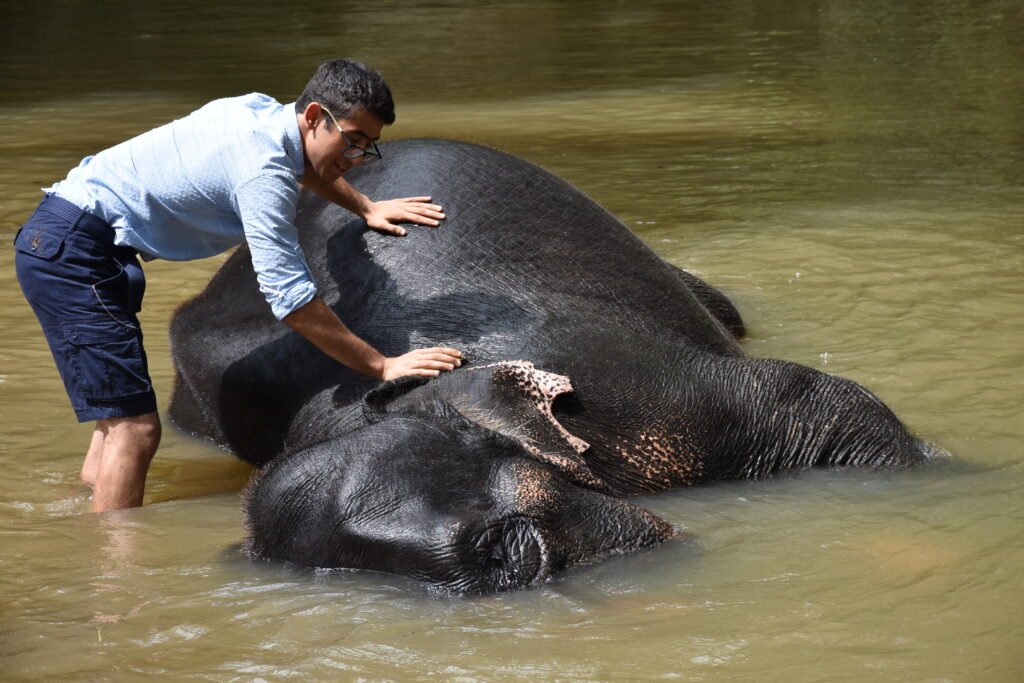
Through years of field observation, specimen collection, and citizen science initiatives, Erfan has often seen the “fingerprint” of climate change as a slow shift in ecological patterns. In some ecosystems, these changes appear as shifts in seasonal timing—migrations occurring earlier or later, flowering periods shifting, or species appearing in places where they were rarely seen before.
What becomes clear through these observations is that climate change rarely acts alone. Instead, it amplifies existing stresses on ecosystems, pushing species closer to ecological limits.
“These experiences have deeply shaped my conservation philosophy,” Erfan notes. “I have come to believe that it’s not statistics but stories that truly move and change people, and that effective conservation must focus not only on protecting individual species, but on restoring the resilience of entire ecosystems.”
He emphasizes that healthy, connected ecosystems are far better able to adapt to a changing climate than fragmented ones. Equally important is reconnecting people with nature through direct observation, citizen science, or simply spending time in natural environments.
Toward Just Conservation Models
One of the most important lessons emerging from global biodiversity discussions is that countries richest in biodiversity are often those with the fewest financial resources to protect it. Many nations across sub-Saharan Africa and other Least Developed Countries safeguard globally significant ecosystems. Yet, they frequently bear the economic and social costs of conservation while contributing the least to the drivers of biodiversity loss.
A more just model of international conservation would begin with fair and sustained financing. Wealthier nations—particularly those whose consumption patterns drive much of the global demand for land, minerals, timber, and agricultural products—should significantly scale up support through mechanisms such as the Global Environment Facility and the Green Climate Fund, while also expanding debt-for-nature swaps and long-term conservation trust funds.
“But finance alone is not enough,” Erfan argues. “Governance must ensure that funding reaches those who are closest to the ecosystems themselves. Indigenous peoples and local communities manage or influence a large portion of the world’s remaining biodiversity, and their knowledge systems are often deeply aligned with sustainable stewardship.”
A just conservation model would place these communities at the center of decision-making, rather than treating them as stakeholders on the margins. International conservation must move beyond short-term projects toward long-term partnerships that support sustainable livelihoods, ecosystem restoration, and locally led conservation strategies.
From Visibility to Influence
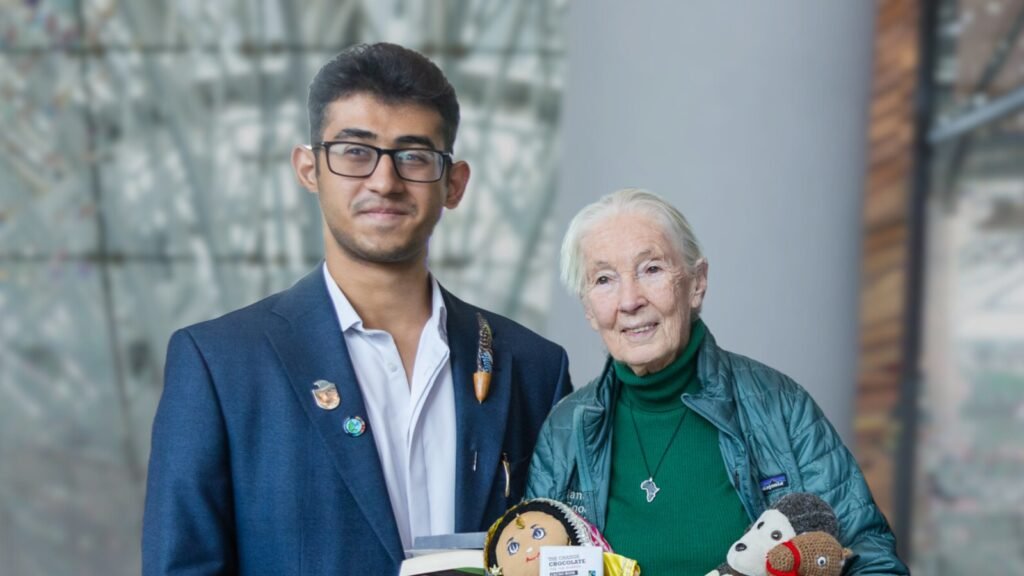
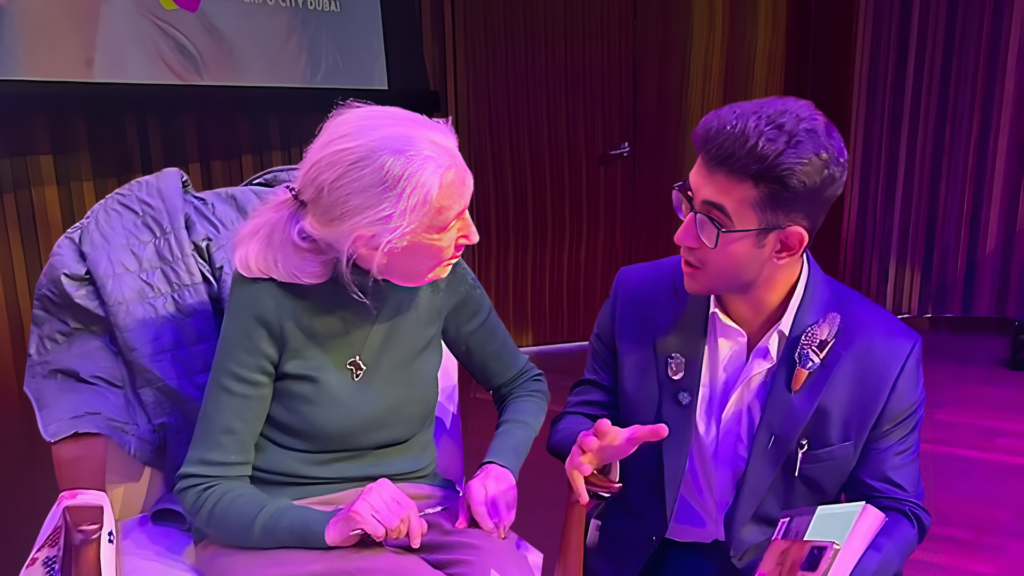
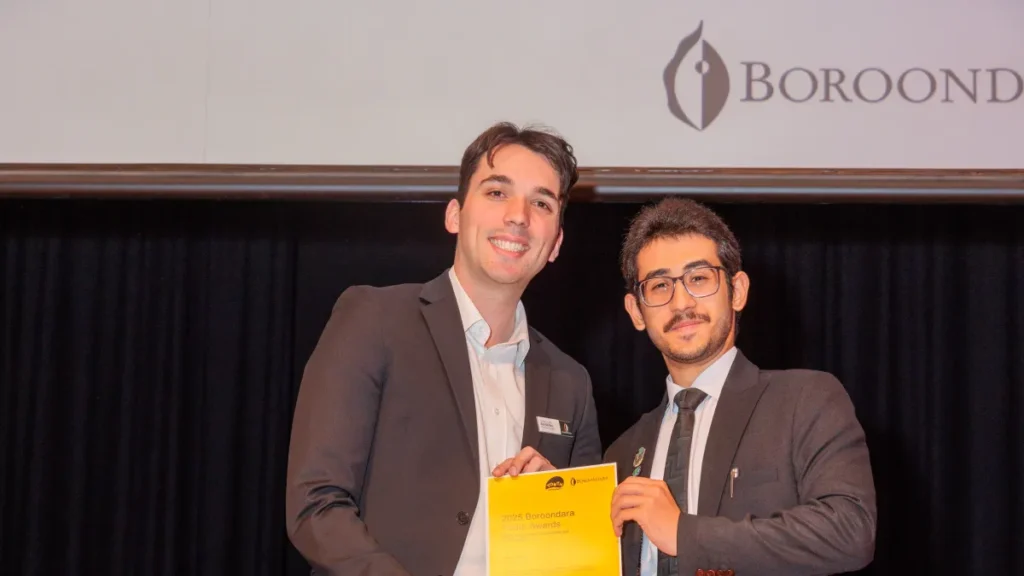
Erfan has been recognized by figures such as Sir David Attenborough, Dr. Jane Goodall, and His Majesty King Charles III. One moment that shaped his perspective was meeting Dr. Jane Goodall at a Roots & Shoots School Awards in Dubai.
“During a brief conversation about youth-led conservation, she listened carefully to the work I had been doing with young people and biodiversity advocacy,” Erfan recalls. “At one point, she smiled and said, ‘With people like you advocating for biodiversity, the future looks bright.’
That moment felt like a reminder of responsibility—that recognition should become a bridge for expanding opportunities for others.”
In many international forums today, youth are increasingly visible, yet visibility alone is not influence. Too often, young advocates are invited to participate symbolically while the real negotiations occur elsewhere.
To change this, youth participation must move beyond representation toward institutional roles in decision-making. This could include youth advisors embedded within national delegations, formal consultation mechanisms within global environmental negotiations, and sustained support for youth-led organizations between summits, not just during them.
Storytelling as a Bridge to Policy
Through The Wildlife Focus and the Nature Talks podcast, Erfan has increasingly come to see storytelling as one of the most powerful bridges between science, public understanding, and policy.
“Scientific research provides the evidence we need to understand biodiversity loss and climate change,” he explains. “But statistics and evidence alone do not always move societies to act. What often transforms awareness into engagement is story—the human experiences, landscapes, and species behind the data.”
One of his priorities has been using storytelling to amplify the voices and perspectives of species that are often underrepresented in global environmental discussions, particularly those from the Middle East, Africa, and the wider Global South. Many of the most important conservation stories and some of the most innovative solutions are happening in these regions. Yet, they are not always visible in international media or policy spaces.
The REWILD Framework in Practice
In The Year Earth Changed, Erfan introduced the REWILD framework as a practical pathway for restoration. The concept grew from a simple realization: if humanity has the power to transform ecosystems so dramatically, then we also have the capacity to help restore them.
The framework begins with Regeneration, focusing on restoring biodiversity and allowing degraded ecosystems to recover. The next dimension involves Evolution—designing cities, agriculture, and economies that welcome wildlife and ecosystems to thrive alongside human development. Another critical component is Innovation and Learning, recognizing that before we can restore ecosystems, we must understand them.
In practice, the framework can operate at multiple levels. Individuals can contribute by restoring local habitats and supporting conservation initiatives.
Communities can create wildlife corridors and develop sustainable land-use practices. Governments can scale these efforts through national restoration strategies and policies that prioritize nature-positive development.
“A common critique of rewilding is that it may overlook the immediate livelihood needs of communities living alongside nature,” Erfan acknowledges. “In my view, rewilding should never be about excluding people from landscapes; rather, it should focus on restoring ecosystems in ways that support both biodiversity and human well-being.”
African-Led Solutions and The Wildlife Focus
Erfan identifies one of the most urgent yet underaddressed conservation challenges facing Africa and other Least Developed Countries as the gap between global conservation ambition and local capacity to implement it. These regions contain some of the world’s most important ecosystems, yet the resources available for long-term conservation, research, and monitoring often remain limited.
“Too often, global conservation strategies are designed far from the landscapes they aim to protect,” he notes. “The most effective solutions, however, are those shaped by local scientists, community leaders, and conservation practitioners who understand the social and ecological realities of their regions.”
Over the next five years, The Wildlife Focus will work to connect with African youth and help share their stories, connecting people outside Africa with the continent’s rich nature. In the long run, Erfan hopes to connect with schools to help amplify biodiversity education for children and youth.
By building networks between researchers, communities, and international institutions, the goal is to strengthen local capacity for long-term environmental stewardship. Partnerships with universities, conservation organizations, and community groups across Africa can help develop projects that combine scientific research with practical conservation outcomes, from ecosystem restoration to biodiversity documentation.
As Erfan emphasizes, the key to all of this is collaboration—getting connected and working together to ensure that African-led solutions drive the continent’s conservation future.
• • •
Erfan Firouzi is the founder of The Wildlife Focus, an initiative dedicated to sharing stories of nature, biodiversity, and conservation with a global audience, and author of The Year Earth Changed, which reflects on the history of life on Earth and the fragile systems that sustain it. He conducts research on insect diversity and its cascading impacts on birds at Monash University and hosts the Nature Talks podcast. Erfan has participated in high-level international forums, including COP28 and COY18, as a youth biodiversity advocate and has been recognized by Sir David Attenborough, Dr. Jane Goodall, and His Majesty King Charles III for his conservation work.