




For years, the “grey list” of the Financial Action Task Force (FATF) has been a diplomatic purgatory not quite a blacklist, but a polite way of saying: We don’t trust your financial system. Being on it makes investors nervous, banks cautious, and governments defensive. But this week, four African countries South Africa, Nigeria, Mozambique, and Burkina Faso finally clawed their way out. And in doing so, they didn’t just fix compliance checkboxes; they sent a message that Africa’s financial future is not destined to remain on the sidelines of global credibility.
The FATF’s decision, announced after its plenary meeting in Paris, recognizes “significant progress” in strengthening anti-money-laundering and counter-terrorist financing frameworks. That may sound like bureaucratic jargon, but for the four countries, it’s economic oxygen. Being delisted means easier access to global capital markets, smoother international transactions, and improved reputational standing. In an age where perception shapes capital flow as much as performance, perception just got a makeover.
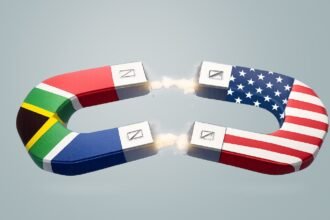
South Africa’s exit is perhaps the most symbolic. The continent’s most industrialized economy was grey-listed in 2023 after years of corruption scandals under former President Jacob Zuma and subsequent revelations from the Zondo Commission. The stain of “state capture” made Pretoria look like a case study in institutional decay. But since then, President Cyril Ramaphosa’s government has pushed hard not always successfully to rebuild public trust and tighten financial regulations. The creation of a more aggressive Financial Intelligence Centre and a crackdown on politically exposed persons helped convince FATF that the tide, at least administratively, is turning. For Ramaphosa, this isn’t just a technical victory it’s a political reprieve at a time when South Africans are growing impatient with persistent economic stagnation and power cuts that turn business meetings into flashlight sessions.
Nigeria’s case is no less dramatic. Long seen as a global money-laundering hotspot, it faced enormous scrutiny from Western regulators over cybercrime and illicit oil money. But under renewed Central Bank oversight and legislative amendments, Nigeria expanded its monitoring of digital transactions and strengthened cooperation with global watchdogs. Abuja’s delisting also coincides with President Bola Tinubu’s push to attract foreign investors and stabilize the naira after months of currency turbulence. The symbolism is clear: Nigeria wants to be seen not as a risk, but as a partner. Whether investors believe that story long-term remains to be seen.
Mozambique’s removal from the grey list is a quieter triumph, but one laced with irony. It was placed there after the “tuna bond” scandal a web of secret loans that plunged the country into debt and infamy. The resulting prosecutions and financial sector reforms have since tightened transparency in the banking sector. But analysts warn that while the laws have changed, political accountability remains fragile. “The government cleaned up the paperwork,” said one economist in Maputo, “but the ghosts of those loans still haunt our debt repayments.” For ordinary Mozambicans, the celebration feels distant when food prices keep climbing and the IMF is still in the picture.
Then there’s Burkina Faso, a country better known in headlines for its military coups than its financial reforms. Yet even under military leadership, Ouagadougou managed to modernize its anti-money-laundering systems, working closely with regional partners in the West African Economic and Monetary Union (UEMOA). The FATF praised its commitment despite “complex domestic challenges” diplomatic code for a government juggling terrorism, displacement, and governance fatigue. Still, for a junta craving legitimacy, this was a win worth framing. It offers a rare reminder that even under military rule, bureaucracy sometimes marches faster than democracy.
Of course, cynics might say that being delisted doesn’t mean being clean just compliant. The FATF itself admits that countries often pass laws faster than they implement them. In other words, the ink dries before the culture changes. But for Africa’s reformers, progress on paper is still progress. The removal of these four countries also changes the continental narrative: of Africa as a permanent suspect in financial governance. Only five African nations remain on the grey list now a significant shift from a decade ago when nearly half the continent was under some form of enhanced monitoring.
There’s also an undercurrent of soft power at play. Financial reputation has become the new currency of influence. African states want investment, but investors want integrity. And global lenders from the IMF to private equity funds now look to FATF compliance as shorthand for “safe to engage.” So, while the ceremony in Paris may have been dull, the consequences are anything but.
What comes next is the real test. South Africa must ensure its anti-corruption prosecutions don’t stall once the spotlight fades. Nigeria has to keep its digital financial systems from becoming new laundering loopholes. Mozambique must keep its debt management transparent. And Burkina Faso must convince the world that its progress isn’t just the handiwork of consultants ticking boxes.
For now, though, Africa can savor a rare moment of positive financial news. As one Nigerian analyst joked on social media, “For once, we’re trending for something other than fraud.” Cheeky, yes but it captures the sentiment perfectly.
Because in a continent too often framed as the problem, getting off a list of global suspicion is more than a regulatory update. It’s a small but meaningful declaration of self-respect.