






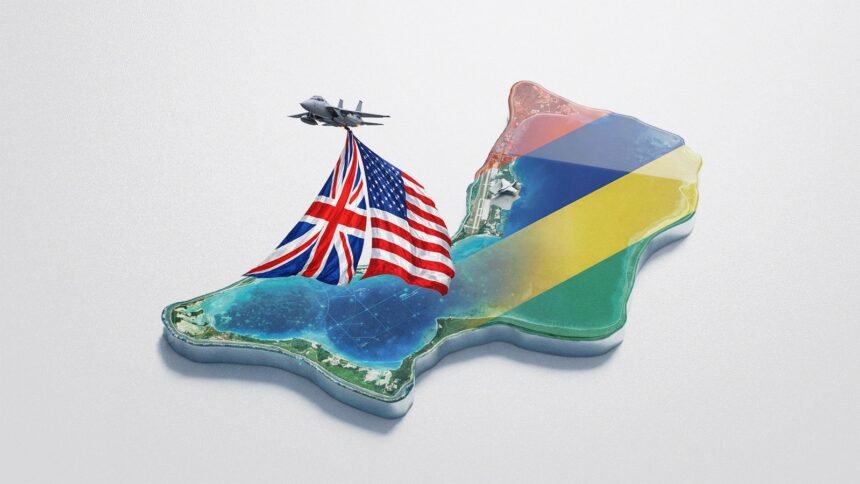
The Chagos Archipelago, nestled in the vast expanse of the Indian Ocean, has long embodied the intricate dance of colonial legacies, geopolitical strategy, and emerging continental aspirations. At its heart lies Diego Garcia, a coral atoll transformed into a formidable military outpost through decades of transatlantic partnership. Recent developments, including the nuanced reversal of initial U.S. leadership criticisms regarding the United Kingdom’s agreement to transfer sovereignty to Mauritius, underscore the enduring relevance of this site to global security dynamics. This article examines the multifaceted role of Diego Garcia, emphasizing its pivotal position in strengthening security frameworks that intersect with Africa’s evolving landscape. Drawing on historical contexts and contemporary alliances, it examines how this remote base serves as a linchpin of cooperative efforts amid shifting power balances, while highlighting implications for Pan-African unity and future stability.
Pan-African Echoes in Oceanic Sovereignty
From the shores of Mauritius to the broader tapestry of African self-determination, the narrative surrounding Diego Garcia resonates with themes of decolonization and the reclamation of agency. Mauritius, an island nation firmly rooted in the African Union, has asserted its historical ties to the Chagos Islands, viewing their detachment by Britain in the mid-20th century as an incomplete chapter in the continent’s liberation story. This perspective aligns with a Pan-African ethos that prioritizes territorial integrity and the rectification of imperial divisions, fostering a collective vision in which African states reclaim oversight of resources and strategic assets in their vicinity.
The 2025 agreement between the UK and Mauritius exemplifies this ethos in practice, granting Mauritius sovereignty while preserving the UK’s operational control over the military facilities for an extended period. Such arrangements reflect a maturing dialogue between former colonial powers and African nations, where security imperatives are balanced against aspirations for equitable partnerships. In this framework, Diego Garcia emerges not merely as a relic of Western dominance but as a potential bridge for inclusive security architectures. African leaders have increasingly advocated for mechanisms that integrate continental priorities, such as maritime domain awareness and the countering of non-traditional threats, including climate-induced displacement, which disproportionately affect island states and coastal regions. By embedding the base within Mauritian sovereignty, the agreement creates avenues for African voices to influence its use, potentially aligning it more closely with Pan-African goals of peacebuilding and economic resilience.
This shift also illuminates broader continental dynamics, in which the Indian Ocean rim—encompassing East African nations such as Tanzania, Kenya, and Somalia—functions as a frontier for resource exploration and trade routes. Pan-African frameworks, inspired by historical figures who championed unity against external encroachments, now extend to oceanic domains, emphasizing collaborative surveillance and response strategies that could leverage assets like Diego Garcia for mutual benefit.
The Strategic Enclave: Diego Garcia’s Enduring Fortress
Diego Garcia stands as a testament to engineered resilience, its horseshoe-shaped lagoon and expansive runways forming an unsinkable platform in the heart of the Indian Ocean. Originally a coconut plantation dotted with modest settlements, the atoll was repurposed in the late 1960s through a bilateral accord that displaced local inhabitants to facilitate a joint military endeavor. Today, it hosts advanced infrastructure: deep-water ports capable of accommodating aircraft carriers, fuel depots that sustain prolonged operations, and airfields that launch stealth bombers and conduct reconnaissance missions.
Its geographic placement, equidistant from critical chokepoints such as the Bab el-Mandeb Strait and the Strait of Malacca, affords unparalleled projection capabilities. For African security, this translates to a vantage point over the Horn of Africa and the western Indian Ocean, regions plagued by piracy, insurgencies, and humanitarian crises. The base has historically supported rapid deployments, including aerial support during regional conflicts and logistical aid for maritime patrols. Its role extends to intelligence gathering, where satellite communications and surveillance systems monitor threats that spill across African borders, from extremist groups in the Sahel to illicit trafficking networks.
In the context of the recent sovereignty transfer, assurances from both U.S. and UK officials emphasize the base’s inviolability, with provisions allowing for military reinforcement if external pressures arise. This underscores Diego Garcia’s evolution from a Cold War outpost to a modern sentinel, adaptable to hybrid threats that blend state rivalries with asymmetric warfare. For Africa, proximity to this enclave means potential spillover benefits, such as enhanced monitoring of shipping lanes vital to the continent’s trade-dependent economies, while raising questions about autonomy in defining security priorities.
Transatlantic Bonds: US-UK Synergies in African Safeguards
The alliance between the United States and the United Kingdom has long anchored Diego Garcia’s operations, forging a cooperative model that extends to African security theaters. This partnership, rooted in shared intelligence networks and joint exercises, positions the base as a hub for coordinated responses to continental challenges. U.S. Africa Command, for instance, benefits from the atoll’s logistical reach, enabling support for counterterrorism initiatives in East Africa and stabilization efforts in fragile states.
Recent diplomatic maneuvers, including high-level discussions that tempered initial reservations about the Mauritius deal, highlight the resilience of this collaboration. Leaders from both nations have affirmed the base’s critical function in deterring adversaries and ensuring regional stability, with endorsements from allied coalitions underscoring its broader geopolitical weight. In African contexts, this manifests in operations combating piracy off Somalia’s coast, where naval assets from Diego Garcia have integrated with multinational task forces to protect vital sea lines that connect African ports to global markets.
Moreover, the transatlantic duo’s involvement fosters capacity-building programs that train African forces in maritime security and disaster response. Yet this cooperation is not without tensions; African stakeholders often seek greater transparency and equitable participation, ensuring that such alliances serve continental interests rather than perpetuate external dependencies. The Mauritius agreement, by incorporating safeguards for the base’s continuity, reinforces this synergy while inviting African participation in oversight, potentially evolving into a model for inclusive security pacts.
Continental Guardians: African Union’s Pursuit of Stability
The African Union emerges as a pivotal actor in harmonizing security efforts across the continent, with its Peace and Security Council advocating for unified responses to threats. In the realm of Diego Garcia, the AU’s support for Mauritius’ sovereignty claim reflects a commitment to decolonization principles, positioning the organization as a mediator between African aspirations and international partnerships. Through initiatives such as Agenda 2063, the AU emphasizes self-reliant security architectures, including the African Standby Force and maritime strategies that address vulnerabilities in the Indian Ocean.
Efforts to counter extremism, such as missions in the Sahel and Horn of Africa, indirectly benefit from assets like Diego Garcia, which provide logistical support for international coalitions. The AU’s push for nuclear-weapon-free zones, enshrined in the Pelindaba Treaty, intersects with the base’s operations, prompting dialogues on compliance and verification. By engaging with US-UK initiatives, the AU fosters hybrid models where continental forces lead ground operations, supported by offshore capabilities.
This guardian role extends to economic security, with the AU promoting blue economy frameworks that safeguard oceanic resources. In this light, Diego Garcia’s integration into Mauritian sovereignty could enhance AU-led patrols, reduce reliance on external powers, and amplify African agency in regional stability.
Vigilant Horizons: Prospects for Enduring Security
Looking ahead, the security landscape surrounding Diego Garcia and its African linkages promises both opportunities and complexities. Climate change, with rising sea levels threatening low-lying atolls, necessitates adaptive strategies that blend military resilience with environmental stewardship. Emerging rivalries in the Indian Ocean, including great-power competitions, underscore the base’s role in deterrence and call for diversified alliances that include African partners.
The Mauritius deal sets a precedent for negotiated transitions, potentially inspiring similar resolutions in other disputed territories. For Africa, this could mean strengthened maritime coalitions, in which Diego Garcia serves as a node within a network of shared surveillance and response. Challenges persist, however, in balancing sovereignty with operational needs, ensuring that security outlooks prioritize equitable development over strategic dominance.
Ultimately, Diego Garcia’s trajectory reflects a broader evolution toward collaborative guardianship, where transatlantic strengths align with Pan-African visions to forge a more secure and interconnected future. As global dynamics shift, this enclave’s legacy may yet transform from a symbol of division to one of unified resolve.


