






Pan-African Prism: East African Easing in Continental Currents
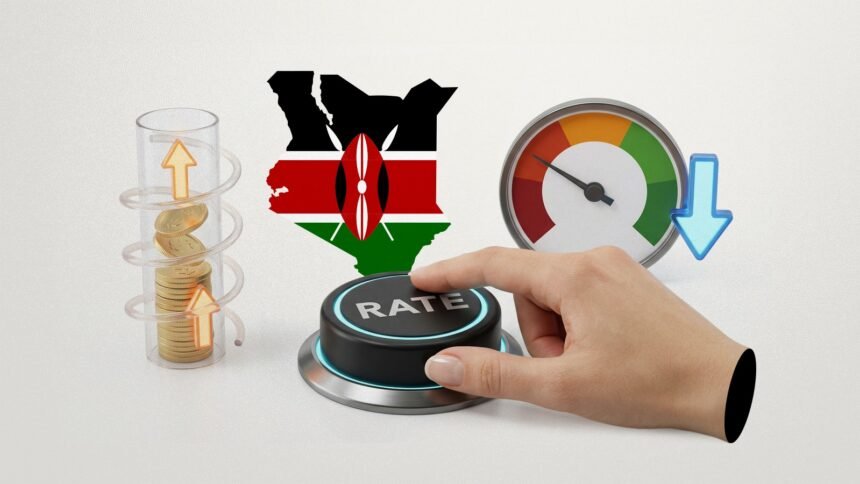
East Africa’s monetary maneuvers, epitomized by Kenya’s persistent rate reductions, reflect a pan-African perspective in which easing cycles counter the deepening shadows of debt amid 4.6% sub-Saharan growth in 2026. Continentally, $90 billion repayment walls divert $89-101 billion from SDGs, yet Kenya’s ninth consecutive cut, to 8.75% in February 2026, aligns with regional rhythms: Ethiopia’s IMF-backed devaluations, Uganda’s concessional borrowings. This prism illuminates contrasts: East’s 5.8% surge outpaces West’s 4.4%, with Kenya’s 5.5% 2026 projection buoyed by agriculture and services. Financial policies weave ubuntu’s threads: CBK’s inflation-targeting (2.5-7.5% band) mirrors AU reforms, harmonizing tariffs via AfCFTA for a $650 billion uplift by 2043. Yet, current turbulence: U.S.-China tariffs dent commodities; BRICS synergies offer ballast. In this prism, Kenya’s lending lull, stimulating 6.4% credit growth, contrasts with Africa’s 40% distressed nations, refracting easing as resilience amid debt’s pervasive pulse.
Kenyan Keystone: Lending Policy’s Pivotal Pivot
Kenya’s lending policy pivots as a keystone in East Africa’s arch, where CBK’s February 2026 cut to 8.75%, the tenth in a row, unlocks private credit amid a lull in inflation at 4.4%. Historically, post-2020 hikes (peaking 13%) tamed 10.6% peaks, yielding to easing since 2024 as prices stabilized below 5% midpoint. Keystone’s mechanics: CBR reductions trim commercial rates to 14.8% (down from 17.2% in 2024), spurring a 6.4% credit expansion in construction, trade, and durables. Governor Kamau Thugge’s framework, which targets stability and exchange resilience by narrowing corridors to ±50 basis points, enhances transmission. Pivot’s pillars: forex liberalization, reserves at four months’ cover, countering drought-food spikes. Yet, keystone quakes: high NPLs (elevated post-pandemic), youth exclusion (18-25 low product uptake). In this pivot, lending’s lull fosters consumption and investment, aligning with Vision 2030’s inclusive architecture.
Kenya’s Economic Outlook: Growth’s Guarded Gait
Kenya’s economic outlook is advancing with a guarded pace, projecting a 5.5% 2026 GDP, up from 5% in 2025, amid the easing of policy constraints and agriculture’s rebound, yet shadowed by the drag of debt. GDP at $140.87 billion leads the EAC; per capita GDP is $2,600, stagnant amid a 54 million population. Outlook’s gait: IMF-World Bank converge at 4.9% average 2026-2027, driven by services (tourism-remittances), industry recovery, 52% AfCFTA trade surge by 2032. Inflation’s 5.2% guard: below 7.5% cap, enabling CBR cuts, boosting 6.4% credit. Sectors step: agriculture 22% GDP, finance resilient, and manufacturing 8%. Guarded by headwinds: climate hazards spiking food insecurity (120 million regional), U.S. tariffs curbing exports. Future strides: 5.6% in 2027; AI uplifts, yet 43.8% poverty (2025) demands inclusive growth, transforming the outlook from guarded to gallant.
Fiscal Fissures: Debt Issues vs. Financial Policies’ Duel
Debt issues intersect with fiscal policy in Kenya’s fiscal fissures, where 70% of GDP in liabilities, high distress risk, clashes with easing credit conditions, demanding a debt balance. Debt’s fissures: $80 billion stock, 3.7% GDP service (2026), Eurobond maturities $5 billion, diverting 20% revenues from SDGs. Vs. policies’ thrust: CBK’s 8.75% CBR fosters lending, countering 9.8% yields (triple G7), while yuan swaps save $215 million annually. Duel’s dynamics: IMF $3.4 billion facility ties reforms, tax hikes, deficit curbs (5.3% in 2026), yet social unrest (2024 protests) hampers implementation. Financial policies prevail: the inclusion strategy (2025-2028) deepens access (84.8% formal), health (18.3%), whereas debt traps over-indebtedness. In fissures’ fray, policies’ agility, revenue mobilization, green finance, mends duel, sealing sustainable seams.
Prosperity Pathways: Development’s Dynamic Dawn
Development’s dynamic dawn in Kenya: pathways from debt’s dawn to prosperity’s peak, where lending’s lull unlocks inclusive strides amid a 4.9% average for 2026-2027. Pathways pivot: Vision 2030’s MTP IV deepens access (rural women and youth), literacy, and counters the 81.4%-86.8% gender gap in inclusion. Dynamic drivers: credit growth spurs SMEs, agriculture (productivity up 41%), and health (skilled births up 75%). Dawn’s dual: poverty declined to 43.8% (2025), yet climate shocks demand resilience, $50 billion in green infrastructure. Policies propel: easing boosts consumption; AfCFTA integration lifts exports. Future pathways: 5.6% 2027, AI 6% uplift (2035), eroding Gini disparities. In this dawn, development’s pathways, ubuntu-infused, reform-driven, harvest prosperity, illuminating Kenya’s equitable expanse.


