



Pan African Vigilance: Continental Echoes of Fragile Transitions
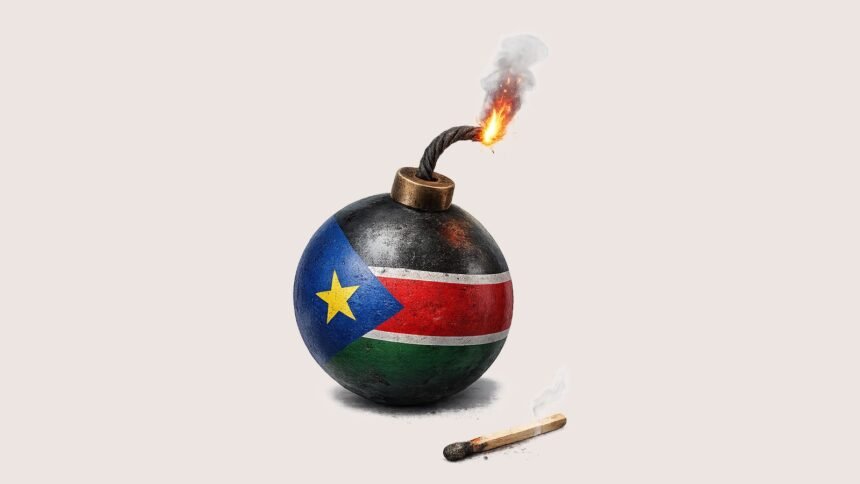
South Sudan’s mounting violence, as repeatedly flagged by United Nations human rights monitors, serves as a stark Pan-African cautionary tale. Across the continent, nations emerging from conflict, whether through fragile accords or electoral rituals, face similar risks when military discipline erodes, and political rivalries escalate. The UN High Commissioner for Human Rights has described the situation as reaching a “dangerous point,” where a 45% surge in documented civilian killings in January alone threatens to unravel the 2018 Revitalized Peace Agreement. This pattern resonates from the Sahel’s junta-led instabilities to East Africa’s post-poll unrest, underscoring how unchecked factionalism can drag entire regions into cycles of displacement and famine, demanding collective continental resolve.
South Sudan Precipice: Surge in Killings and Humanitarian Collapse
In South Sudan, the world’s youngest nation, the trajectory toward full-scale civil war is accelerating through documented surges in atrocities. UN reports detail at least 189 civilian deaths in January, with military and opposition forces alike demonstrating near-total disregard for civilian protection. Jonglei state has emerged as a flashpoint, where SSPDF elements allegedly opened fire on unarmed gatherings, killing at least 21, including children, in a single incident. Airstrikes, such as the one that devastated an MSF hospital serving over 200,000 people, have destroyed medical supplies and forced evacuations. These acts, amid Sudan’s spillover refugee crisis and oil pipeline disruptions, compound acute food insecurity affecting millions and project severe malnutrition for hundreds of thousands of children in 2026, pushing the nation toward the brink of renewed nationwide conflict.
SPLM IG vs. IO: Factional Rivalries Igniting Ethnic Fault Lines
The core rift between the Sudan People’s Liberation Movement-In Government under President Salva Kiir and the In Opposition led by Riek Machar continues to fuel escalation. Kiir’s suspension and the treason trial of Machar, alongside the arrests of allied figures, including his wife, Angelina Teny, have shattered power-sharing mechanisms. Opposition forces have advanced in Jonglei and Upper Nile, prompting government counteroffensives that include indiscriminate strikes. UN observers note collapsed military discipline on both sides, with allied militias attacking residential areas across multiple states. This ethnic-tinged confrontation, echoing the 2013-2018 war that claimed nearly 400,000 lives, threatens to reignite widespread hostilities, as unresolved grievances over territory and resources transform localized clashes into existential threats.
White Army vs. SSDF: Militia Dynamics Amplifying Atrocities
The involvement of community-based militias, notably the Nuer-dominated White Army supporting opposition elements, versus government-aligned South Sudan Defence Forces units, has intensified the brutality. These irregular forces, often operating with impunity, have been implicated in village raids, looting, and civilian massacres that UN reports link to deliberate targeting. In Jonglei, where government forces ordered evacuations ahead of operations, such militias exploit ethnic loyalties to sustain offensives, downing aircraft and seizing territory. The resulting cycle of reprisals, documented in UN human rights briefings, erodes any remaining civilian safeguards, raising fears of atrocities on the scale of past conflicts and complicating efforts to isolate political leadership from grassroots violence.
UN vs. AU Peace Initiatives: Diplomatic Strains in Crisis Response
United Nations and African Union peace initiatives face severe strain as violence surges. UN High Commissioner Volker Türk has issued urgent calls for immediate de-escalation, civilian protection, and inclusive dialogue, highlighting the fragility of the 2018 accord. Western powers, including the US, EU, and UK, have condemned specific massacres in Jonglei as deliberate, while the AU pushes for high-level mediation. Yet, government denials of intentional civilian targeting, attributing deaths to crossfire, undermine these efforts. The resulting diplomatic impasse, with Machar’s prolonged house arrest and election panel scandals, exposes gaps in enforcement, where appeals for restraint clash against on-ground realities of collapsed discipline.
Political Unrest & Elections: Delayed Democracy Amid Chaos
Political unrest has rendered the December 2026 elections increasingly illusory. The bizarre appointment of a deceased opposition figure to the election panel, later corrected amid sackings, exemplifies administrative disarray and erodes public trust. Opposition boycotts loom as fighting displaces hundreds of thousands, while Kiir’s unilateral amendments to the peace deal and frequent purges weaken institutions needed for credible polls. UN warnings link this unrest directly to broader instability, where delayed voting risks transforming political grievances into renewed armed struggle, perpetuating a cycle that stifles democratic aspirations.
Regional Fragile Status: Spillover Risks and Continental Stakes
South Sudan’s regional fragile status amplifies continental risks, as Sudan’s civil war disrupts oil exports and drives refugee flows across borders. Jonglei’s proximity to Ethiopia heightens spillover potential, while militia cross-border movements threaten the stability of neighboring countries. The UN’s assessment of a “dangerous point” urges Pan-African solidarity, through strengthened AU-UN coordination, to prevent a full-scale civil war that could destabilize the Horn and Sahel. Without decisive intervention, South Sudan’s chaos risks becoming a regional contagion, underscoring the urgent need for unified action to safeguard fragile transitions across Africa.