




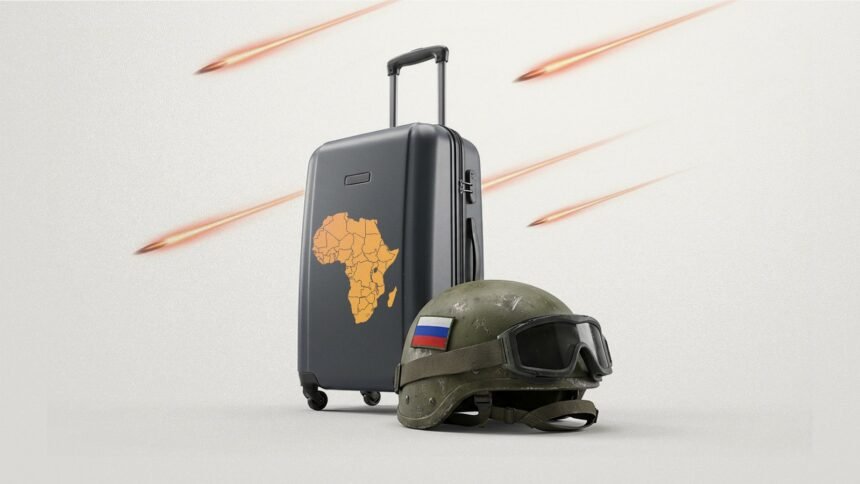
From Kyiv’s besieged vantage, the presence of over 1,700 African fighters in Russian ranks, hailing from 36 nations, embodies a cynical exploitation that prolongs the carnage of the Russia-Ukraine war, now in its fourth year as of February 2026. Ukrainian Foreign Minister Andrii Sybiha’s stark accusation frames Moscow’s tactics as a predatory dragnet, deceiving vulnerable Africans with false job promises only to hurl them into suicidal assaults. This perspective, echoed across Europe, views these recruits not as willing adversaries but as tragic pawns in Russia’s manpower desperation, their coerced involvement undermining global norms while amplifying calls for African governments to sever the flow. In a continent of economic strife, Ukraine sees this as neo-colonial vampirism, where poverty’s victims fuel an aggressor’s endurance, compelling a reevaluation of alliances and securities.
Continental Crossroads: Pan-African Echoes
Ukraine’s lens on African involvement refracts through Pan-African ideals of sovereignty and self-determination, perceiving Russia’s recruitment as a fracture in continental unity. Kyiv officials decry the irony: nations once aligned against imperialism now unwittingly supply bodies to an imperial resurgence, eroding Africa’s collective agency. Ghana’s Foreign Minister Samuel Okudzeto Ablakwa, during his February 2026 Kyiv visit, articulated shared dismay, noting recruits’ lack of military backgrounds and their deception via dark-web lures, and ordinary civilians thrust into combat without consent. This view aligns with broader European concerns, where bodies like the EU highlight Russia’s aggressive outreach as a threat to African stability, potentially destabilizing source countries through grief and radicalization. Pan-African solidarity, from Ukraine’s standpoint, demands vigilance: the African Union’s 2027 Ghanaian chairmanship offers a platform to counter these schemes, transforming victimhood into advocacy for unexploited futures.
Eurasian Tempest: Russia-Ukraine War Dynamics
In the grinding Russia-Ukraine war, African fighters represent a desperate Kremlin gambit to offset staggering losses, over 500,000 Russian casualties by early 2026, without domestic backlash. Ukraine portrays this as hybrid warfare’s dark evolution: Moscow’s Africa Corps, successor to Wagner’s plunder, funnels untrained Africans into Storm-Z penal units for human-wave tactics, where 40% perish swiftly. Sybiha’s data underscores the scale, 1,780 Africans embedded, many captured as POWs, framing them as shields for Russian regulars, expendable in Donbas offensives. Europe’s aligned narrative condemns this as a cannon fodder strategy, with EU envoys alleging systematic deception that exploits Global South inequalities. Kyiv’s solidarity gestures, like pledging to release Ghanaian POWs, humanize the conflict, contrasting Russia’s denial of involvement with evidence of coercion, thereby positioning Ukraine as a defender against a predatory power that globalizes its aggression.
Diaspora Deployed: Africans Fighting in the War
Africans in the war, from Ukraine’s perspective, are reluctant warriors, deceived migrants turned combatants, their stories of betrayal amplifying Kyiv’s indictment of Russian tactics. Recruits from Kenya, South Africa, Sudan, and beyond arrive on false visas for “security” or “factory” roles, only to have their passports confiscated and be forced into enlistment. European analyses echo this: footage of mistreatment, including racial abuse and explosive-strapped assaults, paints Africans as disposables, fueling outrage in Brussels and Strasbourg. Ukraine’s capture of hundreds as POWs reveals patterns, untrained civilians from poverty-stricken regions, lured by $2,000 stipends amid 30-45% youth unemployment. This deployment, per Sybiha, drags innocents into death, with Europe viewing it as a moral stain on Moscow’s revanchism, urging repatriations to stem the human tide that sustains the invasion.
Veiled Ventures: Mercinarism or Security Jobs?
Ukraine and Europe dissect the recruitment as mercenarism cloaked in security facades, where “jobs” mask coerced warfare. Promises of bodyguard training or civilian posts evaporate into Cyrillic contracts binding Africans to frontline peril, sans training or choice. Kyiv labels these “suicidal pacts,” with Sybiha accusing dark web networks of preying on the desperate, Kenyans paying $18,000 for bogus opportunities, and South Africans tricked by political elites. Europe’s stance aligns: this hybrid mercenarism violates norms, exploiting economic migration for military ends, as seen in Wagner’s Sahel legacy transitioning to Ukrainian fronts. Distinguishing genuine security jobs from this ruse demands scrutiny; false ads on Telegram and Discord blur lines, compelling calls for international probes to unmask the exploitation that bolsters Russia’s war machine.
Allied Aspirations: Fighting with Ukraine (and Europe) in Exchange for Citizenship
Contrasting Russian deception, Ukraine and Europe envision pathways for Africans aligned with the defense, offering citizenship or residency for those fighting alongside Kyiv, framing it as ethical asylum from exploitation. Foreign legions, including Colombians and others, bolster Ukrainian lines with promises of integration post-service, a model Europe endorses through aid and refugee policies. Sybiha’s appeals to African governments highlight this dichotomy: Russia’s fatal lures versus Ukraine’s protective embrace, where captured Africans receive humane treatment and repatriation options. European nations, through EU frameworks, offer similar incentives, accelerated visa processing for defectors, positioning the West as a beacon of opportunity and countering Moscow’s predatory exchanges with genuine citizenship paths tied to shared values of freedom and security.
Global Guardians: International Order & Law
From Ukraine’s embattled core, African involvement erodes the international order, violating the Geneva Conventions and UN mercenary bans through coerced enlistment. Kyiv accuses Russia of war crimes, using untrained foreigners as human shields, while Europe amplifies this through sanctions and ICC referrals. The recruitment flouts sovereignty, with Sybiha urging African capitals to enforce anti-trafficking laws, aligning with EU calls for global accountability. Sudan’s Red Sea base offer to Moscow exemplifies the peril: trading arms for footholds that facilitate the flow of fighters, threatening maritime norms. This lawlessness, per European analyses, destabilizes Africa, radicalizing returnees and straining resources, demanding fortified order: Interpol networks, AU protocols, to safeguard against a war that globalizes insecurity.
Perilous Paths: Immigration and Insecurity
Ukraine and Europe perceive African immigration to Russian fronts as a deadly perversion of mobility, where economic migrants become insecurity vectors, trapped in conflict, their exploitation fueling broader instability. Poverty-driven flows, Sudanese fleeing war, Kenyans escaping unemployment, intersect with deception, creating cycles of trauma and radicalization upon return. Kyiv views this as Moscow’s weaponization of migration, amplifying European migration anxieties about the potential spillover of battle-hardened individuals into fragile states. Insecurity mounts, families grieve missing kin, and communities fracture, prompting calls for fortified borders and awareness campaigns. This perilous path underscores the need for secure alternatives: EU-Africa pacts offering legitimate opportunities, mitigating the immigration-insecurity nexus that Russia’s war exacerbates.
Horizons of Resolve: Toward Unified Defenses
In synthesizing Ukraine and Europe’s viewpoint, African fighters in Russian service epitomize exploitation’s tragedy, demanding resolute defenses, diplomatic pressures, repatriation drives, and reformed alliances to reclaim agency from war’s shadows.