

Partners in the AU Mission, Suspects in Mogadishu’s Telling
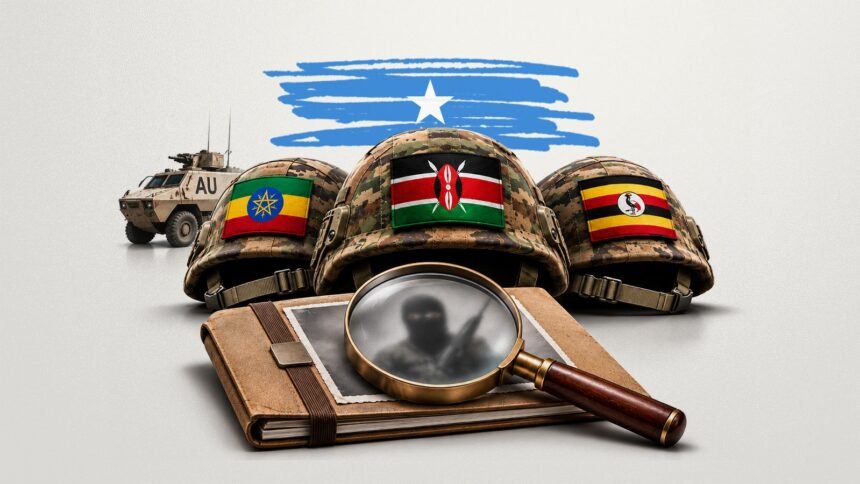
The three countries that have sent soldiers to help Somalia fight Al-Shabaab now stand accused, by one of Somalia’s most senior officials, of helping Al-Shabaab. On 24 November, parliamentary speaker Abdulkadir Mohamed Nur, also known as Jaamac, accused Kenya, Ethiopia and Uganda of colluding with the militant group. He went further, alleging that Israel had brought the three countries, Al-Shabaab and forces loyal to former South West State leader Abdiaziz Hassan Mohamed Laftagareen together in a coordinated front against the federal government.
Nur offered no public evidence for the claims, which remain unsubstantiated, though Somali local media widely reported them. The accusation still matters, because it comes from the head of Somalia’s parliament at a moment when the African Union mission that Kenya, Ethiopia and Uganda support is short of money and changing shape, and when Mogadishu’s quarrels with foreign partners are multiplying. In the Horn of Africa, where neighbors are at once security partners and political rivals, such words can strain the cooperation that the fight against Al-Shabaab depends on.
A Speech About Self-Reliance
Nur spoke while closing a conference on Somalia’s productive resources organized by the Magan Forum in Mogadishu. He warned that unnamed foreign powers were seeking to recolonize Somalia and urged Somalis to defend their country. He also accused Al-Shabaab, Israel and the United Arab Emirates of activities that threaten Somalia’s independence.
Much of his speech was economic. He called for greater self-reliance, urging stronger domestic production in agriculture, livestock, fisheries, manufacturing and minerals, and less dependence on imports. He argued that better security and the defeat of Al-Shabaab were essential to attract investment and drive development.
Accusations With a History
The remarks build on earlier charges by Nur against Somalia’s neighbors and against the African Union Support and Stabilization Mission in Somalia (AUSSOM). In October, as fighting escalated in South West State, he asked why Al-Shabaab kept operating in areas where Ethiopian troops serving under the AU mission were deployed. He also accused Kenya of harboring people Mogadishu associates with militant activity, referring specifically to Laftagareen, who has been based in Nairobi since federal forces ousted him from Baidoa earlier this year. Nur urged the federal government to demand explanations from Nairobi and to hold Ethiopian forces accountable. Kenyan officials said at the time that they had received no formal diplomatic complaint from Mogadishu.
The Fight for South West State
The backdrop is a political and military crisis in South West State. Federal forces seized Baidoa in March, removed Laftagareen and installed Aden Mohamed Nur, known as Madobe. Forces aligned with Laftagareen kept an armed presence, launched attacks, and in October captured several towns in the Bay region, including Buurhakaba, Qansahdhere and Berdaale. The fighting has complicated federal operations against Al-Shabaab and added to displacement.
In October, the federal government imposed financial sanctions on Laftagareen and nine others over alleged links to Al-Shabaab financing. The committee responsible said its decision rested on information and evidence it had assessed, but it did not publish the evidence against each individual. That means the federal case linking Laftagareen’s camp to the militants, like the speaker’s broader accusation, has not been tested in public.
An AU Mission Under Strain
Kenya, Ethiopia and Uganda all contribute troops to AUSSOM, which replaced the African Union Transition Mission in Somalia (ATMIS) in January 2025 to support Somali forces against Al-Shabaab, secure key areas and gradually hand security responsibilities to Somali forces. Its mandate runs to 31 December 2026, amid persistent funding shortfalls and shifting deployments. Uganda, AUSSOM’s largest troop contributor, began withdrawing its bilateral contingent in late October, and the mission took over several bases in Lower Shabelle in November to avoid security gaps Al-Shabaab could exploit.
Quarrels on Several Fronts
Nur’s comments also come as relations with the UAE deteriorate. Somalia annulled its agreements with the UAE in January, citing sovereignty concerns. In November, President Hassan Sheik Mohamud accused Abu Dhabi of interfering in Somalia’s internal affairs, backing political divisions and armed groups outside federal control, and pursuing unauthorized port arrangements. On 19 November, the Council of Ministers ordered the UAE ambassador to leave within 72 hours and recalled Somalia’s envoy, a decision the UAE called escalatory and hostile. Nur, a former defense minister who signed Somalia’s 2024 defense and economic cooperation agreement with Türkiye, which provides for Turkish help in building Somalia’s navy and protecting its waters, later served as minister of ports and maritime transport. Some observers criticize his close ties with Ankara; supporters say the partnership strengthens Somalia’s independence.
Self-Rule Without Losing Allies
Somalia’s leaders are right that decisions about its security and resources should be made in Mogadishu. But a federal state that depends on African troops while it builds its own army cannot easily afford to treat those troop contributors as adversaries without evidence. If the speaker has proof, presenting it through formal channels would serve Somalia’s interests better than conference speeches. If he does not, the accusations risk weakening the very partnerships that buy Somali forces time to take over their own defense.