





Why BRIDGE Summit Matters for African Climate Journalism
As African countries accelerate green transitions and compete for climate finance, visibility in global media arenas has become a strategic necessity rather than a symbolic choice. Participation in the inaugural 2025 in Abu Dhabi demonstrated how African climate journalism can leverage emerging media ecosystems to showcase African solutions, shape narratives around green investment, and secure partnerships that expand the reach of African sustainability stories.
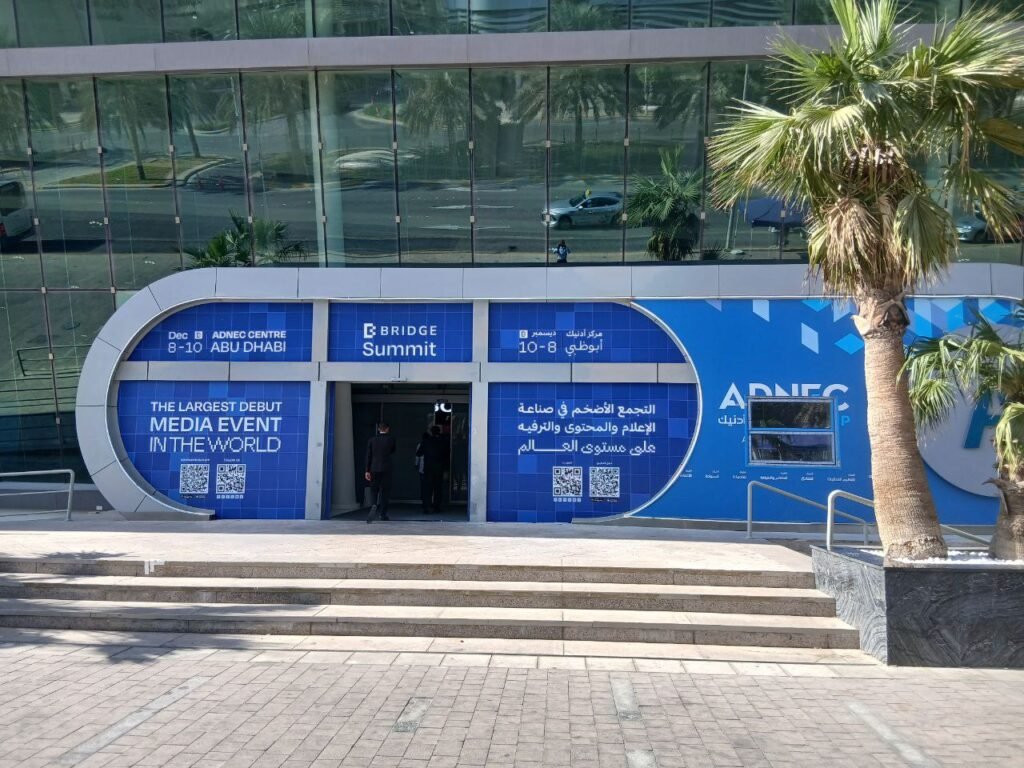
This article asks: How can African media outlets leverage global platforms such as the BRIDGE Summit to advance climate journalism and secure strategic partnerships that turn African climate realities into influential, investable narratives for international audiences? The analysis draws on direct in‑person participation at BRIDGE Summit 2025, attendance at multiple sessions on media and technology, and documented meetings with five organizations, supported by a review of their sustainability and ESG approaches.
African Climate Media Gap and the BRIDGE Opportunity
Across Africa, communities face frontline climate impacts—from accelerating desertification in the Sahel to coastal erosion in West Africa—while also pioneering landscape restoration, clean‑energy deployment, and just-transition experiments. Yet African climate stories remain under‑represented in global media relative to the continent’s vulnerability and innovation, and they are often framed through crises rather than solutions. Africalix was established as a Pan‑African sustainability platform to help close this gap, focusing on climate, ESG, and green development reporting from African perspectives.
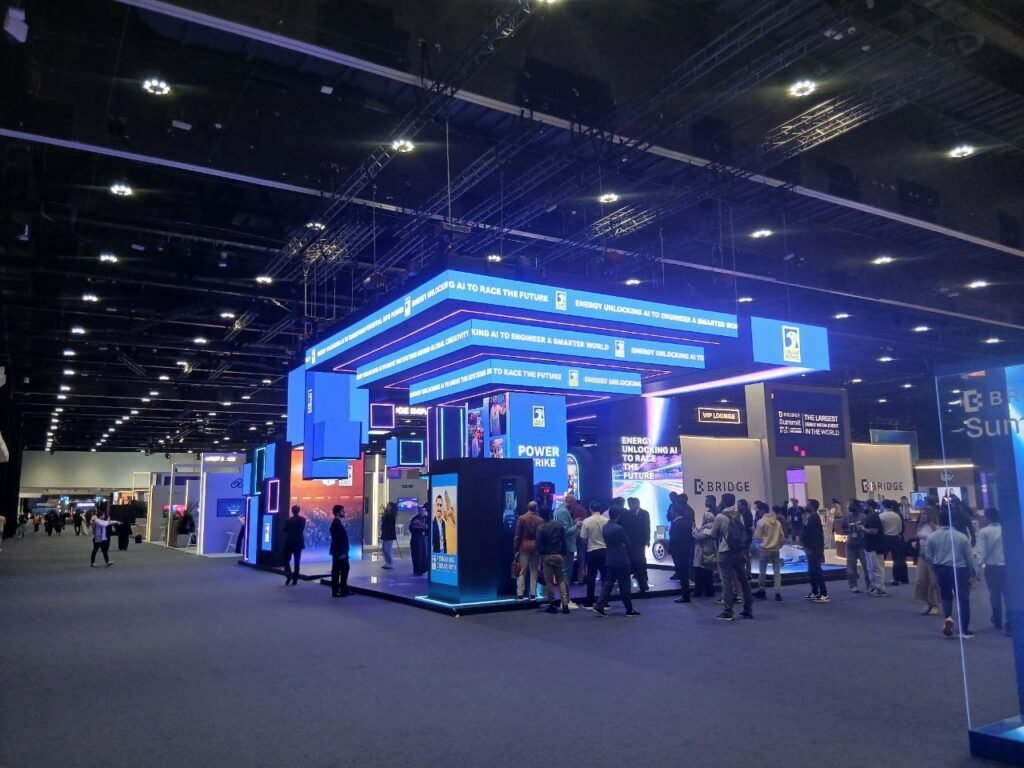
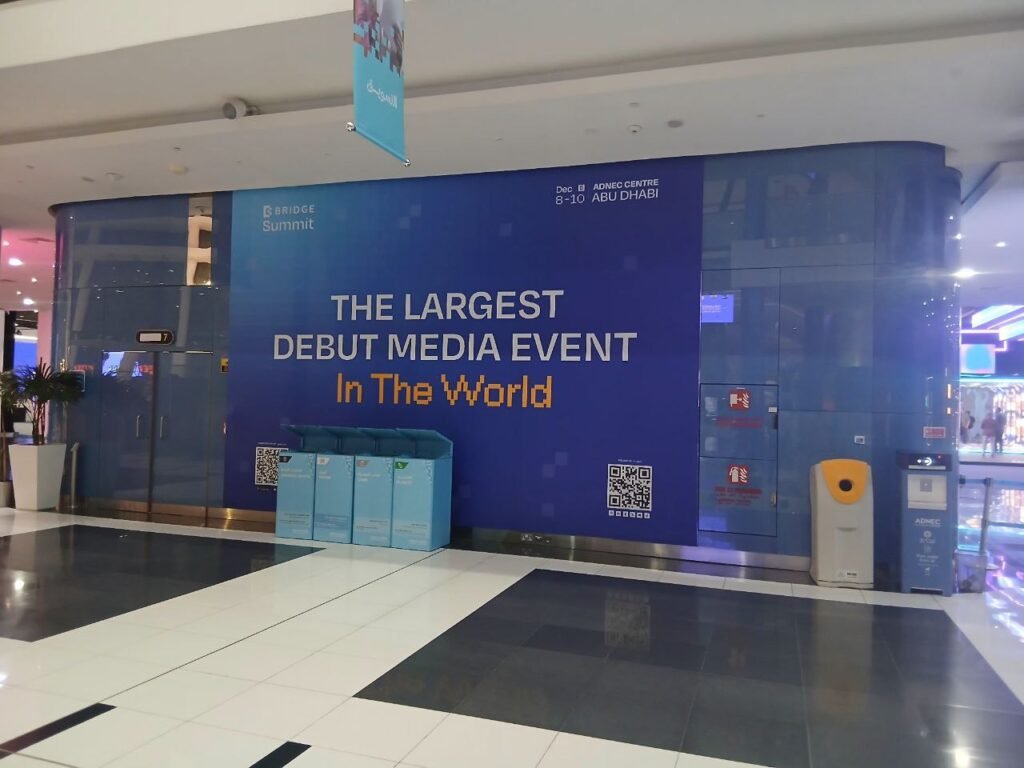
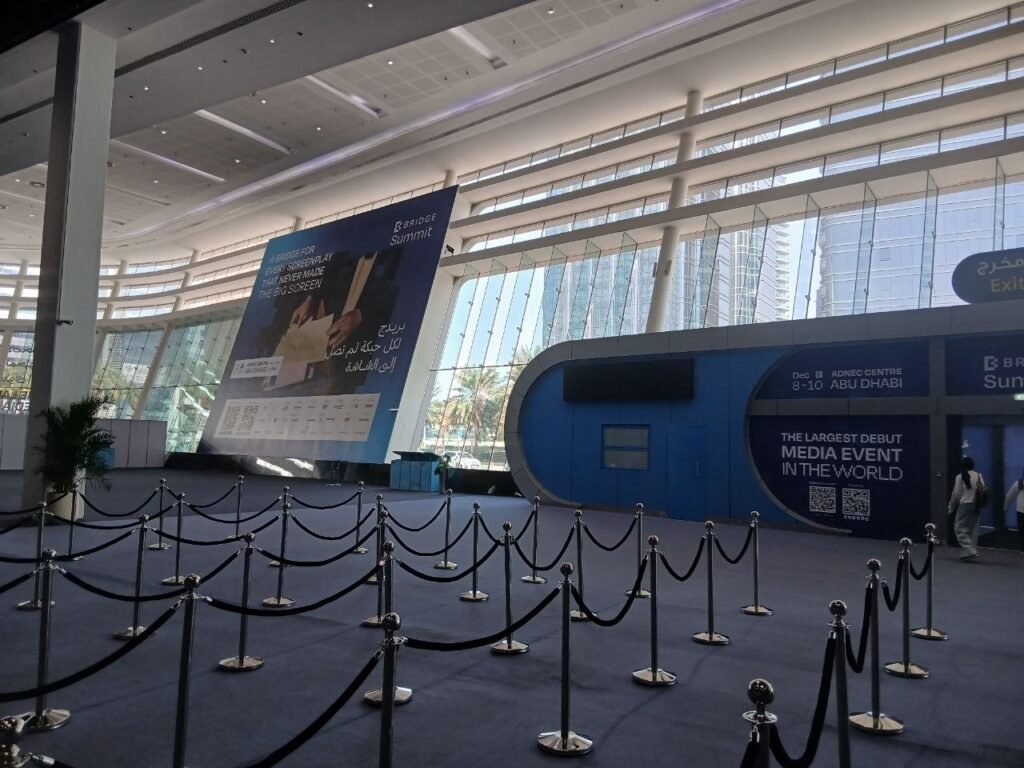
BRIDGE Summit 2025, launched by the UAE National Media Office as a flagship media, content, and entertainment event, positioned Abu Dhabi as a new global hub for the future of media and content. Hosted from 8–10 December 2025 at the Abu Dhabi National Exhibition Centre (ADNEC), the summit gathered more than 60,000 participants, over 400 speakers, and around 300 exhibitors across tracks in media, creator economy, music, gaming, technology, marketing, and visual storytelling, with more than 300 activities.
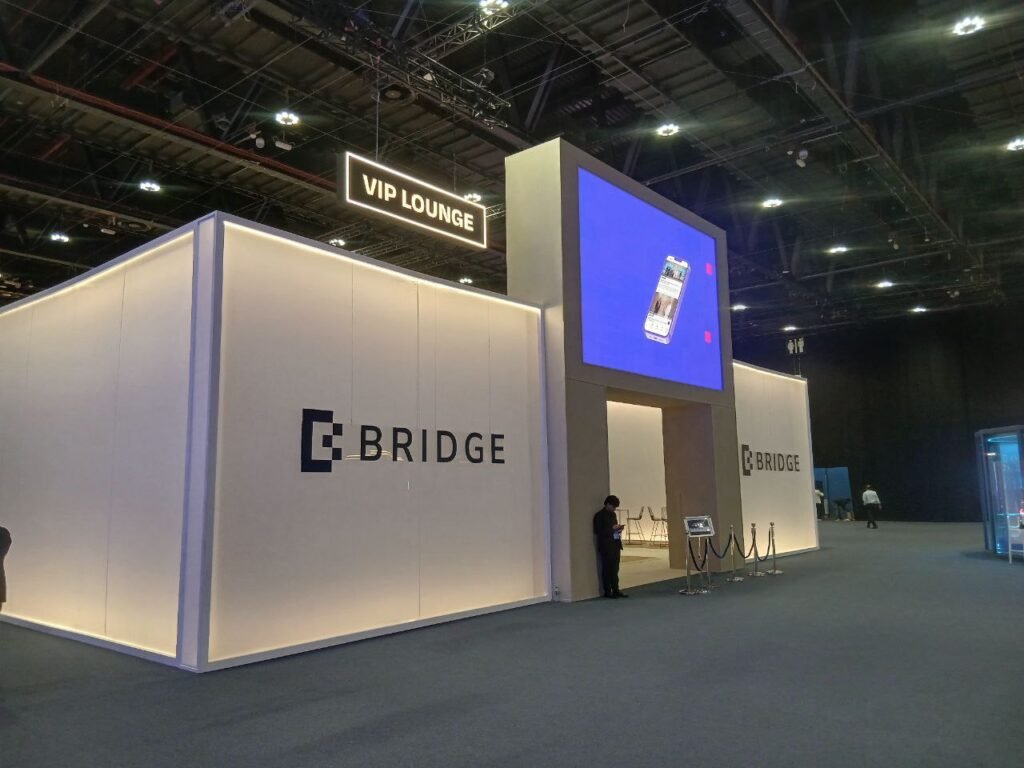
For African actors, BRIDGE functioned as a global media marketplace where stories compete for attention, distribution, and investment. The key test was whether African climate journalism could enter this marketplace as a strategic provider of climate and ESG narratives, rather than a peripheral voice, and use that position to attract partners, technology, and audiences that African outlets rarely reach from within domestic markets.
Digital Infrastructure and African Content Reach
Augustus Media: Visibility for African Eco‑Stories
Augustus Media is a digital media company based in the Middle East that creates and distributes content through brands such as Lovin’ and Smashi, combining local news, lifestyle, business, sports, and culture coverage across multiple platforms. Built as a “modern media” network, it operates studios and content units that produce video, social, and live formats designed for high‑engagement digital audiences in the Gulf and broader MENA region.
For African climate journalism, collaboration with a company like Augustus Media offers a pathway to expand the visibility of African eco‑businesses, climate innovators, and community projects beyond domestic and regional media ecosystems.
Co‑developed features, short-video series, or social‑first formats could spotlight African clean‑energy entrepreneurs, restoration initiatives, and youth‑led climate projects for audiences in cities such as Dubai, Riyadh, and Doha, where interest in sustainability and impact investing is growing.
Such partnerships can also address structural distribution barriers by enabling syndication or cross‑posting of African climate content on Augustus Media’s established channels, which already attract substantial impressions across the region. From an African perspective, the next priority steps would include defining a slate of editorial themes focused on green transitions, agreeing on safeguards that keep African voices and contexts central in any co‑produced work, and piloting a small number of joint productions whose reach and impact can be evaluated before scaling.
MarsSys: Technology for Climate‑Aware Media
Newsrooms Mars Digital Systems LLC (MarsSys) is an IT solutions company based in the UAE that positions itself as a bridge between business needs and technology, providing end‑user devices, infrastructure, software, and managed support services for education and enterprise clients.
Its offerings include servers, networking, Wi‑Fi, collaboration tools, discounted software licences, and AI‑enabled classroom and workplace solutions, with an explicit focus on efficiency, cost optimization, and eco‑friendly practices such as responsible device recycling and buyback programs.
For African media organizations, similar systems could help address structural constraints that often limit climate and ESG reporting. More efficient, climate‑aware digital infrastructure—spanning hardware, connectivity, and cloud‑ready back‑ends—can lower hosting and bandwidth costs, improve resilience in contexts with power-reliability challenges, and provide more robust environments for storing and producing multimedia climate content across the continent.
In addition, data‑driven tools and MarTech‑style solutions can enable targeted campaigns that connect sustainability‑oriented African brands, cooperatives, and social enterprises with their audiences, creating potential revenue streams that help sustain independent climate journalism.
A practical next step from an African perspective would be to design small pilot projects with selected outlets across different regions, where MarsSys‑type solutions are tested specifically to support climate and ESG storytelling workflows—such as managing climate datasets, archiving ESG documents, and distributing video or interactive features at scale.
Lessons from these pilots could then be documented and shared across African media networks as a blueprint for integrating smarter, greener IT infrastructure into climate reporting strategies.
TECOM Group: ESG Frameworks and Lessons for African Media Hubs
A key institutional discussion took place with Dubai Media City, part of TECOM Group, which has embedded an Environmental, Social, and Governance (ESG) framework at the core of its operating model. The UN Sustainable Development Goals guide the approach, as do the 2030 Agenda for Sustainable Development, the UAE Net Zero 2050 initiative, and the Dubai Clean Energy Strategy, with dedicated efforts to enable a low‑carbon future across its business districts.
TECOM’s sustainability actions include portfolio‑wide energy‑efficiency measures, solar power, and retrofit projects to optimize electricity and water consumption, and environmental management systems aligned with international standards such as ISO 14001. It also includes a set of LEED-certified buildings, which contributed to recognition in the Dubai Supreme Council of Energy’s Demand Side Management Recognition Program.
For emerging African media zones—from innovation districts in Kigali to media clusters in Lagos, Nairobi, and Accra—this model offers several practical lessons. Integrating ESG principles into media‑infrastructure planning from the outset can help lower long‑term operating costs, reduce exposure to energy‑price volatility, and make these hubs more attractive to international tenants and partners looking for sustainable bases for content production.
Adapting green‑building and efficiency standards to African regulatory and financial contexts can also position these hubs as regional leaders in sustainable media and creative industries, particularly when combined with renewable‑energy deployment and water‑saving measures that reflect local climate realities.
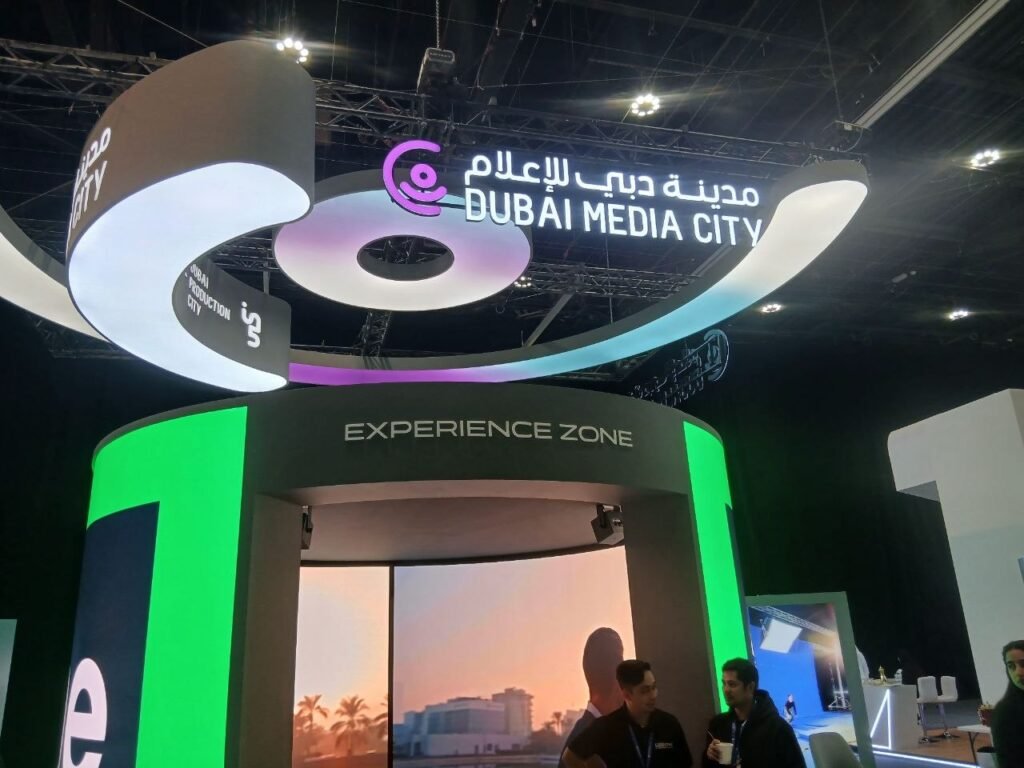
For African climate journalism more broadly, documenting such frameworks in both the Gulf and African regions can support comparative reporting and policy‑relevant analysis that links media infrastructure to climate and energy goals. Coverage that highlights examples such as solar‑powered studios, green campuses, and locally developed performance standards in African cities—alongside reference points from TECOM‑style clusters—can help policymakers, investors, and media practitioners understand how sustainable media ecosystems can be built and scaled across the continent.
Google for Education: Building Digital and Climate Skills in Africa
A Google for Education representative explained that the company runs dedicated initiatives across Africa focused on education and capacity‑building, helping schools and institutions access cloud‑based tools such as Classroom and Workspace while increasingly integrating sustainability and future‑oriented digital skills into their programs. These efforts complement broader Grow with Google and Google.org investments in African digital skills and AI training, which aim to equip young people, teachers, and local organizations with capabilities needed for long‑term, sustainable development.
For African climate journalism, this intersection of digital education and sustainability opens several concrete pathways. Joint training programs on digital storytelling, data journalism, and climate reporting could use Google tools and existing African editorial expertise to support youth and early‑career journalists in producing rigorous, solutions‑oriented climate coverage. Coverage collaborations could spotlight African schools, universities, and community initiatives where climate action and digital innovation intersect—from solar‑powered campuses to coding clubs building climate‑focused applications—providing rich story material for regional and global audiences. Co‑developed toolkits, webinars, and short online courses tailored to African media practitioners would further strengthen climate and ESG reporting skills, especially in newsrooms that lack formal training resources.
A practical follow‑up would be to design a pilot “Africa Climate Journalism and Digital Skills Lab” anchored in one or two countries, combining Google for Education tools, local training partners, and newsroom mentorship. The lab could test blended models—online modules plus in‑person reporting projects—and, if successful, expand to additional countries, providing a scalable approach to building climate journalism capacity in Africa in the digital era.
Future Platforms: Sustainability Week and Ongoing Representation
BRIDGE Summit 2025 was organized under the leadership of the UAE National Media Office, with Richard Attias & Associates playing a key advisory and strategic role in the BRIDGE initiative, and Summit was involved in co‑concept and curation, framing BRIDGE as a global platform for media, content, and cross‑cultural dialogue in which sustainability is a central pillar. During the summit, the organizers invited a leading pan‑African media and content platform to participate in an upcoming Sustainability Week, underscoring that sustainability will remain at the core of their programming and that future events will place even greater emphasis on climate, ESG, and sustainable development content.
For African climate journalism, this invitation offers an opportunity to establish a recurring presence for African climate voices in Abu Dhabi’s evolving media ecosystem, ensuring that African experts and case studies are featured in panels, showcases, and curated content.
It also creates an opportunity to consolidate relationships initiated at BRIDGE—such as with Augustus Media, TECOM Group, MarsSys, and Google—into more formal collaboration frameworks focused on African green transitions.
Broader Implications for African Media
Global Positioning of African Climate Journalism
BRIDGE Summit 2025 illustrated why African media must engage proactively with platforms where global media, technology, and investment agendas are being shaped. As climate and ESG concerns increasingly influence the decisions of investors, policymakers, and consumers, outlets that deliver credible, contextual climate reporting wield outsized influence over how attention and capital are allocated.
For Africa, this has both economic and narrative implications. Greater visibility for African green projects and adaptation efforts can help unlock climate finance and impact investment. At the same time, solution‑oriented coverage can counter long‑standing deficit‑focused portrayals by foregrounding innovation, resilience, and leadership.
Practical Lessons for African Media Practitioners
Several operational lessons from this visit are directly applicable to other African outlets. In‑person representation enables deeper engagement, from participation in high‑level sessions to strategic corridor conversations and dedicated meetings that rarely happen in virtual formats.
A clear editorial value proposition—such as African climate and ESG storytelling—helps potential partners quickly grasp what African media offer and where collaboration can be most effective. Systematic documentation of meetings, including contacts, themes, and potential follow‑ups, is essential for turning summit encounters into tangible projects. At the same time, funding and logistical constraints remain significant barriers for many African newsrooms; consortium approaches, shared delegations, travel support, or hybrid participation models can help ensure that BRIDGE‑type forums are accessible to a broader range of African outlets rather than to a small, well‑resourced minority.
ESG and Sustainability as Entry Points
A recurring theme at BRIDGE was the centrality of sustainability and ESG in discussions about the future of media, content, and trust, creating both editorial and strategic entry points for African outlets. Global demand for climate and ESG content is expanding faster than the supply of specialised, context‑rich reporting, creating opportunities for African journalists to provide grounded perspectives on mitigation, adaptation, and the just transition.
African media hold proximity to communities experiencing climate impacts and to local adaptation and mitigation solutions—an information advantage that can be converted into meaningful partnerships if positioned effectively. Stories about dryland restoration in the Sahel, Kenya’s geothermal success, or South Africa’s just transition debates can serve as global case studies when packaged for international platforms in formats that resonate with investors, policymakers, and broader audiences.

Conclusion and Forward Vision
The BRIDGE Summit 2025 shows how African climate journalism can use global media platforms to build targeted partnerships in digital infrastructure, ESG‑aligned media hubs, and education‑technology capacity‑building. Emerging relationships with Augustus Media, TECOM Group/Dubai Media City, MarsSys, and Google open realistic pathways for co‑produced climate content, youth‑focused programmes, and a recurring presence at events such as Sustainability Week.
The following steps include developing specific project proposals, formalizing collaboration frameworks, and securing resources to support African delegations and content production linked to these platforms. If replicated and scaled by other African media organizations, this model can help ensure that African climate voices become proactive shapers of the global sustainability discourse, strengthening both the visibility and influence of African climate narratives in the years ahead.


