





Pan-African Cocoa Legacy: Roots of Economic Vulnerability
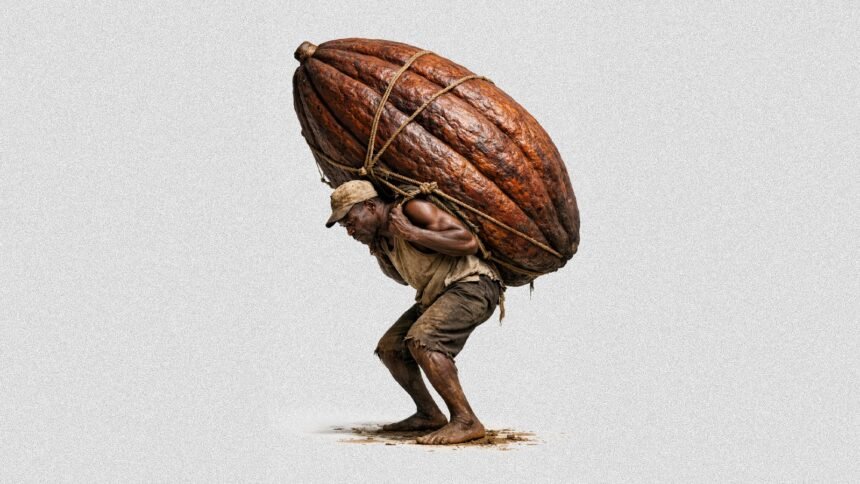
Africa’s cocoa legacy spans generations, embedding the continent deeply within global commodity chains while exposing farmers to persistent economic fragility. West Africa, which produces over 70 percent of the world’s cocoa, has long anchored this narrative, with countries such as Ghana and Côte d’Ivoire as major producers. Introduced during the colonial era, cocoa cultivation promised prosperity but evolved into a system in which smallholders, often on modest two- to five-hectare plots, bear disproportionate risks. This Pan-African heritage reflects a dual-edged sword: cocoa drives national revenues, contributing significantly to GDPs and employing millions, yet it perpetuates cycles of low income and dependency.
Historically, fixed farmgate prices aimed to stabilize earnings, but they often lag behind volatile global markets, leaving farmers with 60-70 percent of international values after deductions. In Ghana, where cocoa supports approximately 800,000 rural households, recent crises have exacerbated this vulnerability. Payment delays, exacerbated by regulatory debt and mismatched pricing, persist across the region, mirroring Côte d’Ivoire’s struggles with unsold stocks and diminished demand. This legacy underscores an economic architecture that prioritizes export volumes over farmer welfare, fostering inequities that hinder continental self-sufficiency and growth.
Cocoa Farming Realities: Payment Delays and Livelihood Erosion
The daily grind of cocoa farming in Africa reveals a harsh economic landscape, where delayed payments and market slumps erode livelihoods at their core. In Ghana, thousands of smallholders face acute hardship, with farmers delivering beans months ago yet awaiting compensation from the regulator. Individuals in the Assin Foso district report limiting meals to one per day and being unable to cover school fees or settle debts incurred froms from borrowed farm inputs. Unsold cocoa is accumulating, estimated at 50,000 tons at ports and potentially 300,000 tons overall, risking quality degradation under humid conditions, where storage limits are only months.
This reality extends regionally: Côte d’Ivoire mirrors Ghana’s woes, with global demand shrinkage halving prices to around 4,000 dollars per ton from prior spikes. Farmers contend with ageing trees yielding less, compounded by insufficient funds for maintenance or replanting. In Ghana, a fixed farmgate rate initially set at nearly 5,300 dollars per ton deterred international buyers, triggering a liquidity crunch. Recent adjustments reduced it to approximately $ 3,580 to stimulate purchases, alongside government directives for immediate repayments, yet these measures follow prolonged distress. Across Africa, such farming realities highlight how economic shocks, from currency fluctuations to debt-laden regulators, translate into immediate household crises, threatening food security and intergenerational continuity in the sector.
Human Rights in the Harvest: Dignity Amid Deprivation
Human rights intersect profoundly with the economic conditions of cocoa farming, where deprivation undermines dignity and basic entitlements. African cocoa farmers, predominantly smallholders, endure conditions that border on exploitation, with poverty rates stubbornly high despite the crop’s global value. In West Africa, where families rely on cocoa for subsistence, payment delays force stark choices: forgo children’s education, ration food, or incur unpayable debts. Reports from Ghana illustrate this vividly: farmers are unable to replace declining trees or afford essential goods, leading to declines in health and family strain.
This deprivation extends to labor rights, as economic pressures perpetuate informal work and limited protections. Women and youth, vital to farming, face heightened vulnerabilities, often being sidelined from decision-making and from fair shares of income. Pan-African human rights frameworks call for living incomes, yet realities fall short: farmers capture far less than global prices, fueling cycles of indebtedness and migration from rural areas. Diseases and climate stressors further erode resilience, turning harvests into battles for survival. Upholding dignity requires recognizing these farmers not merely as producers but as rights-holders entitled to timely payments, safe working conditions, and equitable systems that affirm their humanity amid economic turbulence.
Economic Equity Imperatives: Closing the Value Chain Divide
Economic equity is a critical imperative for Africa’s cocoa farmers, addressing the stark disparity between farmgate earnings and global profits. Smallholders receive a fraction of cocoa’s value, often below living income thresholds, while downstream players reap substantial margins. In Ghana, recent crises stem from a mismatch: high fixed prices deterred traders, leaving regulators cash-strapped and farmers unpaid. Farmer coalitions, representing hundreds of thousands, advocate for immediate settlements before negotiating market-linked rates, proposing memoranda to align farmgate prices with international price fluctuations.
Regionally, this equity gap manifests as structural barriers: ageing plantations, limited financing, and supply-chain costs that siphon value. Latin American counterparts, capturing up to 90 percent of world prices, highlight West Africa’s inefficiencies, where 60-70 percent shares prevail. Pan-African reforms must prioritize transparent financing models, debt relief for regulators, and value addition through local processing, to achieve over 50 percent of beans transformed domestically. Bridging this divide requires inclusive policies: subsidies for resilient varieties, cooperative empowerment, and trade mechanisms under continental agreements to reduce dependencies. Ultimately, equity imperatives transform cocoa from a poverty trap into a pathway for shared prosperity, ensuring farmers’ contributions yield fair returns.
Development Pathways: Forging Sustainable Cocoa Futures
Development pathways for Africa’s cocoa sector envision a resilient, inclusive future, pivoting from crisis to sustainable growth. Amid 2026’s price slumps, down by over 10 percent early in the year, surpluses are expected from improved West African harvests, yet structural reforms remain essential. Ghana’s new financing models and price cuts signal steps toward alignment. Still, broader Pan-African strategies must address ageing farms, climate vulnerabilities, and diseases such as the swollen shoot virus, which curtail yields.
Empowering farmers through education, digital tools for market access, and youth engagement can rejuvenate the sector, countering demographic shifts where average ages hover around 50-60. Investments in infrastructure, secure storage, efficient transport, minimize losses, and enhance bargaining power. Continental initiatives, such as disease-resistant breeding and land tenure security, foster long-term viability, whereas diversification into processed goods reduces reliance on raw exports. These pathways promise economic sovereignty: boosting GDPs, creating jobs, and ensuring cocoa sustains communities rather than exploiting them. By prioritizing farmer-centric development, Africa can harvest not just beans, but enduring equity and progress.


