





Introduction:
This article provides an overview of the food system in Africa and its pivotal role in driving
socio-economic and environmental development to achieve sustainable development in African countries. It highlights key challenges such as food insecurity, climate change, and rapid population growth, coupled with resource scarcity, which threaten the agricultural sector and food production. This article seeks to identify emerging opportunities for financing and new technologies, focusing on youth engagement and investment in the demographic dividend.
According to the Food and Agriculture Organization (FAO), Food systems(FS) encompass the entire range of actors and their interlinked value-adding activities involved in the production, aggregation, processing, distribution, consumption, and disposal of food products that originate from agriculture, forestry, or fisheries, alongside the broader economic, societal, and natural environmental bases.
How Food Systems Contribute to Achieving the Sustainable Development Goals:
Food systems play a pivotal role in achieving the Sustainable Development Goals (SDGs), as they intersect economic, social, and environmental aspects. Food systems contribute to achieving SDGs 1 and 2, which focus on eradicating poverty and hunger, by ensuring sustainable food security for populations. This, in turn, provides food availability, reducing poverty and hunger within communities.
Food systems also contribute to economic growth, particularly in Agriculture, as most African economies rely on various forms of agriculture, including fish farming.
Egypt accounts for 62 per cent of regional aquaculture production, with Nigeria a distant second with around 10 per cent. And the cultivation of crops in Burkina Faso.
Many African countries, where agriculture is the mainstay of their economies, also recognize that food systems contribute to the environmental aspect of the Sustainable Development Goals. Sustainable agriculture and natural resource management within food systems help reduce carbon emissions, protect the environment, and combat climate change. The development of Sustainable food systems is a comprehensive plan that directly and indirectly drives sustainable growth and addresses food security challenges.
The need to build sustainable food systems in Africa:
One of the challenges facing the African continent is food insecurity, with reports indicating a growing number of people suffering from malnutrition. Population growth in Africa is one of the Challenges to building a sustainable food system. As the population grows, the pressure and demand for food and its products double. This demand may exceed the capacity of agricultural production to meet it, necessitating continuous increases in food production.
The continuous demand, driven by population growth, has made it necessary to expand agricultural production to meet the increasing demand. This can significantly contribute to soil degradation due to overuse of agricultural land and water scarcity, leading to environmental problems and potentially affecting agricultural production. Ultimately, this results in a continuous rise in prices, leaving some vulnerable communities unable to secure sufficient food. Africa faces numerous challenges in meeting its food needs amid a constantly changing climate, particularly due to water scarcity and increasing flooding. This has led to a decline in soil quality, increasing the need for adaptation measures and making it imperative to explore alternatives.
According to the 2024 edition of the State of Food Security and Nutrition in the World Report, between 713 and 757 million people faced hunger in 2023– one out of 11 people in the world, and one out of every five in Africa. Africa’s population is estimated to be approximately 1.5 billion in 2025. This Continuous population growth necessitates urgent action to maximize the demographic dividend and invest in youth to develop a sustainable food system that ensures access to sufficient and nutritious food. This is essential for achieving food security and sustainability.
Population growth should be viewed as an opportunity, not a challenge. In addition to its vast workforce, Africa has the capacity to overcome food security challenges and strengthen communities’ food systems. Vast tracts of land can be utilized for agriculture, and young people can be empowered.
Africa Food Systems Forum 2025:
African countries are actively pursuing the development of a sustainable food system. Senegal hosted the Food Systems forum in Dakar from August 31 to September 5, 2025, under the patronage of Senegalese President Bassirou Guillaume Faye. The discussion highlighted the importance of developing food systems in Africa to achieve food security and sustainability.
Participants discussed agricultural challenges, including soil acidification, nutrient loss, and productivity, with a focus on the pivotal role of youth and women in driving change and development. There was significant emphasis on integrating science, policy, and modern technologies to enhance productivity and sustainability. The forum stressed the need to unify efforts to formulate mechanisms for translating plans and policies into concrete, actionable.
Measures to support investment in the transformation of comprehensive and sustainable food systems to bolster sustainable development efforts by 2030.
Rwanda President Paul Kagame emphasized the importance of active youth participation in their initiatives and supporting national initiatives. The event witnessed significant regional momentum, underscoring the politics and the role of civil society in moving forward, and it was hoped that this event would serve as a turning point. A launchpad towards more sustainable and resilient food systems in Africa that support self-sufficiency and economic, social, and environmental development. “We have to focus on young people who constitute the largest portion of our population, through education, through financing, through different partnerships, so that all these young minds with their innovation and ideas in terms of entrepreneurship can thrive. But there must be an obligation for they to feel it as young people do. There is no sitting back and waiting until there is a problem and you expect that somebody is going to come and help” – President Paul Kagame, Africa Food Systems Forum 2025
This forum focused on supporting smallholder farmers, diversifying crops based on climatic conditions, investing in innovative technologies and artificial intelligence, and strengthening infrastructure to increase agricultural production. The Forum witnessed significant partnerships and funding pledges aimed at translating youth energy into action. The African Union launched a 6.7-million-dollar Food Trade Corridors Partnership.
Pathway Forward:
To build a sustainable food system, regional solidarity, government support, and the private sector are essential to promoting development and economic and social prosperity in Africa.
Including and engaging youth strengthens the continent’s efforts towards sustainable development. Investing in youth plays a significant role in capitalizing on Africa’s Population growth and harnessing their potential in agrifood entrepreneurship and innovation. As well as leveraging their ideas in policymaking to address future challenges related to food insecurity and food systems.
Pathway Forward:
To build a sustainable food system, regional solidarity, government support, and the private sector are essential to promoting development and economic and social prosperity in Africa.
Including and engaging youth strengthens the continent’s efforts towards sustainable development. Investing in youth plays a significant role in capitalizing on Africa’s Population growth and harnessing their potential in agrifood entrepreneurship and innovation. As well as leveraging their ideas in policymaking to address future challenges related to food insecurity and food systems.
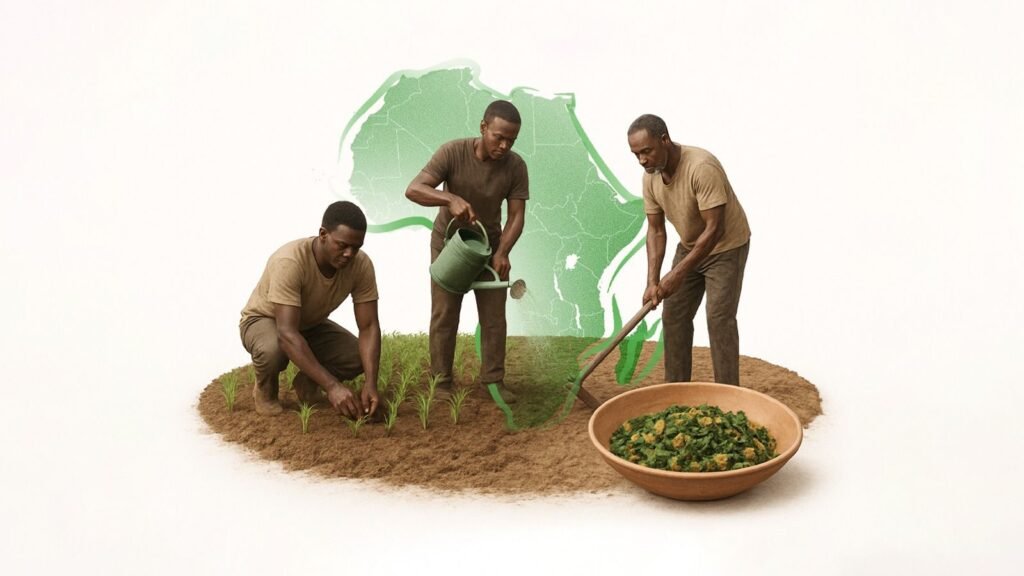
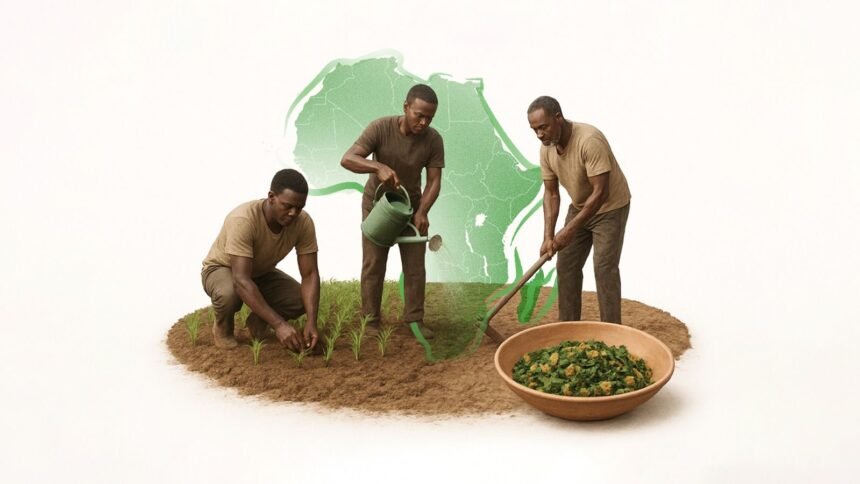
Building Sustainable Food Systems for Africa: Ensuring Prosperity for the Next Generations


