



Africalix Exclusive Interview
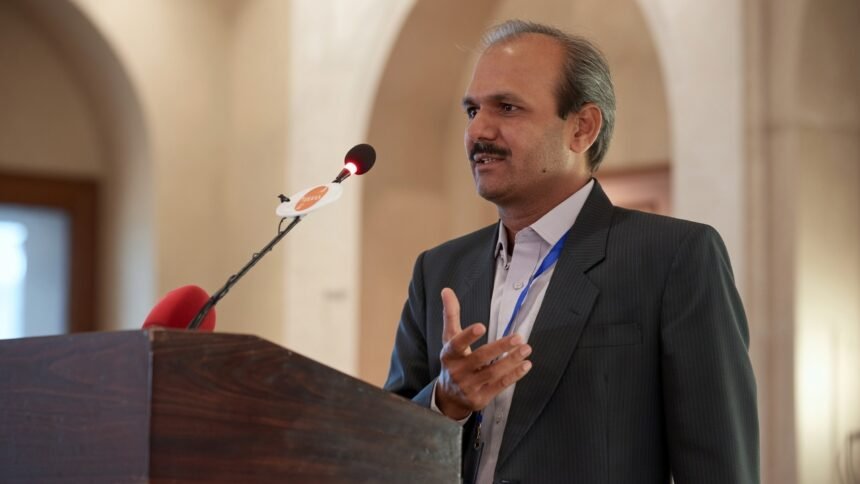
Abdul Khurshid Bhatti, CEO, Association for Humanitarian Development (AHD) Pakistan
In 2005, approximately 500 children died from cholera, gastroenteritis, and diarrhea in a single week at Civil Hospital Hyderabad, Pakistan. That catastrophe catalyzed a strategic pivot for a small NGO that had been operating a rehabilitation center for children with disabilities.
From that tragedy emerged the Nadi filter, a simple ceramic filtration technology made from locally available materials, costing only a few dollars, yet delivering 95-99% removal of E. coli and biological contaminants.
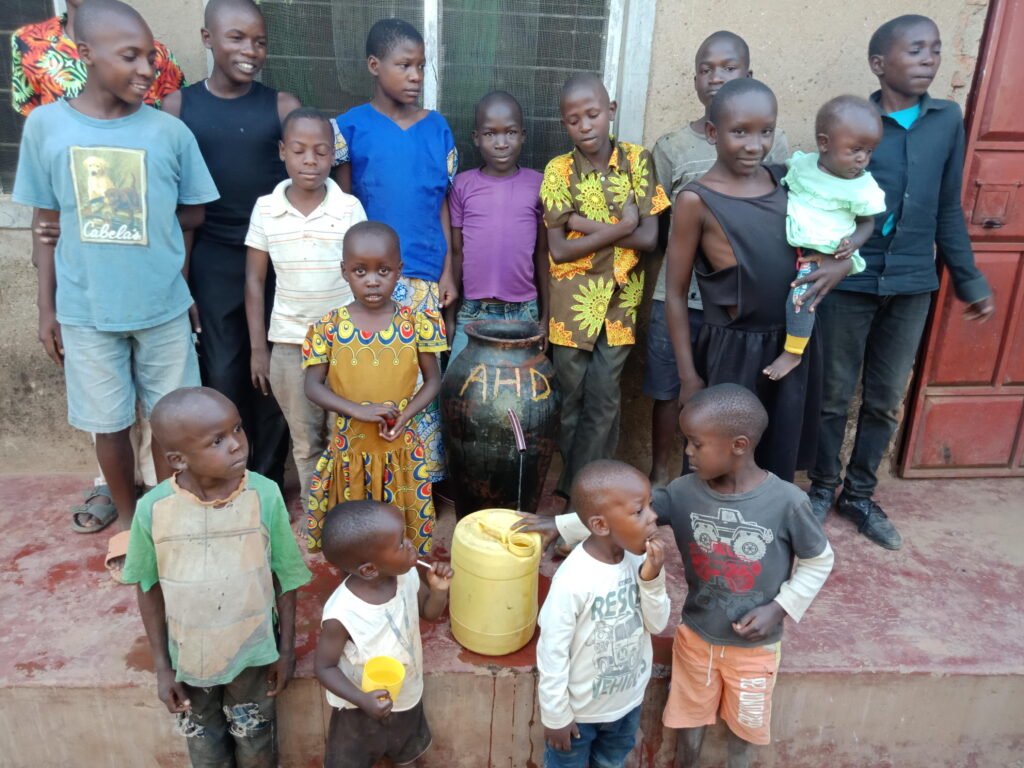
Nearly two decades later, the Nadi filter serves over 3.8 million people across Pakistan, and is expanding into Kenya, Zimbabwe, Sudan, Papua New Guinea, Uganda, Mozambique, Dimocratic Republic of the Congo, Liberia and Zambia through partnerships with international organizations from Australia to the Netherlands.
Abdul Khurshid Bhatti, CEO of the Association for Humanitarian Development, represents a different model of development innovation: one rooted not in high-tech solutions or massive capital expenditure but in deep observation of what communities actually need and persistent adaptation across different geographies and governance contexts.
In this exclusive interview with Africalix, he discusses why one solution to global water insecurity may lie not in global summit declarations but in ceramic pots made by local hands in village workshops, why major floods displacing 33 million people suggest that emergency response must shift from charity to sustained resilience-building, and how water security, food production, clean cooking, and climate mitigation are inseparable parts of integrated survival.
From Children’s Disabilities to Cholera: A Catalyzing Crisis
The Association for Humanitarian Development was officially registered as an NGO on May 17, 2003, with an initial focus on supporting children with disabilities.
The organization operated a rehabilitation center in Hyderabad that served approximately 17 children, providing essential services and dignity to families often marginalized by mainstream society.
But a pivotal moment came in 2005 when tragic news reports documented approximately 500 children dying from cholera, gastroenteritis, and diarrhea in a single week at Civil Hospital Hyderabad.
For Abdul Khurshid Bhatti and the AHD team, this catastrophe was more than a statistic. It was a signal that addressing disability or poverty required addressing their root causes. Access to safe water was foundational.
“This crisis catalyzed our strategic shift toward developing sustainable water solutions,” Abdul Khurshid Bhatti explains.
“We examined multiple filtration approaches and refined sand-based systems into what became the Nadi Filter, a mud-pot ceramic technology. Starting with a single prototype in 2006, we progressively scaled production.”
By 2007, AHD partnered with organizations such as ADP and Oxfam GB/NOVIB to conduct rigorous testing on 100 Nadi filter units.
These tests demonstrated exceptional results, with 95-99% removal of E.coli and biological contaminants, validating the approach for rapid scaling.
Since September 2007, under Abdul Khurshid Bhatti’s leadership as CEO, AHD has implemented 98 projects ranging from drought mitigation and flood relief to safe water and sanitation initiatives.
In 2016, AHD formalized the Integrated Village Development Model, an integrated, results-oriented framework for sustainable community development that extends beyond water alone.
This shift reflected a deepening understanding that water security, food security, energy security, and climate resilience are interconnected systems.
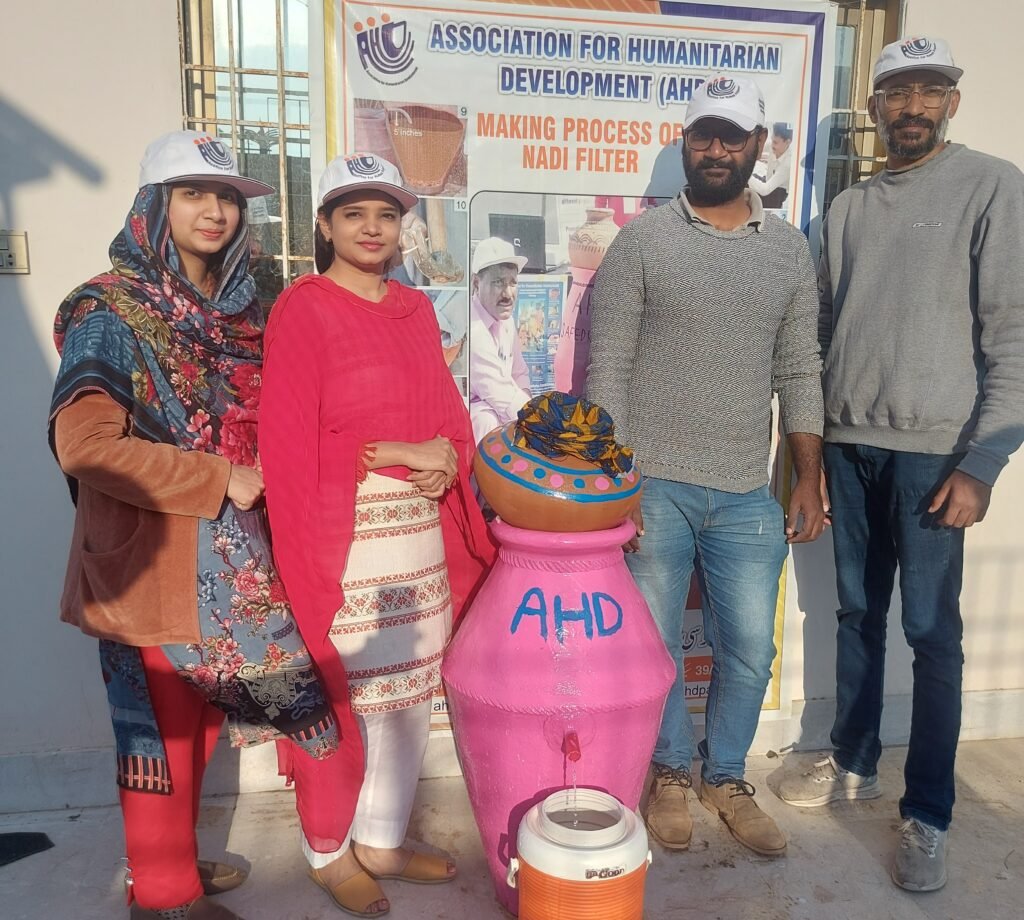
Water Abundance, Water Crisis: Pakistan’s Paradox
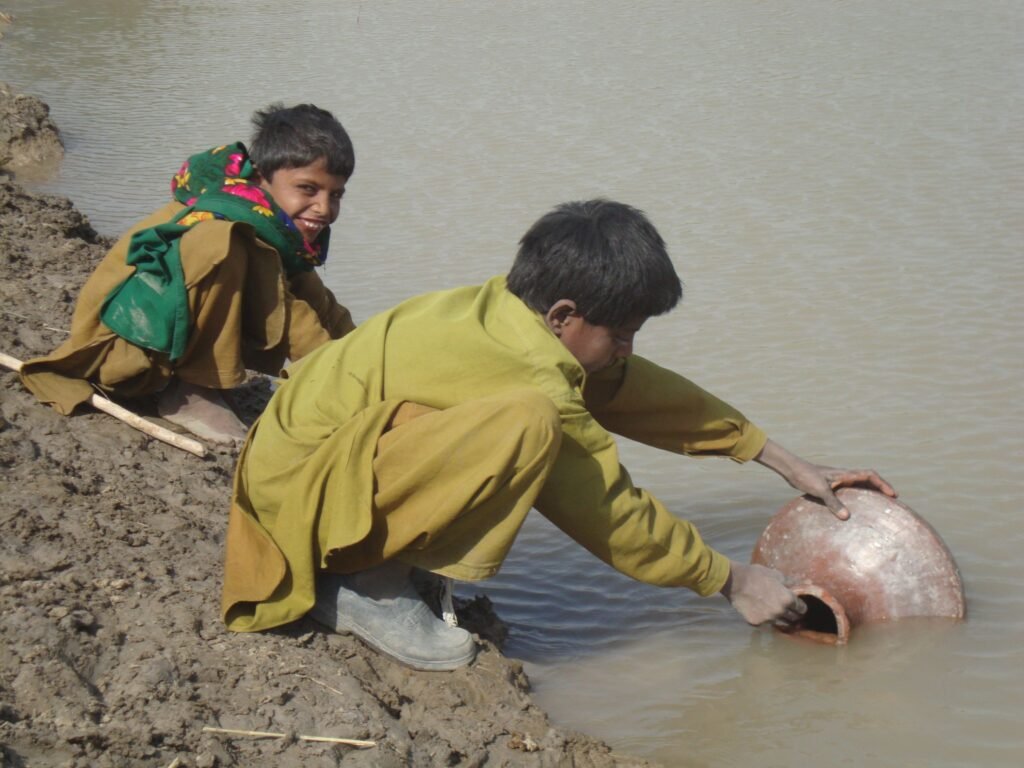
Pakistan remains one of the world’s most water-stressed countries, with only around 36 percent of the population accessing safely managed water.
Yet the paradox that haunts the nation is profound: while Pakistan possesses abundant water resources through canals, rivers, and freshwater systems, as well as some of Asia’s best agricultural practices, the country remains profoundly vulnerable to climate extremes and water infrastructure failures.
Major floods in 2010, 2022, and 2025 have devastated approximately one-quarter of the nation, affecting 33 million people and claiming about 2,150 lives. These are not minor disasters; they represent systemic failure at the intersection of climate vulnerability, inadequate water management infrastructure, and governance fragility.
“Pakistan ranks among the countries most severely impacted by climate change,” Abdul Khurshid Bhatti notes. “The intersection of climate vulnerability with inadequate water management infrastructure has created a systemic crisis.
Approximately 85% of the population still lacks access to safely managed drinking water, and millions require immediate, scalable, and long-term solutions to build resilience and improve health outcomes.”
This gap between water abundance and water insecurity is not primarily technical. It is structural. It reflects policy failures sustained over decades, underinvestment in water infrastructure maintenance, inadequate regulation of groundwater extraction, insufficient coordination between provincial and federal authorities, and a default to emergency response rather than prevention and resilience-building.
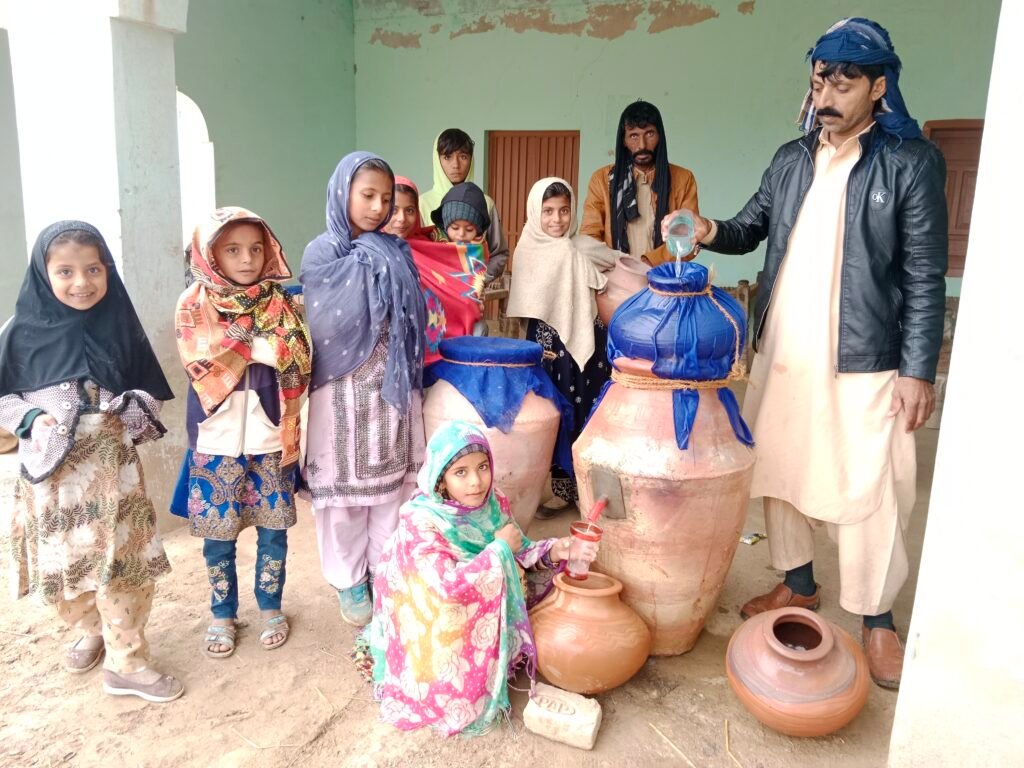
How the Nadi Filter Works: Simplicity as Strength
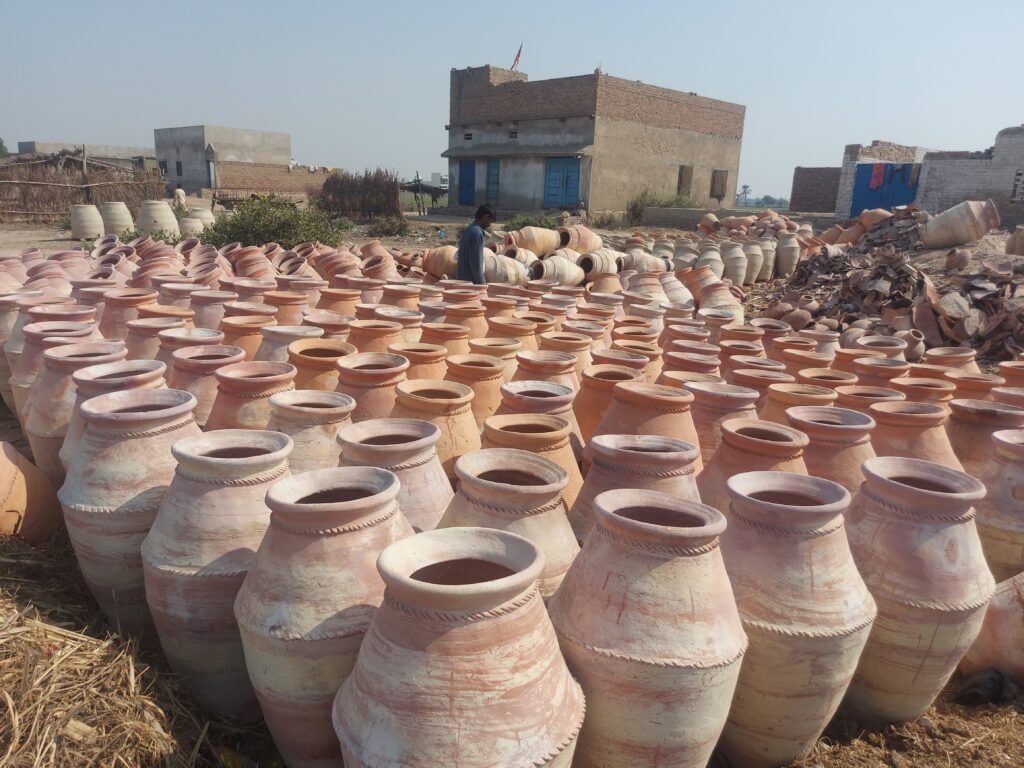
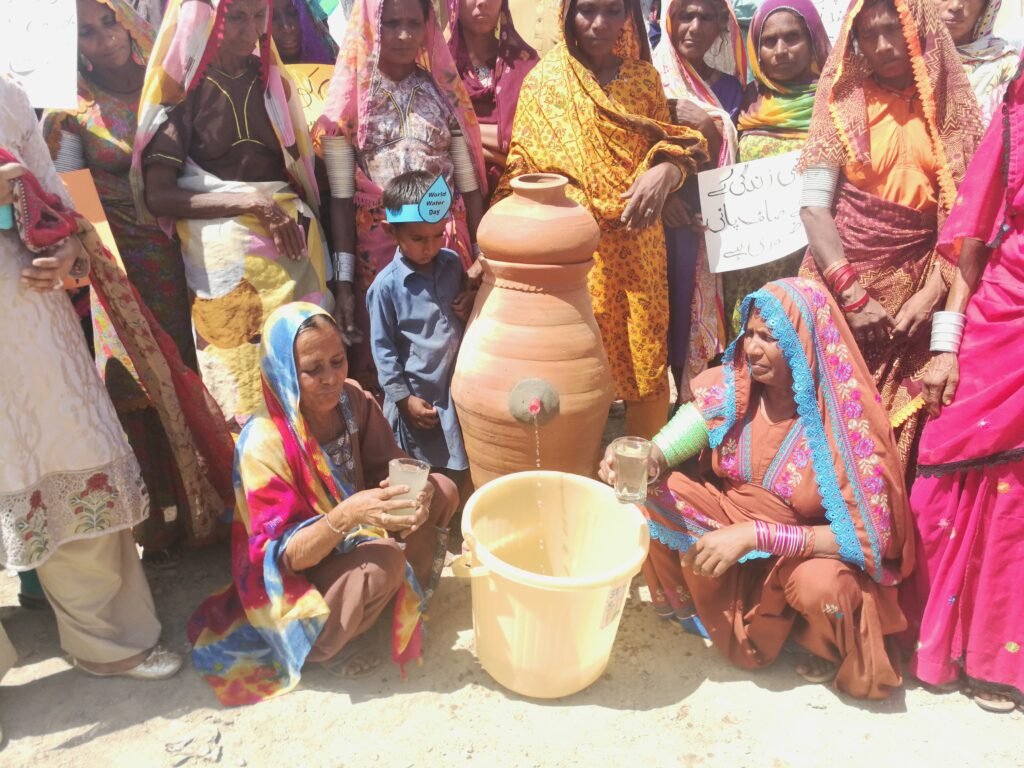
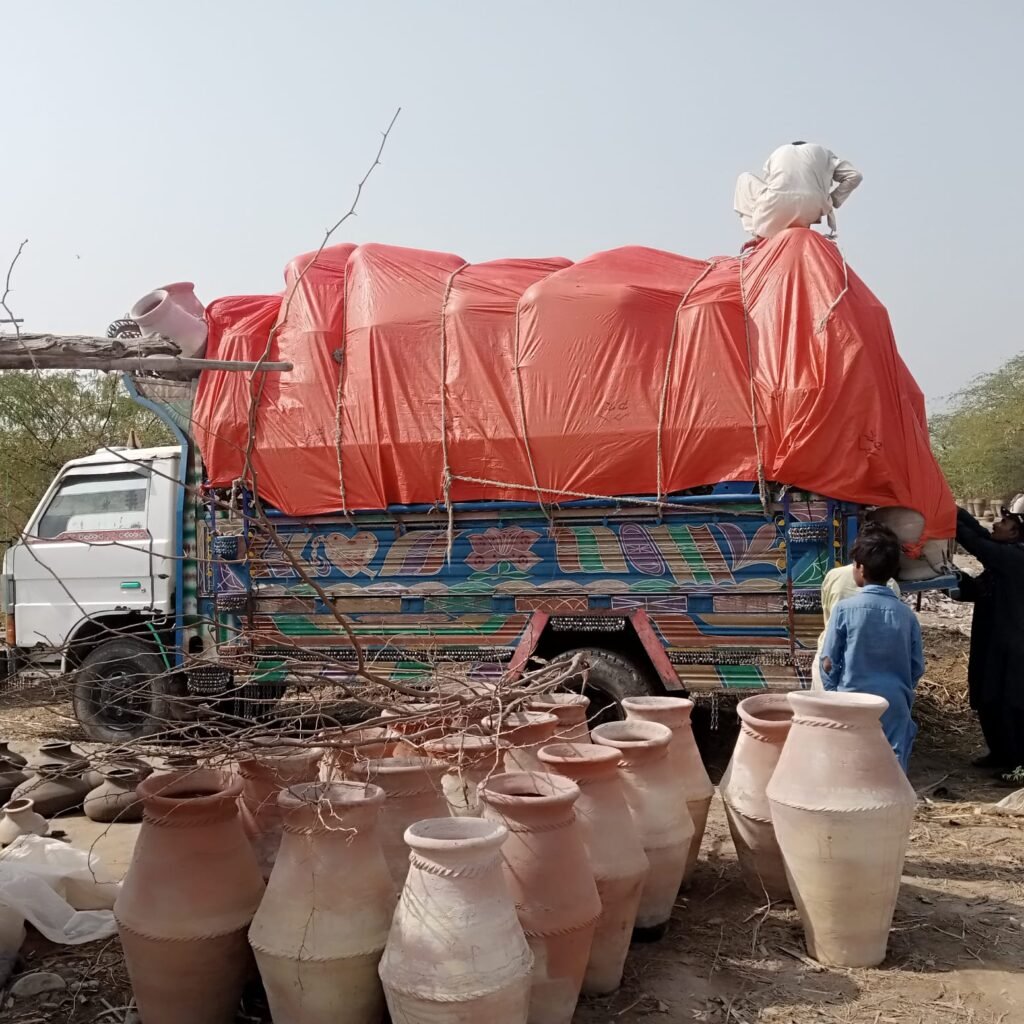
The Nadi filter now serves over 3.8 million people, yet its technology is deliberately simple. Made from locally available ceramic materials, primarily clay and sand, the filter can be produced in village workshops with minimal training.
It requires no electricity, no chemical inputs, and no ongoing supply chain dependency. Once installed in a household, the filter provides indefinite access to clean water at virtually no additional cost.
The filtration mechanism works through a combination of physical and biological processes. Water passes through ceramic pores fine enough to capture bacteria, parasites, and suspended solids but large enough to maintain reasonable flow rates.
Test results consistently demonstrate 95-99% removal of E. coli and other biological contaminants responsible for cholera, gastroenteritis, and diarrhea.
Maintenance is straightforward: periodic cleaning of the filter surface and replacement of the ceramic cartridge approximately every 5-7 years, depending on water quality.
The total cost for a household filter is approximately 1,000-1,500 Pakistani Rupees, less than $10. By comparison, families who depend on bottled water spend far more each month while generating massive plastic waste.
What makes the Nadi filter distinctive is not technological sophistication but rather context-appropriateness. It solves the actual problem facing rural and urban poor communities: accessing clean water without ongoing dependency on external suppliers, without electricity, without debt.
“The Nadi filter saves families from multiple crises simultaneously,” Abdul Khurshid Bhatti emphasizes. “It provides safe drinking water, eradicates cholera and gastroenteritis, saves groundwater and freshwater systems, protects women and girls from trafficking and harassment by eliminating the need for them to travel to distant water sources, generates health improvements that enable economic productivity, ends plastic pollution, and creates employment in local filter production. All of this flows from one simple technology.”
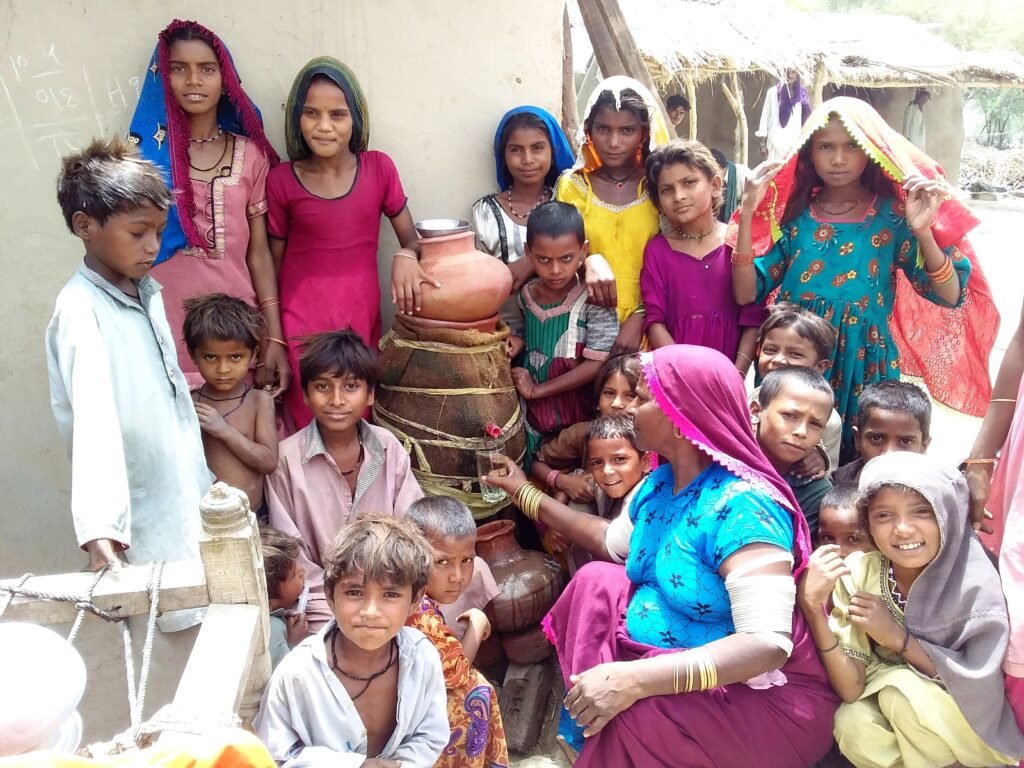
Trust Built Over Seventeen Years
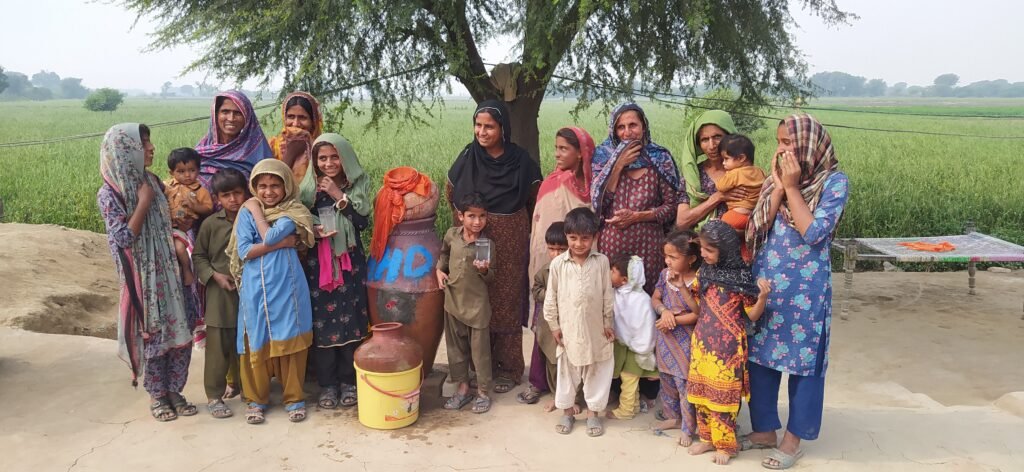
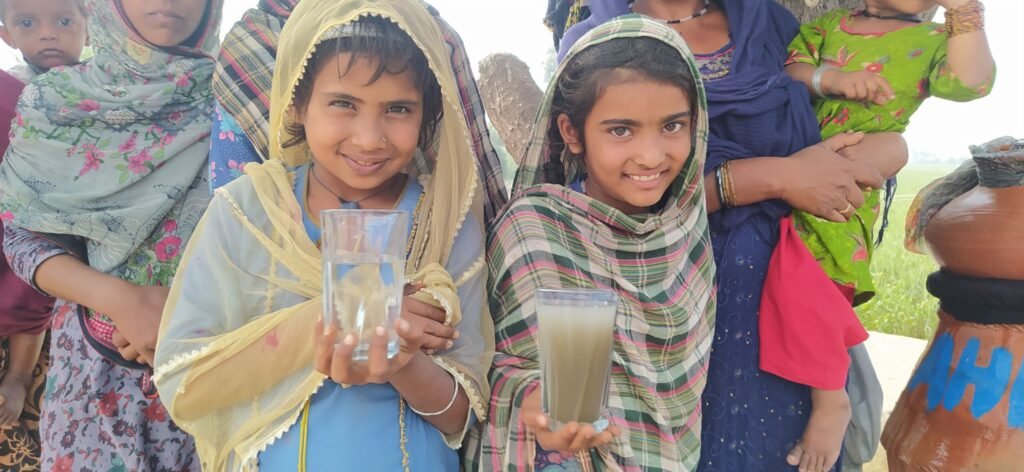
One of the most powerful indicators of the Nadi filter’s success is not statistical but personal. Dr. Victoria Mehwish and her family represent just one of thousands of households that have relied on the Nadi filter for nearly two decades and continue to share updates on its transformative impact on their lives.
Seventeen years of consistent use by the same family tells us something that aggregated data cannot: that the solution is trustworthy, durable, and genuinely valued.
If households were not experiencing clear benefits, if water quality had become unreliable, if maintenance had become burdensome, if alternative solutions appeared superior, they would have abandoned the filter long ago.
“Long-term users like Dr. Victoria Mehwish represent validation that transcends any evaluation report,” Abdul Khurshid Bhatti explains.
“This success is being replicated across Pakistan, Asia, and Africa. The long-term value of the Nadi filter extends far beyond water provision; it simultaneously improves family health, reduces household expenses, eliminates plastic bottle consumption, and addresses the broader environmental crisis of plastic pollution.”
International communities and donors increasingly recognize these multifaceted benefits as essential to sustainable development. Individual stories of transformation, accumulated across millions of users, constitute the strongest evidence that the model works.
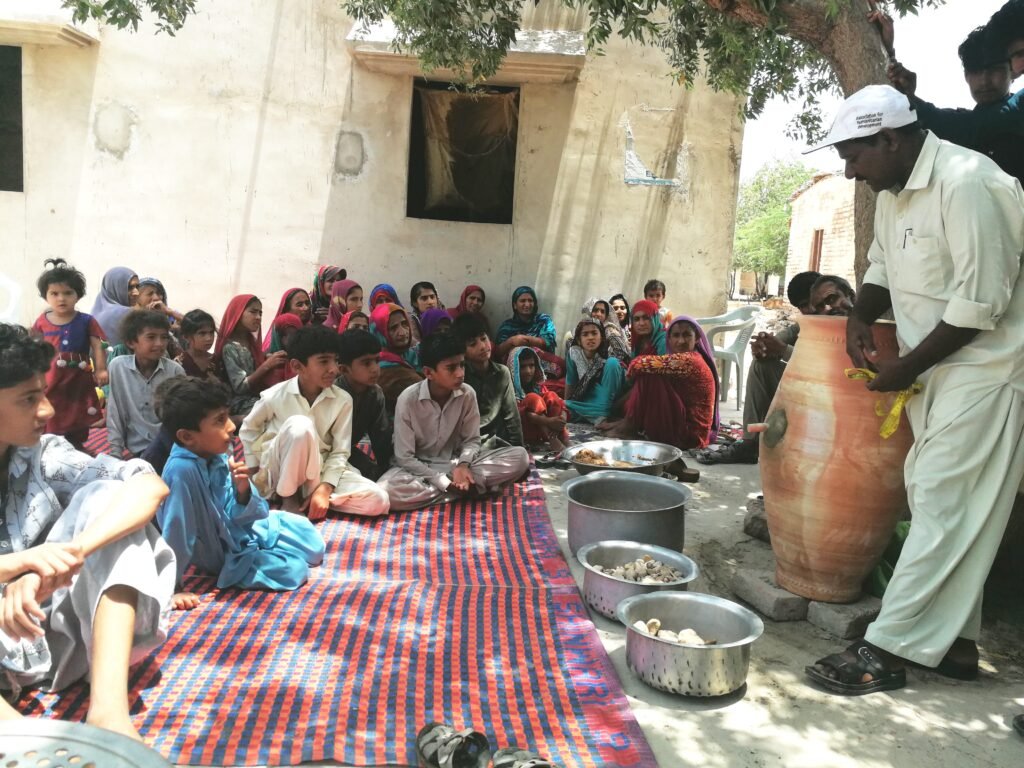
The NGO Project Cycle Problem
Despite measurable reductions in waterborne diseases where the Nadi filter has been widely adopted, the technology has not translated into large-scale government adoption. This paradox reveals a deeper systemic challenge: the mismatch between the Nadi filter’s characteristics and traditional NGO project cycles.
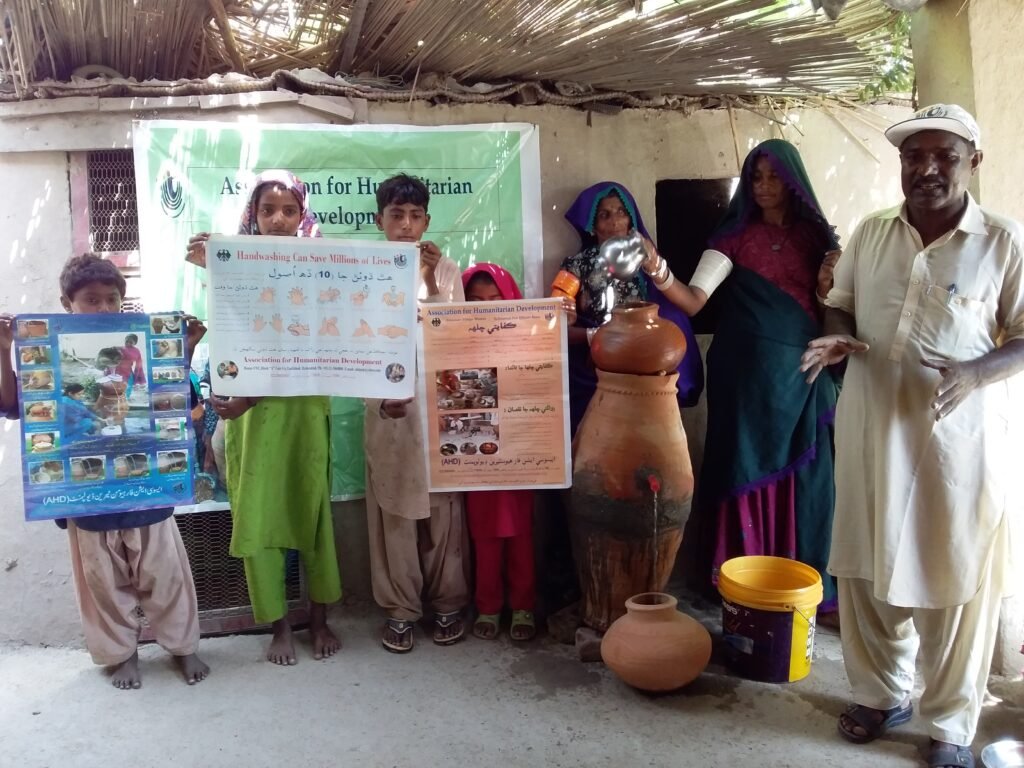
Over time, the Nadi filter has been progressively scaled and promoted across Pakistan, with adoption by over 53 NGOs. However, the translation to sustained impact has been limited by varying levels of organizational commitment.
The Nadi filter’s distinctive value lies in its lifetime utility; once installed, a household receives clean water indefinitely at no additional cost.
“This paradigm challenges the traditional NGO project cycle, which often depends on continuous funding and repeated interventions,” Abdul Khurshid Bhatti explains.
“Consequently, some organizations have hesitated to embrace the model due to concerns about long-term project sustainability and funding implications.
An organization that installs Nadi filters and sees families remain healthy faces a paradoxical problem: they have succeeded so thoroughly that there is no longer a need for their intervention.”
Despite these institutional challenges, the international community is increasingly responsive to the model. AHD is now engaged with multiple donors and development partners, and Abdul Khurshid Bhattiis confident that this will enable scaled replication and wider adoption in the coming years.
The key is shifting institutional incentives to reward genuine, permanent solutions rather than continuous engagement.
Emergency Response and Sustained Resilience
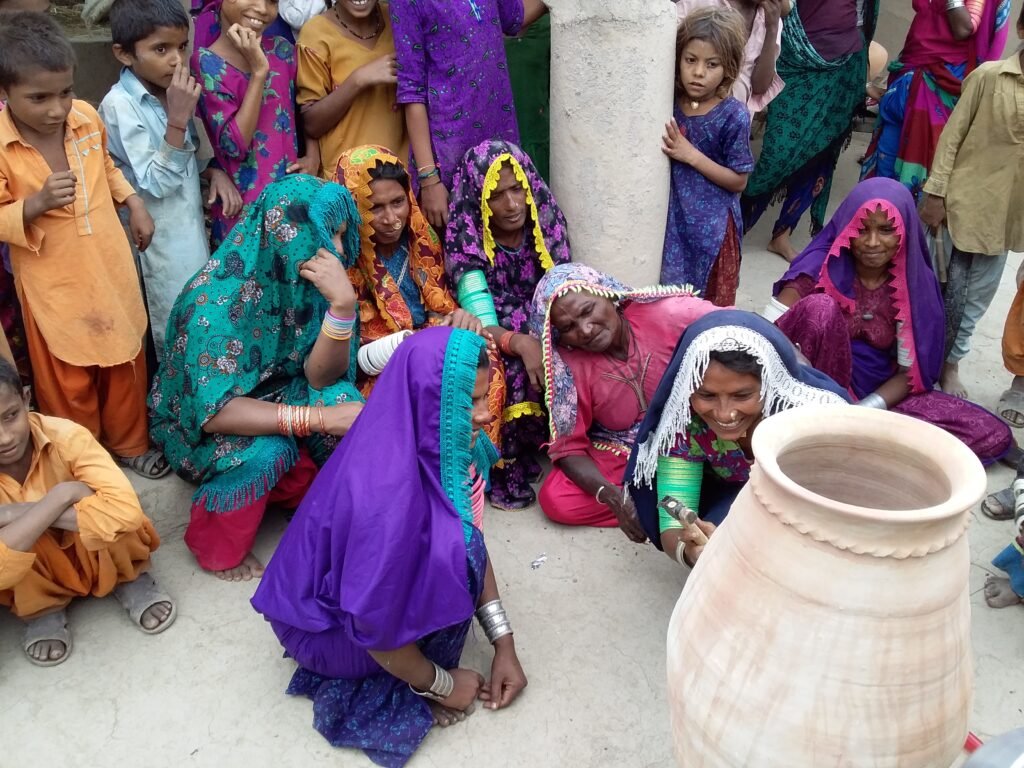
Following the devastating floods in 2022 and again in 2025, millions in Pakistan have been left without safe water. Emergency response efforts conventionally prioritize food, water, and shelter.
However, this approach is limited to immediate relief that typically lasts one to two weeks before support systems withdraw.
“A more strategic intervention would provide unprocessed food and Nadi filters to affected families, enabling them to become self-sufficient and resilient in the critical weeks and months following a disaster,” Abdul Khurshid Bhatti argues.
Families affected by the 2022 and 2025 floods continue to suffer from the aftermath of these devastating events.
While they received food and bottled water during the initial emergency phase, such assistance typically ends after one to two weeks. Without sustained support, affected populations remain vulnerable to waterborne diseases and further crisis.”
From this perspective, emergency response must shift from charity, the provision of temporary relief, to resilience-building: the provision of tools that enable communities to meet their own needs permanently.
The minimum emergency response within the first 72 hours should combine immediate food provision with Nadi filter distribution, enabling families to begin moving from crisis mode toward self-sufficiency even as humanitarian systems continue their broader response.
Only sustainable, long-term solutions can break the cycle of dependency. By providing communities with durable technologies and skills, development actors enable them to achieve genuine resilience, end reliance on repeated relief interventions, and create pathways out of crisis.
Integrated Development: Water, Food, Energy, Climate
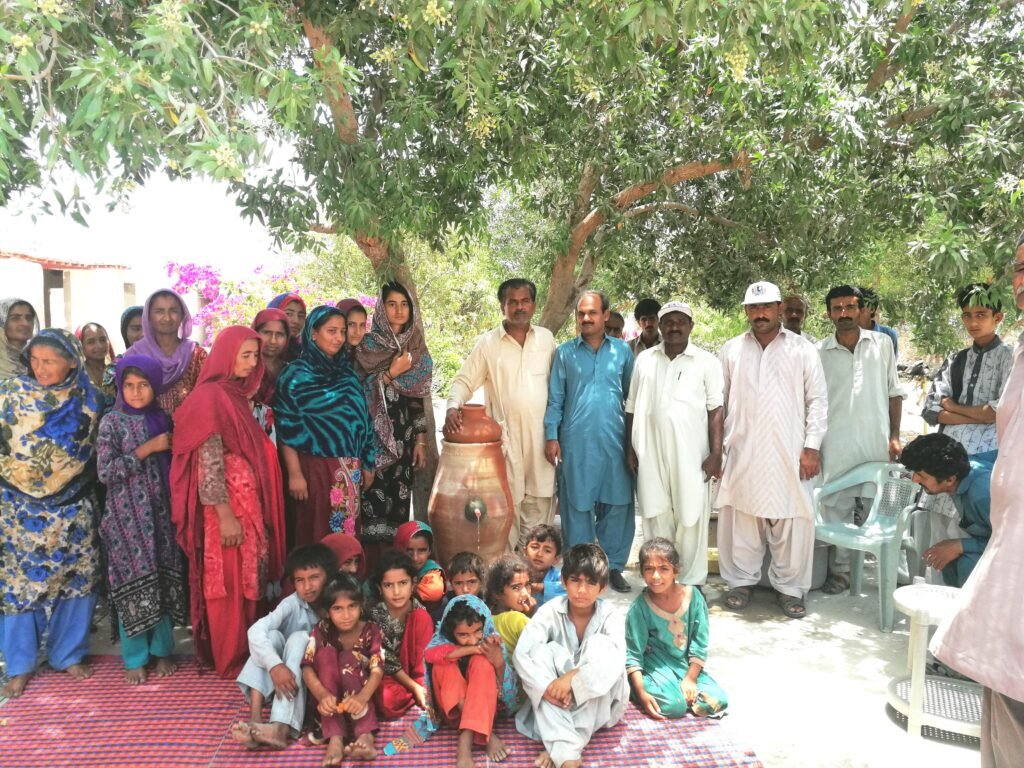
AHD’s work has progressively expanded beyond water provision to include clean cooking solutions, kitchen gardening, and tree planting. On the surface, these might appear to be separate program areas.
But for Abdul Khurshid Bhatti, they represent components of an integrated system essential for climate resilience.
Water security alone does not guarantee household resilience if families cannot produce food or face energy poverty from dependence on biomass burning. Food production without water security collapses during droughts.
Clean cooking without water security means families still face disease transmission vectors. Addressing any one of these dimensions without the others creates partial solutions that eventually fail.
“The world is going through crises over cholera pandemics, poverty, and climate effects,” Abdul Khurshid Bhatti reflects. “Millions of projects and billions in payments address WASH and climate, water and rising temperatures, yet the fundamental question remains: are we discovering real sustainable solutions, or are we merely managing the symptoms of deeper systemic failures?”
In Asia and Africa, disasters, floods, earthquakes, and heat waves are hitting record highs everywhere, and the alarms are sounding globally.
Yet Abdul Khurshid Bhatti sees a lack of genuine, sustainable solutions at the systemic level, despite millions of organizations and billions in funding.
This gap suggests that the problem is not a lack of resources or commitment, but rather the fragmentation of approaches.
AHD Pakistan’s integrated approach treats water, food security, clean energy, and climate mitigation as a unified system because, in practice, that is what they are. A household with access to safe water but without food security remains vulnerable.
A community with food security but water contamination faces disease outbreaks. Households that depend on biomass for cooking contribute to climate degradation that undermines the entire system.
South-South Partnerships and Scaling Across Continents
As AHD expands into Africa and other parts of Asia, the organization is consciously learning lessons about adapting the Nadi filter model across different environments and governance systems. These are not marginal expansion efforts.
AHD has successfully demonstrated the Nadi filter model across diverse African contexts, from Zimbabwe to Kenya and beyond. Partner organizations throughout Africa are increasingly committed to scaling implementation.
One particularly significant partnership is with Queensland University and Thrive Project Australia, which signed a memorandum of understanding to support implementation in Papua New Guinea and Pacific Island nations.
Organizations like GRFC Europe and others are joining these efforts. Blue Community officially adopted the Nadi filter in March 2025 as a partner for scaling in Africa.
The Nadi filter has been added to the Nature Based Solutions Netherlands platform, recognizing it as an environmentally appropriate technology with global relevance.
AHD has also been invited to participate in the Asia-Pacific Forum for Environment and Development, broadening visibility and partnership opportunities.
“The opportunity to scale the Nadi filter across Africa and Asia is substantial,” Abdul Khurshid Bhatti states. “As the Nadi filter demonstrates wider impact and proves sustainable, interest from partner organizations and donors continues to grow.
With support from Africalix and our growing coalition of partners across Asia and Africa, we are positioned to achieve meaningful scale in the coming years.
With specific reference to Sudan, this represents a significant opportunity to test and validate the model in a new geographic and governance context, paving the way for broader regional expansion.”
South-South partnerships, those between developing nations and organizations, carry particular importance.
They enable knowledge transfer based on shared experience with similar challenges, lower technology transfer barriers, and build genuine partnerships rather than donor-recipient relationships.
When Nigeria learns from Pakistan’s experience, or Kenya builds on lessons from Bangladesh, the learning flows among equals facing comparable circumstances.
Achieving SDG 6 Before 2030: What Must Happen
Ensuring equitable access to safe water before 2030, SDG 6, requires abandoning the assumption that global solutions can be transferred everywhere unchanged.
It requires investing in locally appropriate technologies, supporting community leadership rather than external provision, and rewarding genuine solutions even when they disrupt traditional project cycles.
Sustainable development, by definition, requires continuous innovation and expansion of successful interventions. When an organization successfully addresses foundational crises affecting communities, it builds momentum and attracts additional partners and supporters eager to join the effort.
“AHD’s climate-resilient integrated model represents a genuine pathway to sustainability,” Abdul Khurshid Bhatti concludes. “As climate impacts intensify and temperatures continue to rise, communities worldwide will recognize the urgency of adopting proven, comprehensive solutions.
AHD is honored to share the lessons and insights we have gained over many years of field implementation across diverse contexts. Our growing partnership ecosystem spans leading organizations and institutions.”
The Nadi filter story, from a single prototype in 2006 to 3.8 million users today, demonstrates that universal access to safe water by 2030 is technically and financially feasible.
What is required is not revolutionary technology but rather revolutionary commitment: to support solutions that work, to measure success by permanence rather than scale of ongoing intervention, and to place communities’ own innovation and leadership at the center of development rather than at its margins.
Whether global institutions and donors can adapt their incentive structures to reward this model at the scale required remains the defining question for SDG 6.
Because if simple, affordable, durable solutions already exist, solutions proven across millions of households and demonstrated to work across diverse geographies, then the remaining barriers are institutional, not technical.
The Nadi filter serves as both proof of concept and mirror: proof that solutions are possible, and a mirror reflecting the choices that development systems make about which kinds of solutions to support.
Abdul Khurshid Bhatti’s quiet insistence that ceramic pots made by village hands represent a valid response to global water insecurity challenges, not just Pakistan’s technical capacity, but the global development sector’s willingness to embrace solutions that work rather than those that generate ongoing dependency.
• • •
Abdul Khurshid Bhatti is CEO of the Association for Humanitarian Development (AHD) Pakistan, an NGO founded in 2003 that initially focused on rehabilitation services for children with disabilities but pivoted toward water security following a 2005 cholera crisis that killed approximately 500 children.
Since 2007, AHD has implemented 98 projects through an integrated village development model combining safe water provision via the Nadi filter (serving 3.8 million people), clean cooking solutions, kitchen gardening, and climate resilience initiatives.
AHD partners with over 53 NGOs across Pakistan and has expanded operations to Kenya, Uganda, Mozambique, Zimbabwe, the Democratic Republic of the Congo, Liberia, Zambia Kenya, Zimbabwe, Sudan, Papua New Guinea, and Pacific Island nations.
The organization has gained recognition from international platforms, including Nature Based Solutions Netherlands and the Asia-Pacific Forum for Environment and Development, as well as major donor networks such as Blue Community, Thrive Project Australia, and Queensland University of Technology.