





Pan-African Migration Mandates: Corridors Connecting Continents
The wildebeest migration, a Pan-African phenomenon traversing Kenya’s Maasai Mara and Tanzania’s Serengeti, embodies the continent’s interconnected ecosystems, where over 1.5 million animals cycle annually across 25,000 square kilometers in search of sustenance and survival. This mandate, etched into the savanna’s rhythms for millennia, sustains genetic diversity and nutrient flows that ripple from East African plains to broader biodiversity hotspots. In 2025, this transboundary spectacle faces amplified pressures, with Kenya’s Mara region at the epicenter of debates over development encroaching on vital pathways. The recent legal dispute surrounding the Ritz-Carlton safari lodge highlights how luxury encroachment fragments these mandates, potentially curtailing herd movements and echoing wider Pan-African challenges such as habitat loss in the Okavango and Congo Basin. Indigenous stewardship, rooted in communal land ethics, emerges as a counterforce, urging unified policies under AU frameworks to preserve these migratory lifelines as shared heritage.
Kenyan Wildlife Crossroads: Balancing Biodiversity and Progress
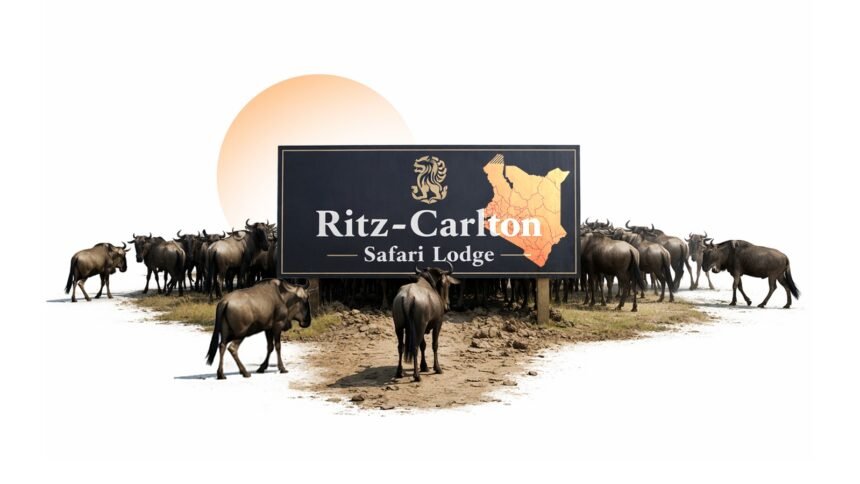
Kenya’s wildlife crossroads converge in the Maasai Mara, a 1,510-square-kilometer reserve that hosts 95 mammal species and over 570 bird species, where the Great Migration sustains an ecosystem that supports 40% of Africa’s large herbivores. As of 2025, elephant populations hover at 36,000, lions at 450, and black rhinos at 1,023, yet crossroads strain under urbanization, fencing, and tourism booms that shrink habitats by 150,000 hectares yearly. The Ritz-Carlton controversy exemplifies this tension: positioned along a key riverine corridor, the lodge’s construction since 2023 has coincided with reduced wildebeest usage, as evidenced by tracking data showing diminished intensity in southern Mara zones. Kenyan policies, such as the Wildlife Conservation Act’s revenue-sharing provisions, aim to address these challenges. Still, progress often sidelines wildlife, with poaching claiming 400 elephants annually and climate change compressing migration seasons by 20 days since 1980. At this juncture, Kenya’s biodiversity bastion demands adaptive strategies to harmonize economic gains with ecological integrity.
Maasai Guardianship Legacies: Indigenous Roles in Ecosystem Defense
The Maasai’s guardianship legacies weave through Kenya’s wildlife narrative, where pastoralist traditions have long coexisted with herds, viewing land as communal kin rather than a commodity. Meitamei Olol Dapash, a prominent Maasai activist from the Institute for Maasai Education, Research and Conservation, embodies this legacy by filing a lawsuit in August 2025 against the Ritz-Carlton, Marriott, Lazizi Mara Limited, and authorities, including Narok County and the National Environment Management Authority. His petition argued that the 20-suite luxury camp obstructs a crucial wildebeest corridor, undermining indigenous rights and ecological balance. Although Dapash sought withdrawal on December 17, 2025, citing no costs, the Environment and Land Court in Narok rejected the bid on December 18, asserting the need for public-interest scrutiny. Maasai legacies, from sacred groves to transhumance practices, clash with modern encroachments, as evictions since colonial times displaced 200,000, fueling conflicts that claimed 150 lives in 2024. This guardianship calls for the reclamation of roles in conservancies, where Maasai-led models reduce poaching by 65% through patrols and knowledge integration.
Wildlife Symbiosis Strains: Migration Disruptions and Species Impacts
Strains on wildlife symbiosis in the Mara are evident in the wildebeest’s disrupted odyssey, where the placement of the Ritz-Carlton along riparian zones and migration chokepoints exacerbates fragmentation. Heatmap analyses from Serengeti tracking reveal post-2023 declines in herd occupancy, with animals spending less time and avoiding intensively used areas, potentially increasing mortality by 15% due to barriers and human activity. This symbiosis, sustaining predators such as lions and hyenas, faces compounded threats: luxury camps’ lights, noise, and vehicles stress herds, while broader threats include plastic pollution choking rivers and disease spillovers, such as anthrax, which killed 1,000 hippos in 2023. In Kenya’s wildlife realms, these disruptions ripple through endemics such as the hirola, which have declined by half in a decade, underscoring the need for permeable designs that honor symbiotic flows. The case amplifies calls for zoning reforms to ensure that developments such as the $3,500-per-night lodge incorporate wildlife passages to mitigate impacts on this primal interdependence.
Maasai Conservation Conundrums: Community vs. Commercial Interests
Maasai conservation conundrums pit ancestral custodianship against commercial incursions, as the Ritz-Carlton saga reveals inequities in Kenya’s tourism-driven economy. Generating $3.2 billion annually, safaris fund 80% of park operations, yet only 20% of the revenue recirculates to locals, with expatriates dominating management. Dapash’s suit highlighted how the camp’s plunge pools and butlers encroach on communal lands, echoing historical dispossessions that converted guardians into marginalized spectators. Community conservancies, spanning 2.5 million hectares, offer a solution: revenue sharing halves conflicts and employs 10,000 Maasai rangers. Yet conundrums persist—fencing for cattle fragments corridors, while luxury ventures like this one repatriate profits, undermining incentives. Maasai voices demand veto powers in approvals, blending traditional moratoria with modern tools such as AI monitoring to resolve these tensions, fostering models in which conservation uplifts rather than displaces.
Kenyan Environmental Equilibrium: Policy and Practice Intersections
Environmental equilibrium in Kenya hinges on the intersection of policy and practice, where amendments to the Wildlife Management Act seek to balance amid escalating pressures. The Ritz-Carlton dispute tests this: despite KWS’s November rejection of blockade claims and its assertion of compliance with zoning, activist data challenge this, showing altered migration patterns. Equilibrium efforts include green bonds that raised $50 million for corridor and youth academy training, with 2,000 trained in eco-practices. Yet, environmental audits lag, with urbanization consuming 1,000 hectares per month and climate-related storms shrinking lakes by 40%. In the Mara, practices like beehive fences deter raids, reducing retaliatory killings by 70%, while AU-UN synergies fund transboundary pacts. This equilibrium requires robust enforcement, supported by environmental impact assessments that prioritize migration mandates over short-term gains.
Wildlife Protection Paradigms: Future Safeguards and Resilience
Paradigms for wildlife protection in Kenya evolve toward resilience, with the Maasai case catalyzing calls for stringent safeguards. Following post-withdrawal attempts, the court’s stance underscores public oversight and may mandate demolitions of non-compliant structures by 2026, as advocated by activists demanding removals along rivers and pathways. Future paradigms envision 4 million hectares under conservancies by 2030, deploying 10,000 thermal cameras and blockchain for anti-poaching. Maasai-led innovations, such as permeable fencing and agroforestry buffers, help mitigate conflicts, which account for 600 incidents annually. Within this protective arc, paradigms shift toward coexistence: climate-smart corridors adapting to +2°C warming, equitable tourism capping vehicle use, and indigenous vetoes ensuring resilience. Kenya’s safeguards, inspired by legacies such as Iain Douglas-Hamilton’s elephant defenses, promise a future in which Mara’s paths remain open, herds thrive, and protection unites communities in enduring vigilance.


