



Pan African: The Unified Front Against a Continental Scourge
Across the African landscape, the campaign to eradicate malaria is a defining pillar of the collective Pan-African health agenda. For decades, the disease has acted as a persistent barrier to socio-economic development, disproportionately impacting the most vulnerable demographics within the sub-Saharan region. The 2026 milestone in pediatric pharmacology represents more than a medical advancement; it is a manifestation of the continent’s resolve to achieve health sovereignty as outlined in the African Union’s Agenda 2063. By addressing the structural gaps in neonatal care, African nations are moving toward a future where the “stolen hope” of previous generations is replaced by institutional resilience and the preservation of human capital from the very onset of life.
Malaria Outlook in Africa: The Persistence of Vulnerability
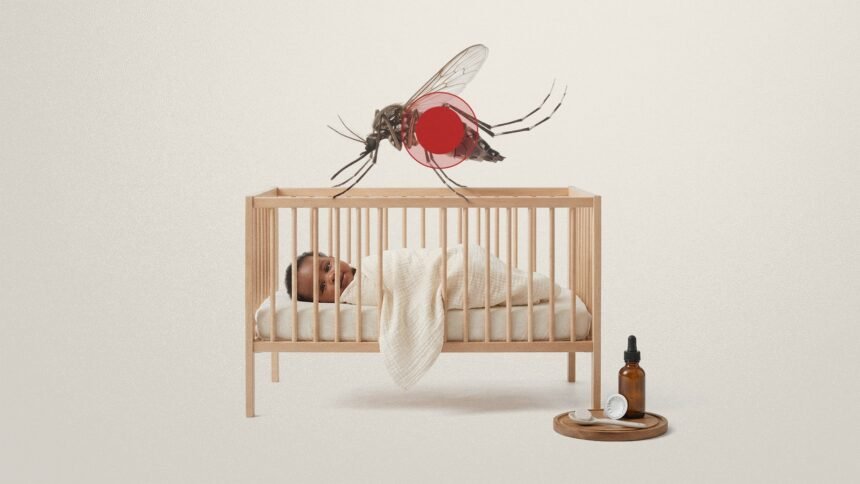
The malaria outlook for Africa in 2026 remains a dual narrative of progress and persistent challenge. While diagnostic precision and mosquito net coverage have improved, the human toll remains staggering. In 2024 alone, the continent recorded approximately 610,000 deaths from the disease, with an estimated three-quarters of these fatalities occurring among children under the age of five. Historical medical misconceptions, specifically the belief that maternal antibodies provide total immunity to newborns, have long obscured the reality of neonatal infection. Current research now indicates that in specific high-burden regions, up to 18% of infants under six months are infected, highlighting an urgent need for specialized interventions that recognize the unique physiological requirements of this age group.
Malaria Vaccination: Synergizing Prevention and Treatment
The integration of next-generation malaria vaccines into national immunization programs is a cornerstone of the current continental strategy. These vaccines, deployed alongside high-efficacy diagnostic tests and insecticide-treated nets, have begun to shift the trajectory of the disease fundamentally. However, medical experts emphasize that vaccination is a preventive measure that accessible, safe therapeutic options must support. The synergy between biological prevention and specialized pharmacology ensures a “continuum of care” that protects children from potential exposure through to the management of active clinical cases, reducing overall mortality in the pediatric population.
Malaria Drug for Babies: Closing the Therapeutic Gap
The most significant pharmacological breakthrough of 2026 is the World Health Organization’s (WHO) prequalification of Coartem Baby, the first antimalarial treatment specifically designed for infants. Developed through a collaboration between Novartis and the Medicines for Malaria Venture (MMV), the drug addresses a critical “therapeutic gap” for newborns as small as 2kg. Composed of artemether and lumefantrine, the treatment is formulated as cherry-flavored tablets that dissolve easily in breast milk or water. This innovation replaces the dangerous historical practice of utilizing crushed adult medications, which carried a high risk of dosing errors, toxicity, and severe side effects. The introduction of this tailored therapy ensures that infants are no longer “falling through the cracks” of the international health system.
AU-WHO Efforts: Multilateral Engineering of Public Health
The success of pediatric malaria control is rooted in the deep coordination between the African Union (AU) and the World Health Organization. These multilateral efforts have been instrumental in streamlining the prequalification process, which serves as a global benchmark for quality, safety, and efficacy. By securing WHO prequalification, Coartem Baby is now eligible for large-scale public-sector procurement, allowing high-burden nations to integrate the drug into their primary healthcare systems. This institutional partnership is focused on ensuring that medical breakthroughs are not restricted to private markets but are made available on a not-for-profit basis to the communities where the need is most acute.
Health Promotion: Bridging Hospital Care and Community Awareness
Effective malaria control requires a robust health promotion strategy that bridges the gap between hospital-level intervention and community-level awareness. In nations like Ghana, where the new neonatal treatment has already been introduced, success stories, such as that of “Baby Wonder”, are utilized to demonstrate the efficacy of early diagnosis and specialized treatment. Pediatricians emphasize that educating parents about the symptoms of neonatal malaria is as critical as the medication itself. By fostering a culture of proactive health-seeking behavior and building confidence in tailor-made infant treatments, health authorities are reducing the delays in care that frequently lead to fatal outcomes for underweight or vulnerable newborns.
Safety & Human Rights: The Ethical Mandate for Pediatric Equity
The provision of safe, age-appropriate medication is fundamentally a matter of human rights and ethical equity. For centuries, the lack of neonatal malaria drugs was a silent crisis that undermined the right to health for Africa’s youngest citizens. The 2026 approval of specialized pediatric formulations represents a global recognition that the lives of infants in malaria-endemic regions are entitled to the same standards of pharmaceutical rigor as those in the Global North. Reclaiming the future of the continent requires a steadfast commitment to this ethical mandate, ensuring that every child, regardless of birth weight or geographic location, has access to the high-quality care necessary to thrive and contribute to the Pan-African renaissance.