





Pan African Digital Unity
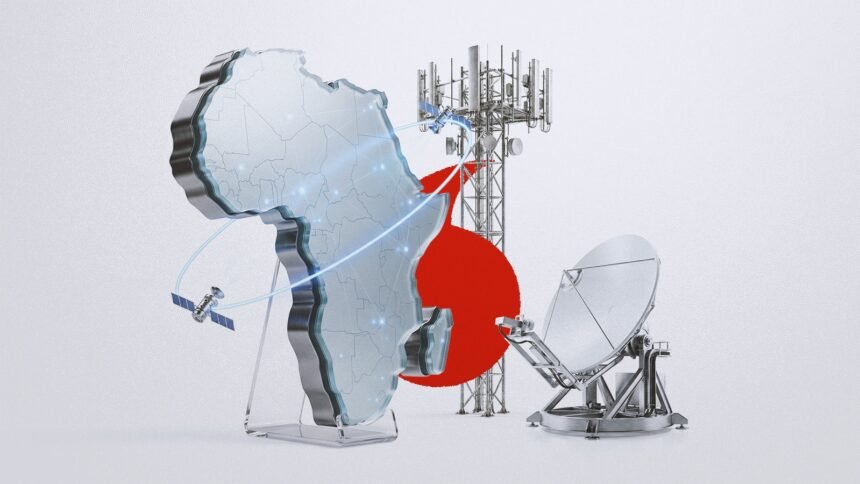
Across Africa’s expansive landscapes, where vast rural expanses have long remained beyond the reach of traditional cables, a new era of continental cohesion dawns through seamless connectivity. The partnership between Vodafone and Amazon’s low Earth orbit satellite network, Amazon Leo, exemplifies this unity, linking remote 4G and 5G mobile masts across Europe and Africa to core networks with download speeds reaching 1 Gbps and upload speeds reaching 400 Mbps. By eliminating the prohibitive costs of fibre deployment in isolated terrains, this initiative accelerates digital inclusion for millions, aligning with the African Union’s vision of an integrated, digitally empowered continent. Through Vodacom, its African arm, Vodafone extends this bridge progressively across eight key markets, transforming geographic barriers into opportunities for shared prosperity. In 2026, as Africa’s youthful population surges toward 1.4 billion, such cross-continental collaborations harness satellite constellations, with over 200 satellites already in orbit and hundreds more launching, to foster intra-African trade, education, and innovation under the African Continental Free Trade Area’s digital economy pillar.
The African Telecommunications Landscape
Africa’s telecommunications sector is a vibrant engine of transformation, driving economic diversification beyond traditional commodities. Mobile subscriptions exceed 1.2 billion, yet internet penetration hovers around 28-29 percent in sub-Saharan regions, with 5G access reaching only a fraction of users despite 53 operators across 29 countries launching commercial services. Rural coverage gaps persist, where fibre remains uneconomical and terrestrial networks struggle against terrain and energy constraints. The sector’s growth, projected at nearly 5 percent annually through 2031, rides on fixed wireless access, 5G standalone networks, and emerging satellite solutions that bypass legacy infrastructure. In East and West Africa alike, operators are investing heavily in network densification, with 5G fixed wireless already serving suburban and industrial areas from Kenya to Nigeria. This landscape, marked by rapid smartphone adoption and mobile money ecosystems, positions telecommunications as the cornerstone of non-oil growth, enabling fintech, e-agriculture, and telemedicine while narrowing the urban-rural divide that has long hindered equitable development.
Vodafone’s Edge in a Competitive Arena
Amid fierce competition, Vodafone, through Vodacom, carves out a distinctive niche by pioneering satellite backhaul for remote sites, differentiating itself from rivals such as MTN, Airtel, and Orange. While MTN leads in median download speeds across multiple markets, Airtel focuses on aggressive site expansion and fintech integration, and Vodafone leverages its global scale and strategic alliances to target underserved hinterlands. Competitors increasingly share towers and spectrum to cut costs, yet Vodafone’s Amazon Leo deployment offers a faster, more resilient alternative to fibre or traditional microwave links. In South Africa and beyond, Vodacom’s 5G leadership in select bands complements this satellite strategy, ensuring superior performance in high-demand urban cores while extending reach where others hesitate to go. This hybrid approach not only enhances network resilience against outages but also positions Vodafone ahead in scalability, as Amazon Leo’s growing constellation enables swift rollout without the capital intensity plaguing terrestrial-only players. The result is a competitive edge rooted in innovation, delivering reliable connectivity that rivals struggle to match in Africa’s most challenging geographies.
Bridging Africa and Europe Through Telecom
The Vodafone-Amazon partnership forges a robust digital corridor between Africa and Europe, evolving beyond traditional undersea cables that form the backbone of intercontinental data flows. While submarine systems carry the bulk of traffic, they remain vulnerable to disruptions and offer limited rural penetration. Amazon Leo’s low Earth orbit technology complements these links by providing high-speed backhaul to dispersed masts, starting in Germany and other European nations in 2026 before scaling through Vodacom in Africa. This Africa-Europe synergy strengthens supply chains, supports cross-border data services, and bolsters resilience amid geopolitical tensions. For African markets, it means faster integration into global digital ecosystems, facilitating remittances, e-commerce, and knowledge exchange. Vodacom’s CEO has emphasised the daily mission to connect more Africans to vital services, underscoring how this bridge accelerates economic interdependence and positions both continents as partners in a multipolar digital order.
Telecommunications as Catalyst for AI Advancement
Telecommunications infrastructure serves as the indispensable foundation for artificial intelligence integration across Africa, unlocking transformative applications in agriculture, healthcare, and finance. High-speed satellite connections from initiatives like Vodafone’s Amazon Leo deployment enable low-latency data flows essential for AI-driven insights, from precision farming in remote villages to predictive analytics in mobile money platforms. As 5G networks expand and satellite-to-cellular technologies mature, operators are integrating AI for network optimisation, fraud detection, and personalised services, accelerating adoption in tech hubs from Nairobi to Lagos. The synergy between robust connectivity and AI not only powers local innovations, such as chatbots in local languages and automated diagnostics, but also attracts investment into data centres and edge computing. In this ecosystem, telecommunications evolves from mere pipes to intelligent platforms, where Vodafone’s hybrid satellite-terrestrial model ensures even the most isolated communities participate in the AI revolution, fostering skills development and closing the digital divide that once marginalised Africa’s potential.
Safeguarding Progress and Sustainable Development
True advancement in telecommunications demands unwavering focus on safety, cybersecurity, and inclusive development to ensure benefits reach every corner of society. The Vodafone-Amazon partnership, by extending reliable coverage, mitigates the risks of digital exclusion while introducing new imperatives for network security against evolving threats such as AI-powered attacks and supply-chain vulnerabilities. Operators across Africa are increasingly adopting post-quantum cryptography and AI-orchestrated defences to protect critical infrastructure amid rising geopolitical risks. Sustainable development flourishes as enhanced connectivity generates employment in tech services, empowers women through mobile entrepreneurship, and supports climate adaptation via real-time environmental monitoring. By prioritising energy-efficient satellite solutions and community-centric rollout, this model aligns with continental goals for green growth and equitable prosperity. As Africa navigates 2026’s opportunities, the safeguarding of digital progress through resilient, ethical telecommunications ensures that connectivity becomes a lasting force for human dignity, economic sovereignty, and a brighter shared future.