
Tanzania is no stranger to tense election seasons, but this year’s cycle has taken a dramatic turn, one that has left observers inside and outside the country wondering how a dispute over results snowballed into one of the largest treason-related cases in recent African political history. As authorities move forward with treason charges against more than 145 people, the streets of Dar es Salaam, Dodoma, Mwanza, and other cities simmer with a mix of confusion, fear, and defiance. What began as a familiar script of contested results and noisy demonstrations is quickly morphing into a defining moment for Tanzanian political life—one that could alter the trajectory of civic engagement, opposition politics, and the already delicate balance between security and civil liberties.
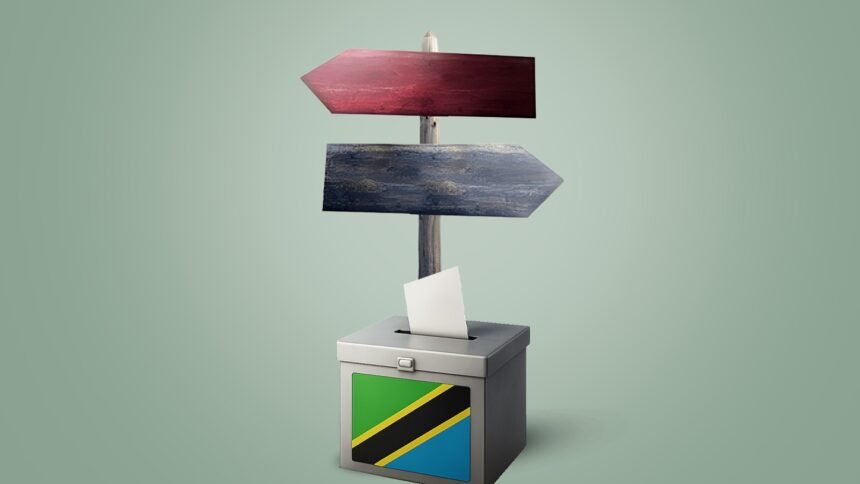
The trouble started immediately after the polls closed. Allegations of irregularities—ballot delays, missing materials, questionable counting procedures, and reports of intimidation—spread across social media within hours. Within days, opposition groups organized rallies that ballooned far beyond party loyalists. Civil-society activists, university students, and even some ruling-party sympathizers began voicing concerns about the credibility of the process. The government dismissed these concerns as “politically manufactured hysteria,” insisting the vote had been free, fair, and final. But the streets told a more complicated story.
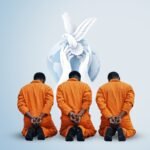
Protests in Tanzania are not new, but the speed and scale with which these demonstrations expanded caught many by surprise. Security forces responded with a heavy hand—deployment of riot police, closure of main roads, and sporadic detentions of protest organizers. But what has truly stunned the nation is the legal leap that followed: more than 145 people have now been charged with treason, an offence that, under Tanzanian law, carries the gravest political and legal implications. It is a charge typically reserved for individuals attempting to overthrow the state, wage war against the government, or conspire with foreign powers. But here it is being applied to protesters, activists, and everyday citizens accused of participating in what authorities describe as a coordinated attempt to “destabilize” the nation.
Critics argue that the definition of destabilization has never been broader—or more politically convenient. Opposition leaders call the charges a deliberate effort to chill dissent and lock up political actors en masse, wiping out mobilization capacity ahead of future electoral cycles. Human rights organizations have issued sharply worded statements warning that the move risks placing Tanzania in the ranks of governments using national security as a blanket justification for stifling political expression. Those close to the accused describe bewilderment: many insist they merely attended a rally, posted a slogan online, or tried to document police behavior on their phones.
Government officials, on the other hand, maintain that the treason cases stem from “hard evidence,” though they have yet to publicly outline the specific alleged plots. In press briefings, spokespeople repeatedly emphasize that the state will not tolerate chaos or coordinated attempts to delegitimize national institutions. They insist that protests crossed into dangerous territory, citing clashes, property destruction, and a handful of arrests involving individuals carrying improvised weapons. But even some analysts sympathetic to the ruling establishment suggest that treason charges are an outsized response—one likely to inflame tensions rather than diffuse them.
What’s unfolding now is a tense standoff between legal procedure and public perception. Courts are beginning preliminary hearings, lawyers are scrambling to represent dozens of detainees at once, and journalists are trying to follow the trickle of information allowed out of custodial settings. The country’s political opposition is in an uncomfortable position—outraged, energized, but constrained. Any miscalculation risks drawing further charges, but silence risks conceding the narrative to the government.
Meanwhile, public sentiment is fractured. Some Tanzanians, tired of economic strain and wary of political upheaval, support the government’s insistence on maintaining order. Others view the treason charges as a frightening indicator of shrinking political space. Social media platforms are buzzing with coded critiques, satirical videos, and solidarity messages, while simultaneously bracing for potential regulatory crackdowns. Many citizens are left wondering whether political participation—even peaceful—has suddenly become a high-risk activity.
Regional actors are watching closely. East Africa has seen its fair share of electoral controversies, but treason charges at this scale remain unusual. Diplomats, rights groups, and regional bodies worry that Tanzania’s handling of the crisis could push the country into an uncharacteristically repressive phase, undermining its reputation as one of the region’s steadier political environments. For international partners, the situation raises uncomfortable questions: how to advocate for political freedoms without appearing to interfere? And how to maintain cooperation with a government deploying some of the harshest legal tools at its disposal to manage dissent?
The coming weeks will be decisive. If the treason cases move forward aggressively, Tanzania could enter a prolonged period of political tension, marked by courtroom battles, international pressure, and deeper mistrust between state and citizen. If the government softens its stance—dropping or downgrading charges, opening dialogue channels, or allowing independent assessments of the election process—there may still be room to repair confidence. But right now, the dominant mood is apprehension.
For now, “Treason Season” remains the talk of the nation—a phrase whispered half in jest and half in fear. Beneath the political drama lies a more fundamental question: is Tanzania entering a new era of political rigidity, or will it find a way to walk back from the edge? How that question is answered will shape not just today’s headlines but the country’s democratic character for years to come.