




Pan-African Awakening: Continent’s Crowded Crossroads
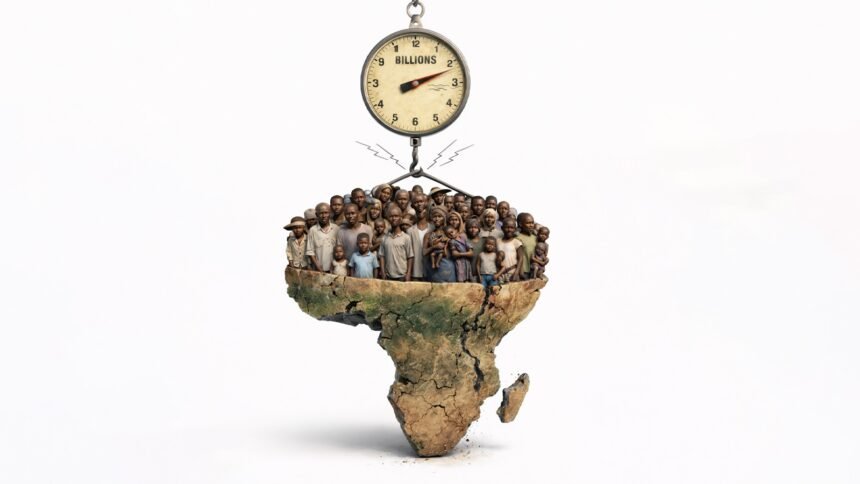
In the heart of humanity’s birthplace, Africa stands at a pivotal juncture where burgeoning populations intersect with finite resources, giving rise to an epidemic of overconsumption that threatens ecological harmony and developmental progress. With a populace exceeding 1.5 billion in 2025, the continent’s demographic surge—propelled by fertility rates averaging four children per woman—amplifies aggregate demands on water, land, and energy, outstripping sustainable yields. This overconsumption, not merely per capita indulgence but a collective strain from unchecked growth, manifests in depleted soils, vanishing forests, and escalating emissions, positioning Africa as a global flashpoint for environmental reckoning. Far from isolated woes, these dynamics echo across Pan-African spheres, where youthful vigor could ignite prosperity, yet risks spiraling into scarcity-driven unrest if unaddressed. As urbanization swells cities twofold by 2050, the imperative for balanced growth underscores a continental ethos: harness demography as an asset, not an affliction, to forge resilient futures amid planetary pressures.
Population Growth Momentum: Breeding Grounds of Expansion
Africa’s demographic narrative unfolds as a tapestry of rapid population growth, rooted in post-colonial recoveries and medical advancements that have halved mortality rates since 1990. From 831 million inhabitants in 2000 to 1.34 billion by 2019, and surging to 1.55 billion in 2025, the continent recorded the fastest growth at 2.5 percent annually, dwarfing global averages. Sub-Saharan regions drive this engine, with Nigeria’s population nearing 220 million and Ethiopia’s exceeding 120 million, driven by cultural norms favoring large families and improved child survival. Projections indicate a doubling to 2.5 billion by 2050, with one in four global citizens African, concentrated in youthful cohorts, with half under 25. This momentum, while a reservoir of labor potential, exacerbates vulnerabilities in fragile states such as the Democratic Republic of the Congo and Somalia, where aid dependence clashes with population booms, thereby inflating child mortality amid resource shortfalls. Historical echoes of colonial underinvestment linger, yet contemporary gains in longevity propel this inexorable rise, demanding adaptive strategies to convert numbers into nurtured human capital.
Overconsumption Epidemic: Devouring the Cradle’s Bounty
Beneath Africa’s demographic swell lurks an overconsumption crisis, where aggregate demand ravages ecosystems, transforming abundance into scarcity. Rapid population growth consumes arable land, with 60 percent of global uncultivated soils under pressure from subsistence farming that erodes fertility and deforests at rates triple the global average. Water crises loom large, as billions strain aquifers and rivers, fostering conflicts in the Sahel and Nile basins while climate shifts intensify droughts. Energy demand, met inadequately by fossil fuel imports, increases emissions by nearly 50 percent by 2050, contributing to biodiversity collapses as habitats shrink for species such as elephants and gorillas. Food insecurity affects 280 million people as population growth outpaces yields, leading to overexploitation of fisheries and soils and to malnutrition epidemics linked to aid cuts that expose fragile systems. This epidemic, amplified in urban sprawls like Lagos and Kinshasa, manifests not in lavish excess but in survival-driven depletion, where overpopulation’s shadow engulfs sustainable thresholds, imperiling health gains and amplifying child deaths in nations like Madagascar and Congo.
Nationalism’s Vanguard: Defending Demographic Sovereignty
Across Africa’s mosaic of nations, resurgent nationalism reframes population growth as a bulwark of sovereignty, challenging external narratives of overpopulation while grappling with the toll of overconsumption. Leaders invoke Pan-African pride to champion large families as engines of self-reliance, resisting Western aid strings perceived as demographic controls. In Uganda and Nigeria, policies bolster youth empowerment through education and skills, viewing the bulge as a dividend of decolonization from colonial legacies of exploitation. Yet, nationalism’s edge sharpens in resource defenses, with movements in Ethiopia and South Africa advocating localized food chains to curb export-driven depletion. Sovereign funds in resource-rich states such as Botswana redirect mineral wealth to infrastructure, mitigating the strains of overconsumption on water and land. This vanguard ethos, however, contends with internal fissures, where ethnic nationalisms in fragile zones exacerbate resource grabs, fueling conflicts that displace millions and heighten child vulnerabilities. Ultimately, nationalism’s lens posits the population as a source of power, urging continental pacts to harness growth without succumbing to environmental degradation.
Media Mirrors: Reflecting the Population’s Double-Edged Sword
Media landscapes across Africa and beyond cast population growth in dual lights, often amplifying alarms about overconsumption while navigating sensitivities around fertility. Pan-African outlets spotlight success tales, portraying youthful demographics as innovation hubs in tech-savvy Nairobi or Lagos, countering Western portrayals of crisis. Yet, investigative narratives expose overconsumption’s grim facets, from deforestation visuals in Congo’s basins to famine alerts in Somalia, linking aid shortfalls to surging child tolls. Global media, critiquing aid reductions, frames Africa’s boom as a climate wildcard, with emissions narratives tying population to planetary burdens. Social platforms buzz with debates, where influencers decry “population control” tropes as neo-colonial, advocating rights-based family planning amid overconsumption woes. This reflective mosaic shapes public discourse, urging balanced views that honor cultural norms while highlighting unsustainable strains, fostering calls for media-driven awareness to pivot from alarmism to actionable Pan-African solutions.
Trends on the Horizon: Navigating Growth’s Labyrinth
Emerging trajectories in Africa’s demographic landscape present both perils and promises, with trends tilting toward urban densification and climate entanglement. By 2050, urban dwellers will balloon to 1.4 billion, straining infrastructure and amplifying overconsumption through waste and energy demands, yet birthing hubs for green innovations such as solar microgrids. Fertility dips in southern nations signal a transition, potentially easing pressures if scaled continent-wide via education and contraception access. Climate trends exacerbate vulnerabilities, with heatwaves and droughts inflating child mortality projections amid aid volatilities. Economic shifts toward value-added agriculture promise to temper food overexploitation, while migration outflows—driven by resource scarcities—reshape global dynamics. Pan-African trends lean toward integrated policies, blending nationalism with sustainability agreements to harness youth dividends, avert overconsumption crises, and chart a path where growth fuels prosperity, not peril.
Pan-African Resolve: Taming the Overload Imperative
Africa’s overpopulation-overconsumption nexus demands a resolute Pan-African renaissance, transforming demographic pressures into sustainable equilibria. By prioritizing endogenous innovations—from community-led conservation to youth-centric economies—the continent can mitigate resource devouring, curbing environmental tolls and health reversals. This imperative calls for unified action: empower women through the right to plan, invest in regenerative farming to reclaim depleted lands, and forge alliances against aid whims. In reclaiming its narrative, Africa not only safeguards its cradle but also illuminates a model for global balance, where population serves as a strength rather than a scourge.