




Pan-African Inflation Landscape: Divergent Realities and Shared Aspirations
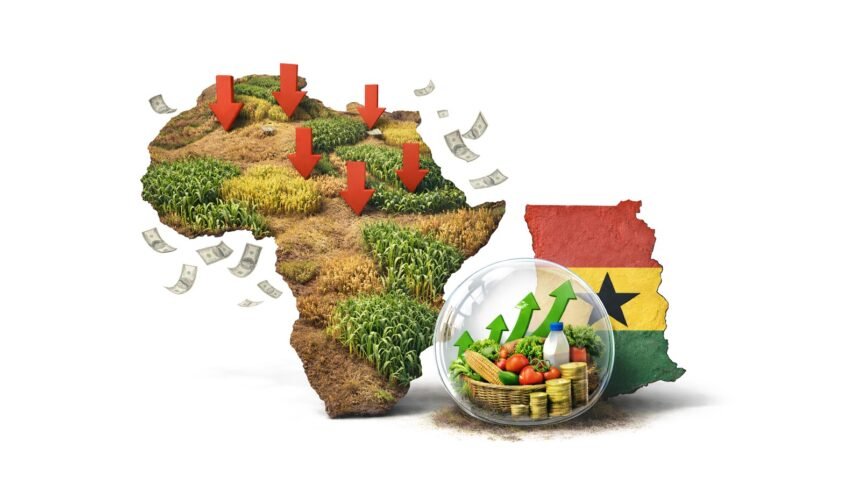
Africa’s economic terrain presents a mosaic of inflation experiences, shaped by structural factors, commodity dependence, and external shocks. While some nations grapple with persistent double-digit or even triple-digit inflation due to political instability, supply disruptions, or fiscal imbalances, others maintain single-digit or even negative rates through disciplined monetary frameworks and currency pegs. Nations in the West African Economic and Monetary Union, such as Niger, Burkina Faso, and Côte d’Ivoire, often exhibit remarkably low or deflationary pressures, benefiting from the shared CFA franc arrangement tied to the euro. Similarly, Morocco and Seychelles have sustained near-zero or mildly negative inflation through prudent fiscal policies and diversified economies. In contrast, countries facing conflict or severe debt challenges endure far higher rates, underscoring the continent’s uneven progress toward price stability.
Interest rate policies mirror these disparities. Central banks in stable environments, such as Botswana and Mauritius, maintain relatively low benchmark rates to support investment and consumption. Higher rates prevail in economies combating elevated inflation, serving as a brake on demand but sometimes constraining growth. This continental variation highlights a common challenge: balancing inflation control with the imperatives of economic expansion, job creation, and poverty reduction in a region where growth must outpace population increases to deliver meaningful development.
Ghana’s Monetary Architecture: Foundations of Discipline
Ghana has positioned itself as a regional exemplar through its inflation-targeting regime, anchored by the Bank of Ghana’s clear medium-term objective of 8% with a symmetric tolerance band of 2 percentage points. This framework empowers the central bank to deploy monetary tools—chiefly the policy rate—to anchor expectations and respond to emerging pressures. The approach emphasizes forward-looking assessments of food prices, exchange rate dynamics, and fiscal developments, allowing proactive adjustments to maintain macroeconomic equilibrium.
Recent actions underscore this commitment. In early 2026, the Bank of Ghana reduced its policy rate significantly, signaling confidence in sustained disinflation and creating space for credit expansion. Such measures reflect a strategic shift toward easing where possible, while safeguarding gains in price stability.
Historical Echoes: Lessons from Ghana’s Inflation Journey
Ghana’s path to current stability is instructive. The nation experienced acute inflationary episodes in the early 2020s, peaking above 50% amid debt distress, currency depreciation, and global commodity shocks. Fiscal consolidation under international support programs, coupled with monetary tightening, proved pivotal in reversing the trend. Inflation descended steadily from those highs, demonstrating the efficacy of coordinated policy responses. These experiences reinforced the importance of fiscal-monetary alignment, exchange rate flexibility, and structural reforms to enhance supply-side resilience.
Contemporary Triumphs: Aligning with Targets and Fostering Growth
Ghana’s recent trajectory illustrates effective management. Headline inflation declined to 5.4% by late 2025, comfortably within the target band and reflecting a multi-month downward trend. Projections indicate continued alignment with the medium-term goal, supported by improved reserves, moderated food and energy prices, and disciplined public spending. Concurrently, economic growth remains robust, with expectations of sustained expansion in 2026 driven by agriculture, services, and emerging industrial contributions.
This dual achievement—price stability alongside strong output—positions Ghana favorably within West Africa and the broader continent, where many economies struggle to reconcile growth with controlled inflation.
Interest Rates as Catalysts: Stimulating Expansion While Guarding Stability
Interest rate adjustments serve as a critical lever in Ghana’s strategy. The recent policy rate reduction creates conducive conditions for borrowing, investment, and consumption without reigniting inflationary pressures. By lowering borrowing costs, the central bank supports private sector activity, particularly in small and medium enterprises, while maintaining vigilance against demand-pull risks. This calibrated approach exemplifies how interest rate policy can bridge short-term stimulus with long-term stability objectives.
Geopolitical Currents: External Pressures on Continental Economies
Geopolitical tensions amplify vulnerabilities across Africa. Conflicts in key regions disrupt global supply chains, elevate energy and food costs, and introduce uncertainty that feeds into domestic price levels. For import-dependent economies, these shocks translate into higher inflation and pressure on exchange rates, often necessitating tighter monetary stances. Ghana, like its peers, navigates these influences through reserve buffers and diversified trade partnerships, yet remains exposed to commodity price volatility and international financial conditions.
Continental Synergies: AU and AfDB Roles in Collective Resilience
The African Union and African Development Bank play indispensable roles in fostering macroeconomic harmony. Through policy coordination, infrastructure financing, and debt management initiatives, these institutions support national efforts to contain inflation and accelerate development. The African Development Bank’s economic outlooks emphasize declining average inflation alongside accelerating growth, while advocating for enhanced domestic resource mobilization and regional integration. Such continental frameworks help member states address shared challenges, from climate vulnerabilities to trade barriers, thereby reinforcing individual achievements like Ghana’s.
Challenges and Resilience: Navigating the Path Forward
Persistent risks remain. Supply-side constraints, climate impacts on agriculture, and fiscal demands pose ongoing threats to price stability. High interest rates in some contexts can dampen investment, while external shocks require agile responses. Ghana’s resilience stems from institutional strength, reform momentum, and adaptive policymaking, enabling it to mitigate these pressures effectively.
Horizons of Prosperity: Ghana’s Trajectory in Africa’s Growth Narrative
Looking ahead, Ghana’s focus on inflation control lays a solid foundation for sustained economic development. With inflation projected to remain near target and growth expected to stay strong, the nation is poised to attract investment, create jobs, and improve living standards. In the Pan-African context, Ghana’s experience offers valuable insights: disciplined monetary policy, aligned with structural reforms and continental cooperation, can transform challenges into opportunities for inclusive prosperity. As Africa advances toward greater integration and resilience, Ghana’s journey illuminates a pathway where price stability and robust growth reinforce each other, contributing to the continent’s broader ascent.