





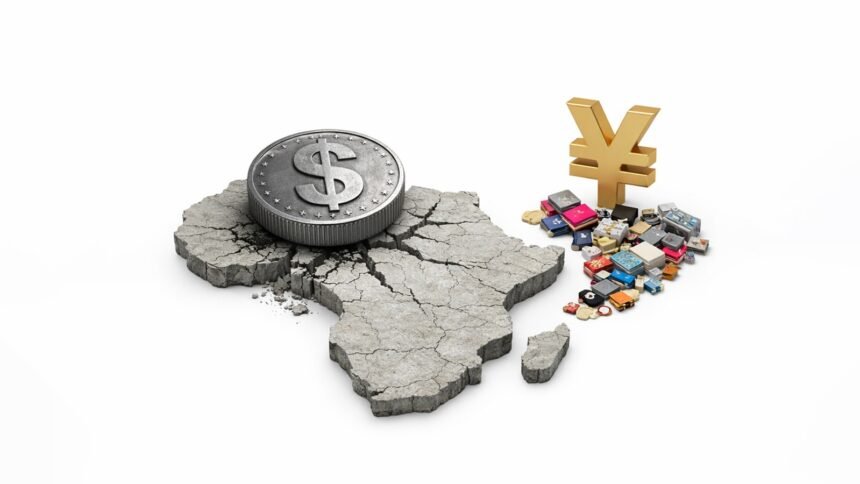
Pan African Resilience: Unified Responses to Global Shifts
Amidst fluctuating global currencies and intensifying economic rivalries, Africa’s collective strategies emerge as vital anchors for stability. The continent’s diverse economies, bound by initiatives such as the African Continental Free Trade Area, navigate the ripple effects of the U.S. dollar’s strength and yuan dynamics. These forces reshape trade patterns, compelling nations to bolster intra-regional exchanges to mitigate external volatilities. Historical dependence on commodity exports is giving way to diversified approaches that emphasize value addition in sectors beyond oil, such as textiles and agro-processing.
Regional blocs play pivotal roles in this adaptation. Southern African Development Community members, for instance, enhance protocols to facilitate the seamless flow of manufactured goods, thereby countering currency-induced price swings. East and West African unions similarly prioritize harmonized monetary policies to reduce exposure to bilateral currency imbalances. This unity fosters resilience, transforming potential disruptions into opportunities for self-reliant growth, where non-oil trade becomes a cornerstone of continental prosperity.
Non-Oil Trade Dynamics: Vulnerabilities and Adaptations
Non-oil sectors, including apparel, agriculture, and light manufacturing, face exchange-rate-heightened pressures from currency rate volatility. A strengthening U.S. dollar increases import costs for African nations that rely on dollar-denominated transactions, thereby squeezing margins for exporters of processed goods. Conversely, yuan depreciation enhances the competitiveness of Chinese imports, flooding markets with affordable textiles and electronics, which undercut local producers.
In Lesotho and Madagascar, garment industries, historically buoyed by preferential access to Western markets, face reduced orders amid tariff escalations, resulting in factory underutilization and job losses. Pivots to regional outlets yield lower revenues, as South African orders fetch only a fraction of US prices. Agricultural exporters in East Africa, shipping fruits and nuts, face heightened competition from redirected Chinese surpluses, which are eroding market shares. Yet, adaptations abound: digital platforms streamline cross-border deals, and value chains in cocoa processing bolster export values, insulating against volatility in raw commodity prices.
USD vs. Yuan Fluctuations: Currency Pressures on Flows
The interplay between the U.S. dollar and the yuan profoundly influences African non-oil trade balances. A robust USD, as observed in early 2026 at near two-week highs, appreciates against African currencies, making exports pricier and imports cheaper in dollar terms. This dynamic exacerbates trade deficits, particularly for nations importing machinery for manufacturing upgrades.
Yuan movements add complexity: Beijing’s tolerance for modest depreciation amid external pressures enhances export affordability, surging shipments to Africa by over 30% in recent periods. Non-oil imports, consumer goods, and intermediates rise, displacing local outputs in sectors such as Kenyan textiles, Volatility peaks during geopolitical tensions, amplifying exchange rate risks and inflating transaction costs. Strategic hedging through yuan-denominated settlements serves as a buffer, stabilizing payments for agro-exporters and reducing dollar dependence.
Economic War Impacts: Tariff Ripples and Diversions
Escalating US-China frictions, manifested in reciprocal tariffs, are redirecting global commerce with pronounced effects on African non-oil sectors. US barriers prompt Chinese firms to reroute surpluses southward, inundating markets with low-cost manufactures and eroding domestic competitiveness. Lesotho’s apparel sector exemplifies this: post-AGOA expiration, 15% detertariffs chill US-bound flows, prompting shifts to undervalued regional trade.
Broader repercussions include depressed global demand for African processed goods, as slowed Chinese growth curbs imports. Non-oil exporters face dual squeezes, higher input costs from yuan fluctuations and competitive pressures from tariff-evading inflows. Yet, opportunities arise: trade diversion fosters intra-African linkages, elevating manufacturing hubs in Ethiopia and Rwanda. Policy responses, including anti-dumping measures, safeguard nascent industries and channel disruptions toward diversified, resilient pathways.
Africa-US vs. Africa-China Balances: Asymmetric Engagements
Trade asymmetries define Africa’s engagements with superpowers, profoundly affecting non-oil sectors. US ties, historically preferential for apparel and agriculture, wane amid protectionism, with exports plummeting 20-30% in affected niches. This contraction threatens livelihoods in labor-intensive industries, prompting reroutes that yield diminished returns.
Conversely, China-Africa volumes soar, with non-oil imports dominating and widening deficits to $60 billion. Affordable Chinese goods bolster consumer access but stifle local manufacturing, as seen in Nigerian textiles. Yuan internationalization eases settlements, yet perpetuates raw export dependencies. Balancing these requires strategic diplomacy: leveraging US investments in value addition while negotiating Chinese tech transfers, fostering equitable flows that enhance non-oil competitiveness.
Development Pathways: Toward Sustainable Trajectories
Currency-driven trade shifts compel Africa toward transformative development models. Non-oil sectors, pivotal for job creation, demand investments in skills and infrastructure to capitalize on emerging niches. Digital innovations and green manufacturing offer avenues to transcend volatility, with agro-industrial zones amplifying export values.
Debt relief mechanisms, tied to yuan restructurings, free fiscal space for productive sectors, alleviating dollar pressures. Regional integration accelerates this, quintupling intra-trade and birthing resilient chains. By 2030, these pathways could increase non-oil contributions and halve poverty through inclusive growth. Africa’s future hinges on sovereign innovation, converting currency challenges into catalysts for affluent, self-sustained economies.