




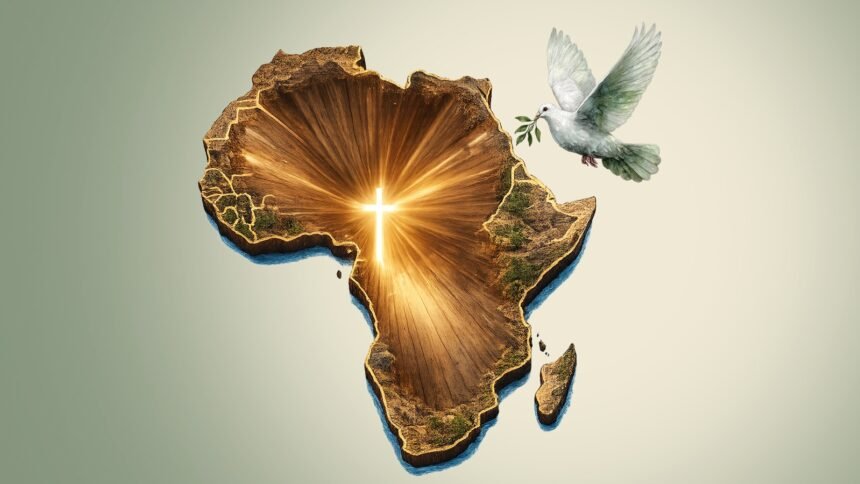
Africa stands as the vibrant epicenter of global Christianity, where ancient roots intertwine with dynamic modern expressions, fostering a faith that resonates with Pan-African resilience and communal spirit. From the cradle of early Christianity in the Nile Valley to the bustling megachurches of contemporary urban centers, Christianity has become a cornerstone of African identity, with over 700 million adherents across the continent. This growth, accelerating since the 20th century, reflects not only missionary legacies but also indigenous adaptations that blend biblical teachings with local worldviews. Recent developments, such as the 2026 establishment of a new Global Anglican Council by conservative leaders in Abuja, underscore Africa’s pivotal role in reshaping worldwide denominations, challenging Western liberal trends, and asserting a biblically anchored orthodoxy. This article compares Christianity in East and West Africa, highlighting historical divergences, theological emphases, and shared commitments to social harmony, all while embracing a Pan-African lens that celebrates unity amid diversity.
Pan-African Unity in Faith: Christianity’s Continental Tapestry
Christianity’s journey in Africa predates many European traditions, originating in the 1st century with apostolic influences in Egypt and spreading southward through trade, migrations, and royal conversions. By the 4th century, Ethiopia’s Aksumite Kingdom had embraced the faith, establishing one of the world’s oldest continuous Christian communities, marked by unique Orthodox practices, such as elaborate liturgies and monastic devotion. In contrast, North Africa’s early vibrancy waned under Islamic expansions, but sub-Saharan regions saw revivals through 19th-century missions, blending European doctrines with African spirituality.
Today, Africa’s Christian landscape embodies Pan-African solidarity, transcending ethnic and national boundaries. With projections estimating 760 million believers by 2025, the continent hosts a mosaic of denominations, from ancient Coptic rites to charismatic Pentecostalism. This unity manifests in cross-regional initiatives, such as ecumenical councils addressing poverty and health crises, echoing shared values of ubuntu, collective humanity, and resistance to colonial impositions. Yet, regional variations persist: East Africa’s emphasis on revivalist fervor contrasts with West Africa’s entrepreneurial church models, both contributing to a faith that empowers communities amid globalization’s challenges.
Christianity in Africa: Historical Currents and Modern Waves
The historical currents of Christianity in Africa reveal a faith resilient against empires and adaptable to diverse cultures. Early waves reached North and Northeast Africa via Roman trade routes, fostering theological giants like Augustine of Hippo, whose writings shaped global doctrine. Medieval isolation in Ethiopia preserved indigenous expressions, while West Africa’s 15th-century Portuguese contacts introduced Catholicism to coastal kingdoms like Kongo, where rulers integrated Christian symbols into traditional governance.
Modern waves surged in the 19th century, as Protestant missions from Britain and America established schools and hospitals, accelerating conversions amid colonial disruptions. The independence era birthed African-led churches that rejected Western paternalism and incorporated local languages, music, and healing practices. Pentecostalism exploded in the late 20th century, emphasizing spiritual gifts and prosperity teachings, appealing to urban youth facing economic uncertainties.
In 2026, Africa’s Christian dynamism is evident in schisms like the Anglican rift, where African conservatives, representing over 75% of global Anglicans, prioritize scriptural authority over progressive reforms. This asserts Pan-African agency, positioning the continent as a theological powerhouse influencing diaspora communities worldwide.
Biggest Churches in Africa: Pillars of Devotion and Influence
Africa’s largest churches serve as pillars of devotion, drawing millions through charismatic leadership and community outreach, embodying faith’s transformative power. The Roman Catholic Church dominates, with over 200 million adherents, its hierarchical structure and sacramental focus anchoring vast networks in countries such as the Democratic Republic of Congo and Nigeria. Dioceses emphasize education and healthcare, fostering social stability.
Protestant giants include the Zion Christian Church in South Africa, which boasts 15 million members and is known for pilgrimage gatherings and an emphasis on prophecy and healing. The Redeemed Christian Church of God, originating in Nigeria, claims 10 million followers, its global branches reflecting West African entrepreneurial zeal. Ethiopia’s Orthodox Tewahedo Church, with 40 million believers, preserves ancient rituals like fasting cycles, linking faith to national identity.
Anglican bodies, such as Nigeria’s Church of Nigeria, with 18 million members, have taken conservative stances, as seen in recent leadership challenges. Pentecostal assemblies like Winners’ Chapel in Nigeria attract urban crowds with prosperity messages, while Kimbanguist Church in Central Africa integrates African spirituality into worship. These institutions not only nurture spiritual growth but also drive Pan-African initiatives in poverty alleviation and peacebuilding.
East Africa Christianity Outlook: Revivals and Ancient Anchors
East Africa’s Christian outlook is defined by ancient anchors and revivalist energies, creating a faith landscape of profound historical depth and communal renewal. Ethiopia’s Orthodox tradition, dating to the 4th century, centers on monastic life and elaborate festivals like Timkat, where processions reenact baptisms, blending biblical narratives with Amharic hymns. This enduring presence resisted Islamic expansion, fostering a national ethos in which faith intertwines with cultural heritage.
The 1920s East African Revival, sparked in Rwanda and spreading to Uganda and Kenya, emphasized personal confession and moral purity, reshaping Anglican and Protestant communities. It birthed movements like the Balokole, promoting lay leadership and ethical living amid colonial upheavals. Today, Pentecostalism is surging in urban hubs like Nairobi, with megachurches offering healing services and youth programs that address social issues such as unemployment.
Recent events, including Rwandan Archbishop Laurent Mbanda’s election to lead the Global Anglican Council, highlight East Africa’s conservative voice in global debates, prioritizing biblical fidelity over Western innovations. This outlook fosters resilience, with churches leading reconciliation efforts post-genocide in Rwanda and peacebuilding in conflict-prone regions like South Sudan.
West Africa Christianity Outlook: Missions and Charismatic Surge
West Africa’s Christian outlook pulses with missionary legacies and a charismatic surge, yielding a vibrant, adaptive faith that integrates local rhythms with evangelical zeal. Portuguese introductions in the 15th century laid early foundations in coastal areas, but 19th-century British and American missions accelerated growth, establishing Methodist and Baptist strongholds in Ghana and Nigeria. These efforts were intertwined with anti-slavery movements, empowering freed communities in Sierra Leone.
The 20th-century Pentecostal explosion, fueled by indigenous prophets, transformed the region. Churches like Nigeria’s Redeemed Christian Church emphasize miracles and prosperity, attracting millions through media-savvy outreach. Anglicanism, robust in Nigeria, reflects conservative values, as evidenced by the 2026 Abuja conference challenging Canterbury’s authority over issues like women’s ordination.
Syncretism persists subtly, blending Christian prayers with traditional healing and enriching worship with Yoruba drums and Hausa choruses. West African Christianity drives social change, combating poverty through education and health initiatives, while navigating tensions with Islam in shared spaces like Senegal. This outlook embodies entrepreneurial spirit, exporting dynamic models to global diasporas.
Interfaith Diplomacy: Bridging Beliefs Across Africa’s Horizons
Interfaith diplomacy in Africa bridges beliefs, fostering alliances amid diversity where Christianity coexists with Islam and African Traditional Religions (ATR). Historical precedents, like Ethiopia’s Orthodox tolerance of Muslim traders, set models for mutual respect. Colonial divides often exacerbated tensions, but post-independence leaders promoted harmony, as in Nigeria’s interfaith councils addressing communal conflicts.
Contemporary efforts include joint initiatives against extremism, with Christian and Muslim leaders collaborating on peace accords in Mali. In East Africa, Ugandan forums unite denominations and ATR practitioners to tackle environmental issues, drawing on shared values like stewardship. West Africa’s Ghana exemplifies coexistence, where festivals blend traditions without friction.
Pan-African bodies like the All Africa Conference of Churches advocate dialogue, emphasizing common ethical grounds such as justice and community welfare. These diplomatic endeavors counter narratives of division, promoting inclusive policies that safeguard minority rights and enhance regional stability.
Coexistence: Harmonizing Faiths in Africa’s Shared Spirit
Coexistence harmonizes faiths in Africa’s shared spirit, where Christianity, Islam, and ATR interweave in daily life, nurturing tolerance and cultural richness. In Senegal, Wolof communities blend Sufi Islam with Catholic influences, celebrating joint holidays. ATR’s emphasis on ancestors complements Christian reverence for saints, reducing conflicts through syncretic practices like shared healing rituals.
Challenges arise in flashpoints like Nigeria’s Middle Belt, where resource disputes ignite religious clashes, yet grassroots movements foster reconciliation via interfaith marriages and education. East Africa’s Rwanda post-genocide model integrates faiths in national unity programs, while West Africa’s Burkina Faso sees churches and mosques partnering on development projects.
This coexistence embodies Pan-African ideals, viewing diversity as strength. By prioritizing dialogue over dogma, African societies cultivate peace, ensuring that faith serves as a unifier rather than a divider and paving the way for collective prosperity.
In Africa’s faithful mosaic, East and West converge in a Pan-African symphony, where historical contrasts fuel future harmonies. As global Christianity shifts southward, the continent’s believers lead with authenticity, bridging divides and illuminating paths of shared devotion.