





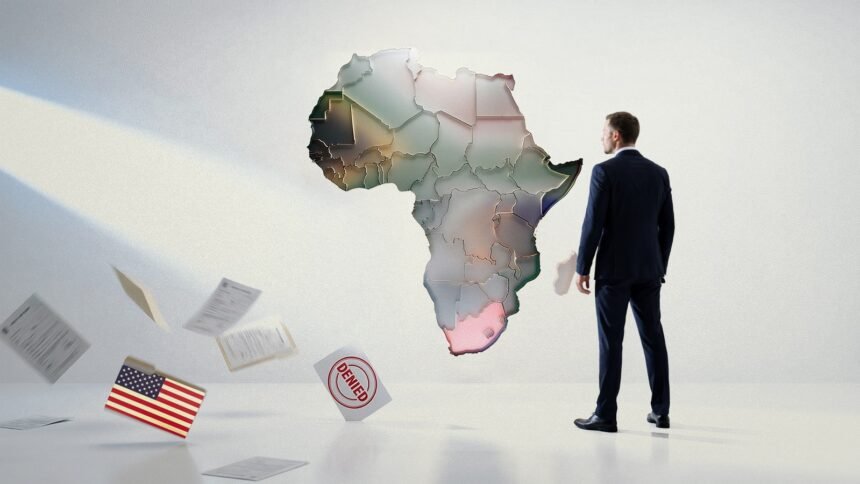
Pan African Resolve: Safeguarding Continental Narratives
Pan Africanism, the clarion call for African self-determination and unity, stands resolute against external distortions that threaten to unravel post-colonial progress. South Africa’s vehement opposition to the United States’ asylum initiative for white Afrikaners embodies this resolve, viewing the program as a calculated intrusion that revives racial hierarchies long dismantled. As Washington ramps up admissions, targeting 4,500 applications monthly despite a 7,500 annual refugee cap, Pretoria’s stance underscores a broader continental imperative: rejecting narratives that privilege minority grievances over collective healing. This fury, voiced by President Cyril Ramaphosa and echoed across African forums, reaffirms Pan-African principles, prioritizing equitable identity over imported divisions.
Bilateral Strain: South Africa-US Relations Under Trump
South Africa-US relations, once anchored in shared democratic ideals and economic synergies, now buckle under the Trump administration’s provocative policies. The asylum push, launched in May 2025 with executive orders framing Afrikaners as victims of “racial discrimination,” has admitted 2,000 by early 2026, with Pretoria’s embassy grounds repurposed for processing amid modular villages. Ramaphosa’s Oval Office encounter, described as an “ambush” with dimmed lights, misleading clippings, and videos, exposed Trump’s “uninformed” lens, equating Afrikaner challenges to apartheid’s atrocities. Pretoria denounces this as interference, raiding a Johannesburg site in December 2025 before a private accord allowed resumption. Tariffs, aid cuts, and refugee prioritization exacerbate strain, positioning South Africa as a bulwark against US unilateralism.
Contested Refuge: Afrikaners Asylum Initiative Scrutinized
The Afrikaners asylum initiative, prioritizing white South Africans amid slashed global refugee slots, draws sharp scrutiny from Pretoria as an affront to national sovereignty. With over 67,000 expressions of interest and monthly targets dwarfing the cap, the program bypasses traditional criteria, focusing on alleged farm attacks and land reforms, claims South Africa dismisses as unsubstantiated. Officials highlight that violence affects all demographics proportionally, not racially, viewing the initiative as amplifying fringe narratives. Ramaphosa’s critique labels it a distortion, ignoring apartheid’s legacy while fostering exodus among affluent minorities. This contested refuge, expedited via embassy trailers, underscores Pretoria’s resolve to counter external meddling, affirming domestic reforms as pathways to inclusive stability.
Racial Reckonings: Race Theory & Pan Africanism Intersected
Race theory, which interrogates power structures inherited from colonialism, intersects profoundly with Pan-Africanism in South Africa’s rebuttal to the asylum drive. Trump’s equation of Afrikaner experiences to Black suffering under apartheid, dismissed by Ramaphosa as “foggy”, revives supremacist tropes, undermining Pan-African efforts to dismantle racial binaries. Pretoria sees the initiative as perpetuating “white genocide” myths, which obscure ongoing inequities faced by Black South Africans. This reckoning amplifies Pan-African critiques, urging continental solidarity against theories that exceptionalize white victimhood. By rejecting such framings, South Africa advances a decolonized narrative in which race theory informs equitable policies, fostering unity over division.
Equity Imperatives: Human Rights & Segregation Policies Revisited
Human rights imperatives, central to post-apartheid South Africa, compel a revisit of segregation policies in the asylum context. Pretoria argues the US program ignores universal protections, selectively humanizing Afrikaners while deporting Black Africans en masse. Ramaphosa’s condemnation as “racist” highlights segregation’s echoes: prioritizing one group’s rights erodes collective equity. Domestic policies, land redistribution, and affirmative action aim to redress apartheid’s scars, not perpetuate harm, countering US distortions. This equity drive aligns with Pan-African human rights agendas, advocating for inclusive frameworks that honor all citizens’ dignity and resisting external policies that resurrect divisive legacies.