





Pan-African Panorama: Debt’s Continental Currents
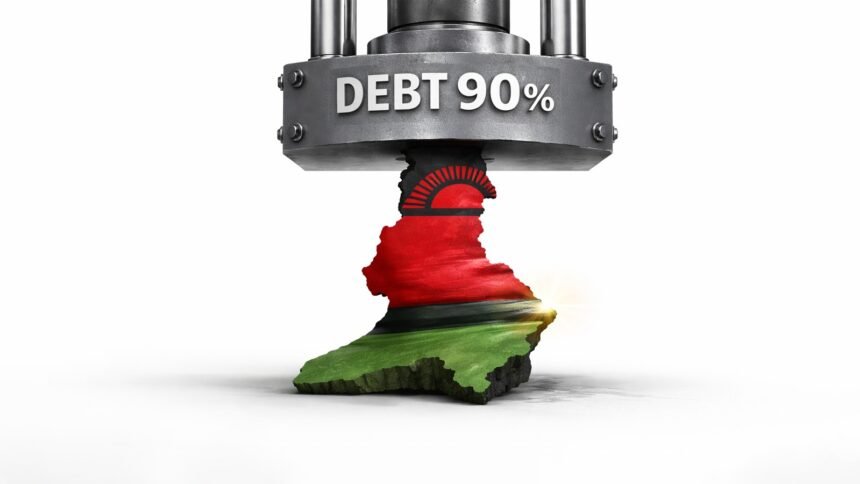
Africa’s debt currents surge relentlessly, with a $90-95 billion external repayment wall in 2026 testing fiscal resilience across a continent where public debt averages 63% of GDP and service obligations consume 15% of revenues, diverting $89-101 billion annually from health, education, and climate adaptation. This panorama reveals shared faultlines: East Africa’s Ethiopia grapples with $28.9 billion amid bondholder lawsuits; West Africa’s Ghana navigates $45 billion post-default, North Africa’s Egypt contends with $27 billion in dues; and Southern Africa’s Malawi now joins the chorus with debt exceeding 90% of output. Yet currents of hope flow through AfCFTA’s projected $650 billion GDP uplift by 2043 and BRICS inflows that offset U.S. tariff ripples. Malawi’s unsustainable levels, 65% domestic debt amid 20%+ inflation since mid-2022, echo the continent’s broader bind: donor dependency collides with reform demands, while Johannesburg’s G20 Compact offers $150 billion in swaps and automatic standstills. In this panorama, Malawi’s dilemma refracts Africa’s collective quest, from vulnerability to vigilant stewardship.
Malawi’s Modest Momentum: Economic Outlook Under Strain
Malawi’s economic outlook advances with modest momentum, projecting 3.8% growth in 2026, yet it is strained under the overhang of debt that threatens stability in this donor-reliant nation. GDP hovers at roughly $15 billion, with agriculture (tobacco, tea) and services anchoring a fragile recovery after years of crises. Inflation, entrenched above 20% since mid-2022, erodes purchasing power, while the fiscal deficit, projected at 11.9% this year, narrows only marginally to 9% next year through tightening measures. Momentum stems from remittances, tourism rebounds, and export diversification, yet debt above 90% of GDP crowds out investment and amplifies rollover risks. Structural reforms, revenue mobilisation, and expenditure discipline offer anchors, but external shocks such as climate-induced droughts and global commodity volatility temper the pace. In this strained outlook, Malawi’s guarded gait signals cautious optimism: sustained IMF engagement and regional integration could lift growth to sustainable heights, transforming modest momentum into enduring uplift.
Debt Divergence: Malawi Today Versus a Decade Ago
Malawi’s debt divergence marks a stark decade-long shift from manageable levels to unsustainable heights above 90% of GDP. Ten years ago, in the mid-2010s, public debt hovered around 60-65% of output, supported by donor inflows and post-crisis stabilisation, with domestic components balanced and external obligations largely concessional. Inflation was tamed below 20%, and fiscal deficits remained contained, allowing space for infrastructure and social spending. Today, the stock stands at 23.9 trillion kwacha ($13.92 billion), with 65% domestic, exacerbated by unreported borrowing, COVID shocks, and governance strains, pushing service burdens to levels that crowd out development priorities. Divergence deepened post-2020: inflation surged above 20%, deficits ballooned, and donor dependency intensified amid global headwinds. This trajectory underscores a reversal, from prudent borrowing to fiscal fragility, demanding urgent restructuring to reclaim the stability of a decade past.
Lenders’ Lens: AfDB Versus IMF in Malawi’s Fiscal Forge
AfDB and IMF’s divergent lenses forge Malawi’s fiscal path, blending regional empathy with global rigour in a high-stakes contest for sustainable relief. AfDB’s lens, rooted in ubuntu solidarity, channels concessional flows through ADF replenishments, prioritising infrastructure, climate resilience, and agricultural modernisation, exempt from harsh haircuts and aligned with Agenda 2063. It’s $47 billion in continental commitments that offer Malawi breathing room for growth-oriented projects without immediate austerity measures. IMF’s lens, conversely, demands binding discipline: fiscal anchors, revenue mobilisation, and expenditure ceilings to curb debt’s rise, as seen in ongoing programme talks. The tension forges compromise, AfDB’s flexible support complements IMF’s credibility-building reforms, yet highlights Malawi’s bind: seeking new IMF backing while navigating domestic debt dominance. In this forge, the lenders’ dual gaze tempers Malawi’s vulnerabilities into a resilient fiscal framework.
Poverty’s Persistent Grip: Unemployment’s Uneasy Equilibrium
Poverty’s persistent grip intertwines with unemployment’s uneasy equilibrium in Malawi, where debt above 90% of GDP exacerbates a cycle that traps millions in vulnerability. Poverty rates hover near 70%, with rural majorities dependent on subsistence agriculture vulnerable to climate shocks, while unemployment, particularly among youth, fuels informal survival and social strain. Debt’s drag diverts resources from job creation and social safety nets, amplifying the fragility of the equilibrium: high inflation erodes wages, fiscal tightening limits public employment, and limited FDI stifles formal opportunities. Yet equilibrium holds tenuous promise, remittances and donor-supported programmes provide buffers, while AfCFTA integration could unlock agricultural exports and rural livelihoods. In this grip, poverty and unemployment demand targeted interventions: debt relief to free fiscal space for skills development and inclusive growth, breaking the uneasy cycle toward equitable equilibrium.
Horizon’s Hope: Future Development Beyond Debt
Malawi’s future development horizons gleam with hope beyond the shadow of debt, where IMF-supported restructuring and AfDB-backed projects could catalyse a sustainable ascent. Horizon’s path envisions 3.8% growth, accelerated by agriculture modernisation, tourism revival, and digital inclusion, freeing resources from debt service for health, education, and infrastructure. Development’s dawn hinges on the success of the IMF programme: fiscal discipline paired with targeted spending to reduce poverty and unemployment. AfDB’s regional lens complements climate-resilient investments, while AfCFTA opens export avenues for tobacco, tea, and emerging sectors. Challenges persist, governance reforms and climate adaptation, but hope endures: debt restructuring creates fiscal space for Vision 2063 alignment, transforming Malawi from donor-dependent to self-reliant. In this horizon, development beyond debt beckons, an equitable, resilient dawn for the Warm Heart of Africa.