




Drought, War and an Aid Appeal That is Less Than Half Funded
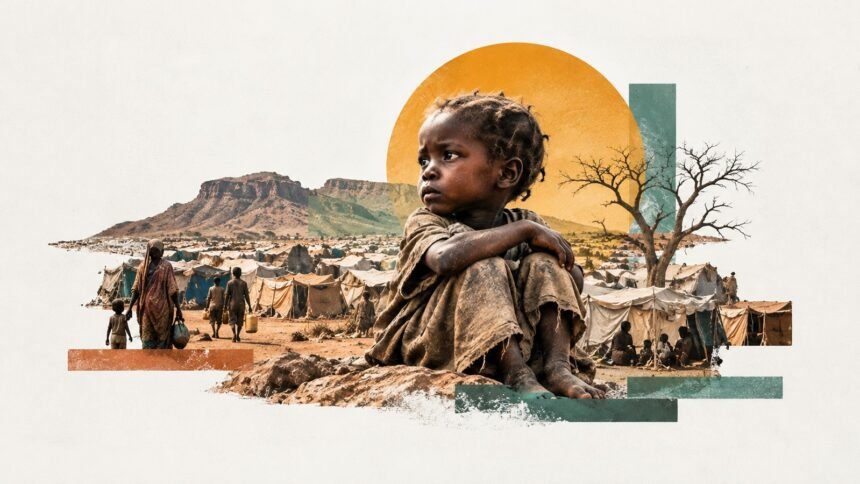
Thirty-eight percent. That is the share of children found with acute malnutrition in one displacement camp surveyed in Eastern Jebel Marra, South Darfur. In a second camp nearby, the figure was 30.8 percent. Both sit above the threshold associated with famine. The numbers come from the Integrated Food Security Phase Classification, the UN-backed global hunger monitor whose members include the World Food Programme and the Food and Agriculture Organization. Its new alert, summarised for a wider African audience on 13 October, warns that famine risk is rising across parts of Greater Darfur and Greater Kordofan as El Niño drought piles onto a war that has already emptied markets and blocked roads.
Across Greater Darfur, 13 of 17 nutrition surveys carried out since January found critical levels of acute malnutrition. In Nyala, the share of children seeking nutrition help who needed treatment for severe acute malnutrition more than doubled between January and August, from five to 11 percent. The IPC’s Famine Review Committee says there is not enough survey data for a full formal famine analysis, but the evidence points to a rapidly worsening catastrophe. “Famine is the collapse of systems,” the committee said. “We are witnessing a humanitarian catastrophe, already of historic proportions.”
WHO, as an IPC member, echoed the alert: conflict, mass displacement, severe drought and inadequate humanitarian funding are driving deterioration across Greater Darfur and Greater Kordofan, including areas already identified as at risk of famine. The agency’s framing matches the field numbers, and underlines that this is not a single-camp anomaly but a regional collapse of food and health systems.
Drought on Top of War
Drought now covers more than half of Sudan, wiping out crops in some areas and leaving families without food or income. In North Darfur, 64 percent of cropland is showing poor plant growth. Rains arrived in late September, too late to save most cereal crops, and cereal prices are very likely to keep rising. Having lost their harvests, many displaced farmers depend on markets and assistance that are themselves under attack.
Kordofan as the Epicenter
Greater Kordofan is described in the alert as the epicenter of Sudan’s conflict. More than 300,000 people have been forced from their homes there since October 2025. Markets have been hit by more than 170 airstrikes, looting incidents, or armed clashes this year. Aid workers face extreme danger: two trucks contracted by WFP came under fire on 2 and 3 October, killing at least one person. Children are going without treatment. As of August, only 26 percent of those expected to need care for severe acute malnutrition with medical complications had received it. Without treatment, as many as two-thirds of them could die.
An Appeal That Is Half Empty
As of 8 October, less than half of Sudan’s humanitarian appeal had been funded. The IPC has called for an end to the fighting, safe and sustained access for aid agencies, especially in North and West Kordofan, and flexible funding on a large scale. Without a major increase in help, it warns, more lives will be at risk. That is not a rhetorical flourish. It is the arithmetic of a country where war closes clinics, and drought closes farms at the same time.
A Continental Pattern of Compounded Shock
Sudan’s crisis is extreme, but the pattern is familiar across Africa’s conflict belts: climate shock landing on top of armed conflict, then meeting a funding shortfall that turns a bad season into mass death. What distinguishes Sudan now is the combination of famine-threshold malnutrition readings in camps, the scale of displacement in Kordofan, and the open admission by the Famine Review Committee that the data system itself cannot keep up with the collapse.
What Would Change the Outcome
Three things would still alter the path: a ceasefire that lets trucks move, sustained access into the worst-affected localities, and money that arrives before the next planting season is lost. Naming the primary actors behind the figures- the IPC, WFP, FAO, and the Famine Review Committee- keeps the claim anchored. The children in Eastern Jebel Marra do not need another alert. They need food, treatment, and a war that stops long enough for either to reach them.