





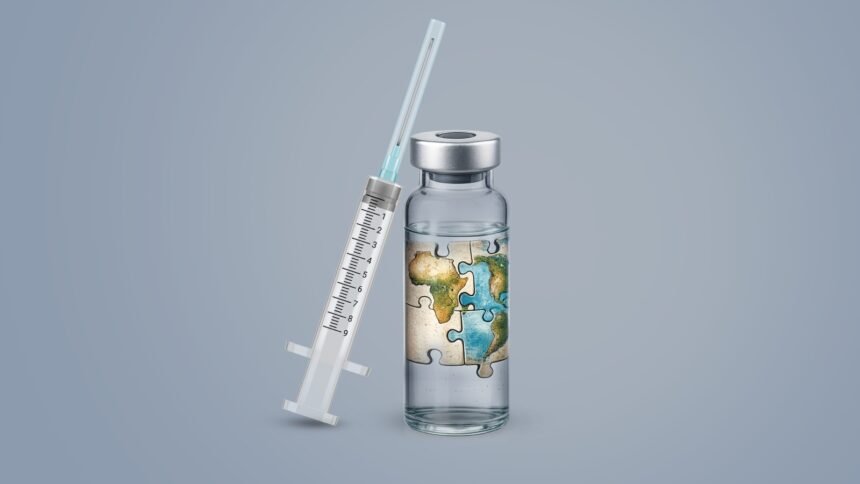
Pan-African: The Collective Shift Toward Biosecurity and Autonomy
Across the African landscape, health system management is increasingly being redefined through the lens of national security and digital sovereignty. The Pan-African struggle in the 21st century has moved beyond the simple acquisition of medical commodities to the protection of the continent’s most valuable intangible asset: its people’s biological and health data. As African nations unify under the mandate of the African Union’s Agenda 2063, there is a growing consensus that the era of unconditional acceptance of foreign aid is transitioning to a “negotiated partnership.” This shift reflects a broader continental commitment to ensuring that global health collaborations do not result in the externalization of sensitive data, but rather contribute to the building of an autonomous and resilient African health architecture.
Africa-USA Health Aid Deals: The Transition to Bilateralism
The landscape of Africa-USA health aid is currently undergoing a radical overhaul as the Trump administration moves away from multilateral funding models toward direct bilateral agreements. This new strategy seeks to consolidate U.S. influence by creating specific health-security partnerships that are often tied to stringent administrative and data-sharing conditions. For many African nations, these deals represent a vital source of funding for the treatment of malaria, HIV/AIDS, and emerging infectious diseases. However, the transactional nature of these new bilateral frameworks has introduced friction, as the requirements for “transparency” and “data access” often clash with the sovereign domestic policies of recipient states.
Africa’s Health Sector Outlook: Innovations and Vulnerabilities
The outlook for Africa’s health sector in 2026 is defined by a rapid integration of digital health technologies and a concerted effort to expand domestic vaccine manufacturing. From the rollout of the Mosquirix malaria vaccine to the establishment of genomic surveillance networks, the continent is more technologically advanced than at any point in its history. However, this progress is shadowed by significant vulnerabilities, particularly the reliance on external financing for large-scale public health programs. The 2026 outlook is characterized by a “duality of development,” in which the pursuit of cutting-edge medical innovation must navigate the persistent challenges of resource scarcity and the complex demands of international donors who increasingly require digital reciprocity.
Data & Privacy Concerns: The Stumbling Block of Sovereignty
The primary stumbling block in recent health aid negotiations has been the requirement for comprehensive data-sharing. In late April 2026, Ghana became the latest nation to reject a proposed bilateral health deal with the United States, citing grave concerns about terms that require the sharing of citizens’ health data. This follows a similar development in Zimbabwe, where a multi-million-dollar aid package fell through due to identical privacy concerns. For African governments, the “data-sharing” mandates are viewed not as administrative requirements but as potential infringements on their populations’ digital privacy. There is a deep-seated fear that, without robust safeguards, sensitive biological data could be exploited by foreign entities for commercial or geopolitical purposes without the consent of the individuals involved.
Sovereignty & Investment: Balancing Aid with National Interest
The rejection of major health deals highlights the delicate balance African nations must maintain between the need for external investment and the preservation of national sovereignty. Ghana’s decision to balk at the U.S. terms suggests that for some emerging economies, the “price” of health aid, in this case, the surrender of data control, is deemed too high. This trend indicates a maturing investment environment where African states are willing to forgo immediate liquidity to protect long-term digital assets. Strengthening sovereignty in 2026 requires the development of robust indigenous data protection laws that withstand the “leveraged” requirements of international aid, ensuring that foreign investment supports national health goals without compromising the rights of the citizenry.
AU-WHO Efforts: Toward a Unified Data Governance Framework
The African Union, in collaboration with the World Health Organization (WHO) Africa office, is leading the push for a unified continental data governance framework. These multilateral efforts focus on establishing standardized protocols for collecting, storing, and sharing health data with international partners. By speaking with a “single African voice,” these bodies aim to empower individual member states in their negotiations with Global North donors. The goal is to move toward a “Global Health Data Compact” that recognizes the sovereign rights of African nations over their biological resources, ensuring that health aid is governed by principles of equity, transparency, and mutual respect rather than unilateral administrative mandates.
The Way Forward: Reimagining the Aid-Data Nexus
The way forward for Africa-USA health diplomacy requires a reimagining of the nexus between aid and data. For these partnerships to remain viable, donor nations must recognize that data is a sovereign resource that requires the same protections as physical territory or mineral wealth. A sustainable future involves creating “blind” data-sharing models that provide the necessary epidemiological insights to donors without compromising individual privacy or national security. Reclaiming the future of African health starts with recognizing that true “aid” should empower national systems to manage their own data, fostering a genuine collaboration in which the health of the population is the primary objective, free from the constraints of digital extraction.