






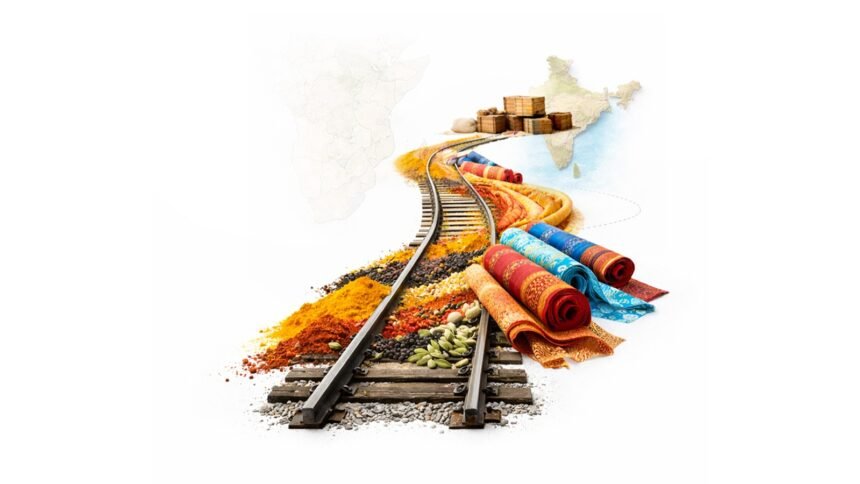
Pan-African Roots: Colonial Arrivals and Enduring Settlements
The story of Indian communities in East Africa begins with the winds of empire, as British colonial ambitions drew laborers and traders from the subcontinent to the eastern shores of the continent. In the late 19th century, the construction of the Uganda Railway recruited thousands of indentured workers from the Punjab and Gujarat, many of whom endured harsh conditions to link Mombasa to Kampala. These pioneers, arriving between 1895 and 1901, laid tracks that not only connected ports to interiors but also forged human bridges across oceans. While some returned home, others stayed, establishing footholds in Kenya, Uganda, and Tanzania, where ancient trade ties, evidenced by Indian merchants in Zanzibar’s spice markets as far back as the 15th century, provided fertile ground for settlement.
Post-World War I, voluntary migrants swelled the ranks, dominating urban commerce in textiles, hardware, and finance. Families like the Singhs, who transitioned from Lahore’s wheat fields to Nairobi’s workshops, exemplify this shift. Vasdev Singh’s 1914 arrival marked the start of a dynasty that blended watchmaking precision with anti-colonial fervor, secretly funding Mau Mau insurgents while serving British clients. By independence in the 1960s, these communities numbered in the hundreds of thousands, their economic prowess a double-edged sword that fueled resentment amid Africanization policies. In Kenya, only a fraction opted for citizenship within the two-year window post-1963, leading to a diaspora exodus; in Uganda, Idi Amin’s 1972 expulsion uprooted 80,000, scattering families to Britain and beyond. Tanzania, with its Zanzibari roots, experienced smoother transitions, although economic nationalization tested its resilience.
Second-generation descendants, born on African soil, navigated these upheavals, often reclaiming citizenship through persistence. By the 1980s, returns accelerated under leaders such as Yoweri Museveni in Uganda, who invited the repossession of assets, transforming exiles into investors. Today, in 2026, these communities, now in their third and fourth generations, embody a Pan-African ethos, their histories intertwined with the continent’s liberation struggles and economic rebirth.
Indian-African Fusion: Cultural Weavings and Identity Hybrids
Cultural blending characterizes the Indian-African experience, in which subcontinental traditions intermingle with Swahili rhythms to create vibrant hybrids. In urban enclaves like Nairobi’s Parklands or Dar es Salaam’s Upanga, Diwali lanterns illuminate alongside Eid feasts, and Bollywood melodies fuse with taarab music in Zanzibar’s stone alleys. Languages evolve too: Kutchi-Swahili dialects pepper conversations, while Punjabi idioms borrow from Kiswahili, reflecting generations raised in multilingual households.
Religious pluralism thrives, with Hindu temples coexisting beside Sikh gurdwaras and Ismaili jamatkhanas, often serving as community hubs for education and charity. The Bohra and Khoja Muslims, tracing roots to Gujarat, integrate seamlessly, their mosques echoing East African architectural motifs. Second-generation citizens, unburdened by immigrant nostalgia, embrace dual identities—celebrating Holi with ugali feasts or incorporating African prints into saris. Figures such as Freddie Mercury, born Farrokh Bulsara in Zanzibar, symbolize this fusion, with his Parsi heritage amplified by global rock stardom.
Yet, endogamy persists in some communities, preserving caste and clan ties, although intermarriage is increasing among younger cohorts, thereby fostering Indo-African lineages. Culinary crossovers abound: chapati meets nyama choma in Kenyan street food, while Zanzibari pilau incorporates Indian spices. These fusions extend to arts and sports, with Indian-Africans excelling in cricket leagues and contributing to film industries that blend masala drama with local narratives. In 2026, cultural festivals such as Nairobi’s Diwali Mela draw diverse crowds, underscoring a harmonious weave that honors origins while remaining firmly rooted in African soil.
East African Pillars: Community Foundations and Generational Anchors
East Africa’s Indian communities stand as pillars of resilience, their structures evolving from colonial trading posts to modern civic institutions. In Kenya, home to approximately 100,000 Indo-Kenyans, organizations such as the Hindu Council and Sikh temples provide social safety nets, funding schools and hospitals that benefit all ethnic groups. Recognized as the 44th tribe in 2017, they symbolize official integration, with second-generation citizens leading in politics and philanthropy.
Uganda’s 30,000-strong community, rebuilt post-expulsion, clusters in Kampala and Jinja, where family enterprises in sugar and textiles anchor local economies. Museveni’s policies have empowered returnees, many now Ugandan-born, to reclaim and expand legacies disrupted in 1972. Tanzania’s 60,000 Indian-Tanzanians, concentrated in Dar es Salaam and Zanzibar, maintain networks through chambers of commerce, blending trader guilds with community halls like Karimjee, now a parliamentary seat.
Generational shifts are evident: elders like Ravinder Singh preserve crafts in Nairobi workshops, while grandchildren pursue engineering, eyeing global brands. Diaspora associations bridge gaps, organizing youth programs that instill pride in African citizenship. In 2026, these pillars support not just their own but broader societies, with initiatives in healthcare and education fostering inclusive growth.
Trade Currents: Economic Streams and Mutual Prosperities
Economic vitality pulses through these communities, channeling trade currents that enrich East Africa. From colonial shopkeepers to contemporary tycoons, Indian Africans dominate retail, manufacturing, and finance, contributing disproportionately to GDP. In Uganda, they account for 65 percent of tax revenues despite comprising less than 1 percent of the population; in Kenya, they own vast real estate and industries; in Tanzania, they helm conglomerates in beverages and mining.
Second-generation entrepreneurs, fluent in local markets, innovate across sectors—tech startups in Nairobi’s Silicon Savannah, eco-tourism in Zanzibar, agribusiness in Kampala. Remittances and investments flow bidirectionally: Kenya’s 2025-2030 Diaspora Investment Strategy targets Indian-origin Kenyans abroad, boosting inflows by billions. Recent agreements, such as India’s 2025 economic outreach to Kenya, strengthen these ties, including joint ventures in pharmaceuticals and renewables.
Challenges persist, perceptions of exclusivity occasionally fuel tensions, but mutual benefits prevail. Indian-African firms employ thousands, transfer skills, and drive intra-African trade via AfCFTA corridors. In 2026, amid global uncertainties, these currents sustain regional stability, turning historical advantages into shared prosperities.
Cross-Culture Flows: Social Intersections and Harmony Challenges
Social integration manifests in everyday practices, in which Indian Africans navigate the intersections of heritage and host societies. Schools and neighborhoods bring together diverse ethnicities, with second-generation youth forging friendships that transcend origins. Political participation is increasing: Indo-Kenyans hold parliamentary seats, Ugandan-Indian MPs advocate for business reforms, and Tanzanian figures such as Mohammed Dewji influence policy.
Yet harmony is hindered, and historical resentments stemming from economic disparities occasionally erupt, as in Uganda’s 2017 riots. Cultural preservation, while enriching, can isolate; however, initiatives like interfaith dialogues and mixed sports clubs promote unity. Women’s roles are evolving, with Indian-African women leading NGOs and enterprises, blending sari elegance with African assertiveness.
In 2026, digital platforms amplify voices, with podcasts and forums sharing diaspora stories that foster empathy. These flows, though uneven, weave a social fabric where differences enhance rather than divide, embodying a cross-cultural ethos vital to East Africa’s multicultural mosaic.
Globalism’s Horizon: Forward Visions and Strategic Synergies
As globalism reshapes horizons, East Africa’s Indian communities position themselves as bridges to broader worlds. As India’s strategic autonomy shapes its ties with Africa, as evidenced by 2025 summits and trade deals, these groups facilitate synergies ranging from technology transfers to cultural exchanges. Kenya’s diaspora strategies and Tanzania’s investment hubs draw on Indian-African expertise, projecting a doubling of remittances by 2030.
Future visions include sustainable ventures: green energy partnerships in Uganda, AI hubs in Kenya, and heritage tourism in Zanzibar. Younger generations, globally mobile yet locally rooted, envision hybrid futures, perhaps reviving traditions such as the Singhs’ watchmaking in digital forms. Challenges like climate migration and geopolitical shifts loom, but resilience prevails.
In 2026, amid multipolar dynamics, these communities embody globalism’s promise: a horizon where Pan-African solidarity meets Indian ingenuity, forging equitable paths ahead.


