






Pan African Ripples: Regional Instability and Electoral Perils
The recent surge in military confrontations within South Sudan, marked by opposition advances and government counteroffensives, resonates across the Pan-African landscape, where internal conflicts often spill over to undermine democratic processes. As the continent anticipates a slate of 2026 elections, from Ethiopia’s high-stakes consolidation to Uganda’s contested renewal, South Sudan’s fragility highlights how localized escalations can derail transitional aspirations. Sudan’s neighboring civil war already exacerbates tensions through refugee flows and proxy accusations, intertwining with South Sudan’s ethnic divisions to threaten stability. These dynamics underscore a broader truth: unchecked military action not only deepens humanitarian crises but also erodes the foundations for credible polling, potentially inviting continental interventions to avert wider chaos.
South Sudan Fractures: Renewed Clashes and Humanitarian Toll
South Sudan’s internal fractures have deepened with the latest wave of violence, pitting opposition forces against government troops in key regions like Jonglei and Unity states. Clashes intensified in late December 2025, with airstrikes and ground assaults displacing thousands and straining already fragile communities. The opposition’s capture of strategic towns has prompted evacuations and inter-communal skirmishes, while accusations of ceasefire violations fly between factions. This unrest, occurring amid economic hardships and climate-induced floods, amplifies vulnerabilities, displacing populations and disrupting livelihoods essential for electoral participation.
SPLM/IO vs. SPLM/IG Hostilities: Factional Advances and Retaliations
The rivalry between the Sudan People’s Liberation Movement/In Opposition and the Sudan People’s Liberation Movement/In Government has erupted anew, with opposition commanders ordering advances following battlefield successes. The capture of Pajut in northern Jonglei positioned opposition troops nearer to Bor, prompting directives to converge on the capital from multiple fronts to dismantle the perceived obstructive regime. Government responses, including reinforcements and aerial bombardments, have escalated the cycle, echoing earlier breaches of the 2018 accord. These hostilities, fueled by unresolved power-sharing disputes and treason allegations against key figures, risk fragmenting alliances and prolonging instability.
Elections Shadows: Delays and Legitimacy Threats
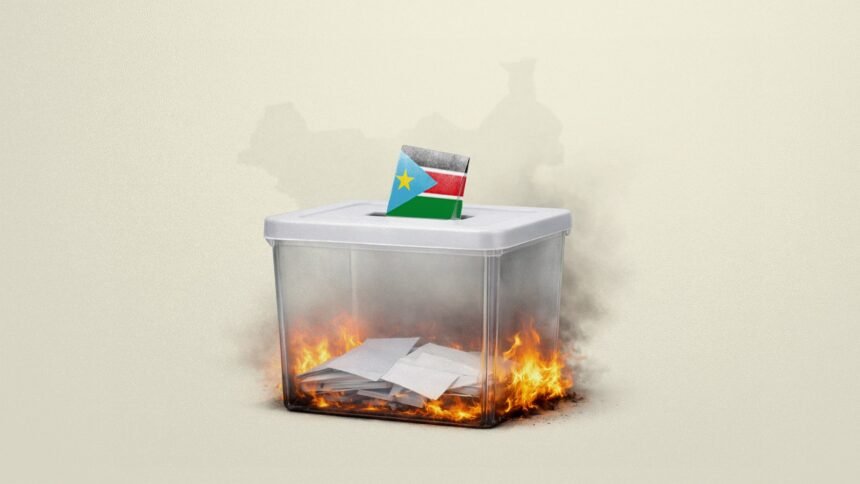
The 2026 elections, envisioned as a milestone for post-independence legitimacy, now hang precariously amid the violence. Preparatory milestones, voter registration, census completion, and security reforms, stall as resources divert to military fronts, displacing potential voters and eroding institutional readiness. The opposition’s bold rhetoric signals potential boycotts or disruptions, while government crackdowns raise fears of manipulated outcomes. This volatile backdrop threatens to postpone polls yet again, undermining the transitional framework and inviting accusations of illegitimacy.
Military Operations Fallout: Operational Gains Versus Electoral Losses
Opposition military operations, while yielding territorial gains, inflict severe fallout on electoral prospects by intensifying displacement and insecurity. Advances in contested areas like Duk County have triggered mass evacuations into swamps and border zones, complicating voter outreach and heightening risks of fraud or exclusion. Government retaliatory strikes, condemned for indiscriminate impacts, further erode public trust, potentially sparking widespread unrest that could render polling infeasible. These operations, amid calls for regime change, highlight how tactical victories may ultimately sabotage the democratic transition, perpetuating cycles of violence over viable governance.


