






Pan-African Fractures: Reimagining Conflict in a Divided Continent
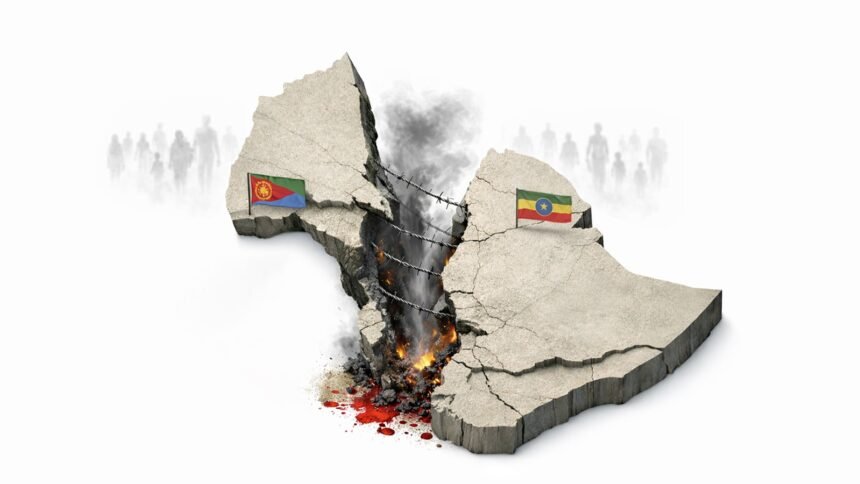
In the shadowed corridors of Africa’s decolonization, the Horn stands as a stark testament to the fragility of post-colonial unity. Civil strife here transcends mere territorial squabbles, embodying a profound rupture in the Pan-African dream of collective sovereignty. The protracted entanglement between Eritrea and Ethiopia, from the armed uprising of 1961 to the border clashes of 1998-2000, and the lingering echoes in recent Tigray upheavals, reveal how inherited borders—arbitrary lines etched by imperial cartographers—fester into existential battles. These conflicts challenge the very ethos of African solidarity, where liberation fronts once invoked Nkrumah’s vision of continental federation, only to splinter under the weight of ethnic particularism and state fragility. Far from isolated incidents, they reflect a broader continental malaise: the tension between unified aspirations and the centrifugal pull of local grievances, in which armed groups emerge not as aberrations but as architects of alternative polities, reshaping social fabrics through coercion and conviction.
Ethiopia’s Shadow: Imperial Echoes and Centralized Dominion
Ethiopia’s historical self-conception as an uncolonized bastion has long cast a domineering pall over the Horn, fueling narratives of entitlement that blur the line between guardianship and subjugation. The 1962 annexation of Eritrea, ostensibly under the guise of a UN federation dissolved without mandate, exemplified this imperial residue—a bold erasure of Eritrean autonomy that ignited three decades of resistance. Under the Derg’s Marxist yoke from 1974 onward, Ethiopia’s response to insurgency morphed into a symphony of repression: scorched-earth campaigns, forced villagizations, and aerial bombardments that displaced thousands and scorched the social terrain. These tactics, bolstered by Soviet armaments, aimed to reassert the Amhara-centric monopoly on violence, yet they inadvertently galvanized a mosaic of ethnic dissent, from Tigrayan stirrings to Oromo undercurrents. In this centralized vice, Ethiopia’s state apparatus—rigid, extractive, and prone to ethnic favoritism—sowed the seeds of its own fragmentation, transforming internal challengers into regional flashpoints and underscoring how unchecked dominion breeds not stability, but a cascade of retaliatory disorders.
Eritrea’s Forge: Liberation’s Double-Edged Blade
Eritrea’s odyssey from federation to independence forged a national ethos tempered in the crucible of protracted guerrilla warfare, in which diverse ethnic groups—nine linguistic groups woven into a singular defiance—crystallized against Ethiopian overreach. The Eritrean Liberation Front (ELF), formed in 1961 within Cairo’s exile circles, initially articulated the aspirations of lowland Muslims. Still, its fractious clans clashed with the more disciplined Eritrean People’s Liberation Front (EPLF), led by the indomitable Isaias Afwerki. The EPLF’s ascent in the 1970s, marked by ideological rigor and self-reliant logistics—from diaspora levies to commandeered trade arteries—exemplified insurgent ingenuity, establishing proto-state enclaves with courts, clinics, and cooperatives that outshone imperial neglect. Yet this forge bore scars: internal purges to excise rivals, and a martial culture that, post-1991 independence, ossified into authoritarian sinews. Eritrea’s model—autarkic, militarized, and wary of pluralism—mirrors the liberation paradox: movements that master warfare often falter in peacetime governance, thereby perpetuating a vigilant state in which national cohesion masks simmering dissent.
Inferno of the Highlands: Warfare’s Calculus and Carnage
Warfare in the Eritrean-Ethiopian theater unfolded as a grim calculus of attrition, in which asymmetric tactics met symmetric savagery, eroding the distinction between combatant and civilian. Insurgents honed hit-and-run ambushes on Derg convoys and sabotaged Asmara’s arteries, not for territorial conquest but to unmask state impotence. This psychological siege swelled the ranks of the EPLF amid Ethiopian reprisals. The Derg’s doctrine, echoing counterinsurgency grimoires from Algeria to Vietnam, unleashed indiscriminate fury: mass executions in liberated zones, napalm on highland hamlets, and relocations that herded peasants into barren “strategic hamlets,” breeding famine and radicalization. This spiral—where state terror birthed insurgent resolve—extended into the 1998 Badme flare-up, a mechanized bloodletting that claimed over 100,000 lives and scarred borderlands with minefields and mass graves. Violence here was not episodic but structural, a tool for identity inscription and resource predation, revealing how war’s inferno consumes not just bodies but the moral architecture of societies, leaving embers that reignite in proxy battles such as Tigray’s 2020 inferno.
Algiers’ Mirage: Border Pacts and Broken Oaths
The Algiers Agreement of 2000, inked amid the war’s rubble under Algerian auspices, promised a cessation of hostilities and an independent boundary commission to adjudicate the festering frontier. Ratified with fanfare—complete with cessation protocols and UN peacekeeping mandates—it enshrined the inviolability of colonial borders, a nod to the Organization of African Unity’s foundational taboo against irredentism. Yet this pact proved illusory, undermined by Ethiopia’s rejection of the 2002 Eritrea-Ethiopia Boundary Commission’s verdict, which awarded Badme and swathes of contested territory to Asmara. For two decades, “no war, no peace” prevailed: demilitarized rhetoric belied trenchant glares, economic sanctions on Eritrea, and covert meddling in each other’s ethnic cauldrons. The 2018 thaw under Abiy Ahmed—crowned with a Nobel Prize—reignited hope, but recent saber-rattling and Eritrea’s IGAD exit in 2025 expose the accord’s hollowness. Algiers endures as a spectral benchmark, reminding us that pacts forged in exhaustion crumble without enforcement, perpetuating a diplomacy of deferral in which borders are not lines on maps but live wires of unresolved grievance.
Veins of Peace: Alliances Forged and Frayed in Blood
Amid the Horn’s tempests, fleeting alliances have glimpsed peace’s contours, only to fray under mutual suspicion and external machinations. The EPLF-Tigray People’s Liberation Front (TPLF) pact against the Derg in the 1980s—united by shared highland languages and anti-Amhara fervor—toppled Mengistu in 1991, giving rise to two states from revolutionary solidarity. Yet linguistic kinships soured into enmity: the 1998 war pitted former comrades in a fratricidal border scrum, while Tigray’s 2020 uprising drew Eritrean ire, with Asmara’s forces bolstering Ethiopian federal lines against TPLF “insurrectionists.” These veins of collaboration—pragmatic pacts against familiar foes—highlight ethnicity’s double bind: a bridge for mobilization, a chasm for betrayal. In broader Pan-African strokes, such entanglements underscore the peril of ideological matrimonies, where liberation’s heirs, scarred by shared trenches, trade brotherhood for border feuds, leaving peace as an elusive artery clogged by historical sediment.
Unrest’s Reckoning: Authoritarian Legacies and Continental Reckonings
The aftershocks of Eritrea-Ethiopia’s strife ripple into an era of political unrest, where wartime apparatuses morph into peacetime tyrannies, and unresolved traumas fuel continental contagions. Post-independence Eritrea, under the EPLF’s transformation into the People’s Front for Democracy and Justice, enshrined a one-party system: indefinite conscription, silenced dissent, and a cult of martial self-reliance that stifles pluralism. Ethiopia, too, grapples with the Derg’s ghosts—ethnic federalism birthed under the TPLF devolved into Abiy’s centralizing purge, igniting Amhara and Oromo infernos that echo Eritrean purges of the past. These regimes, masterful at coercion yet maladroit at consent, perpetuate a cycle where violence begets order, but order devours liberty. For Pan-Africa, the reckoning demands transcending this inheritance: fostering hybrid governance that honors the equity of liberation without its authoritarian husk. As Tigray’s wounds fester and portentous provocations mount in 2025, the Horn beseeches a paradigm unbound by vengeance—a peace woven from mutual vulnerability, where states serve as stewards, not sovereigns, of their peoples’ shared horizon. Only then might the cycle yield to convergence, honoring the continent’s unbroken thread of resilience.


