




Discover how Africa’s bold Great Green Wall Initiative is confronting desertification – with Chad planting over 1.5 million trees amid conflict, and youth driving the future. An exclusive interview with Abdulhamid Tahir Hamid, President of the African Union Great Green Wall Youth Advisory Board, reveals the game-changing strategy.
The African continent faces significant environmental, social, and economic challenges, most notably desertification, which directly affects food security, livelihoods, and the future of millions of people in the Sahel and Sahara region. In this context, the Great Green Wall Initiative in Africa was launched as an ambitious continental project to create a belt of forests and green spaces stretching from the Atlantic coast in the west to the Horn of Africa in the east, transforming vast areas of degraded land into productive, sustainable land.
Under the auspices of the African Union, in collaboration with African governments and international partners, the initiative was established as a flagship program during the ordinary Session of the Assembly of Heads of State and Government of the African Union in January 2007 in Addis Ababa, Ethiopia. It represents the African Union’s strategic vision to address the effects of climate change and Combat desertification. Support economic and social development, protect the environment, and support affected local communities.
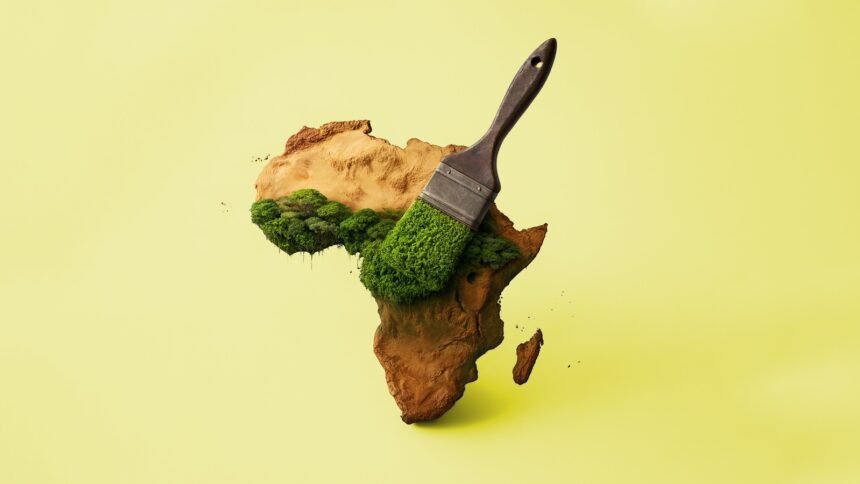
The initiative aims to restore 100 million hectares of degraded land across 11 countries, sequester 250 million tons of greenhouse gas emissions, and create 10 million green jobs by 2030.
Through this initiative, member states seek to cultivate tree and shrub species adapted for local conditions, increase agricultural production, and improve food security. This supports local communities that depend on land restoration, thereby improving their socioeconomic conditions and creating job opportunities for youth and women.
The project is expected to help mitigate the effects of climate change. Reduce carbon emissions and increase the land’s capacity to absorb carbon. It will also help restore natural habitats, preserve wildlife, and support biodiversity in the Sahel region. The degradation of arable and grazing land is both cumulative and qualitative, leading to a decline in soil productivity and vegetative cover. This, in turn, triggers social impacts such as the displacement of pastoral and farming communities in search of alternative income sources, making them highly vulnerable to the direct effects of climate change and land degradation.
The initiative initially focused on 11 core countries: Senegal, Mali, Mauritania, Burkina Faso, Niger, Chad, Sudan, Eritrea, Ethiopia, Djibouti, and Nigeria. These countries decided to create a regional authority dedicated to the initiative, the Pan African Agency of the Great Green Wall (PAGGW), based in Nouakchott. PAGGW’s role is to coordinate actions, harmonize interventions, and support resource mobilization across the region. Over time, the Great Green Wall vision has expanded to include more than 25 African countries, including South Sudan, Kenya, and Uganda, among those expressing interest in joining and aligning with the continental strategy.
The new African Union strategy for the Great Green Wall and its Ten-Year Implementation Framework (2024-2034) promotes an integrated, comprehensive approach to land restoration and climate-resilient development across African Union member states. To reach the goal of restoring 100 million hectares of land, countries must, on average, reclaim 8.2 million hectares each year, requiring an estimated annual investment of around US$4.3 billion. The initiative also aims to create 10 million green jobs in rural and peri-urban areas, linking environmental recovery to livelihoods and social stability.
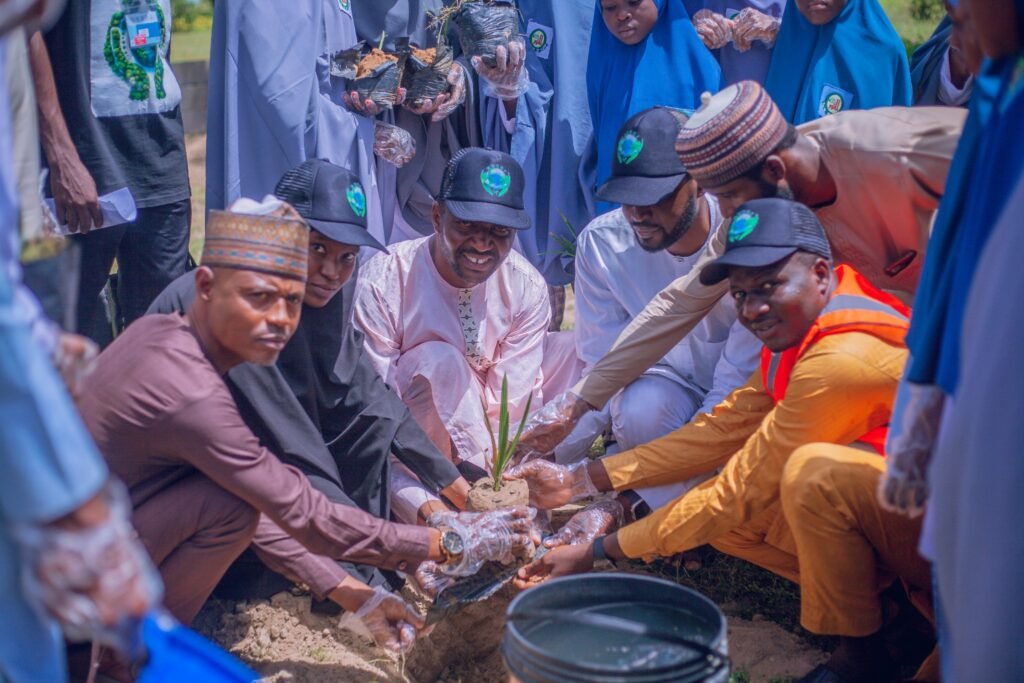
According to the Food and Agriculture Organization of the United Nations, roughly two-thirds of the African continent is classified as a desert or dryland. Climate change has led to more frequent and prolonged droughts, while intensive agriculture, overgrazing, and unsustainable wood harvesting have all contributed to land degradation. Deforestation has also transformed once fertile areas into degraded land in many regions.
Speaking at the 2013 UN Forum on Forests, Senegalese forestry expert Ndiawar Dieng emphasized that Africans recognize their responsibility for restoring their own landscapes and must take the initiative to rebuild their ecosystems. He also underlined Senegal’s determination to do everything within its power to address the problem of desertification and Tree planting. He noted that it can provide a barrier against desert winds and help retain moisture in the air and soil, thereby supporting agriculture and rural livelihoods. Such green barriers are also expected to reduce erosion, enhance biodiversity, and strengthen countries’ resilience to climate change.
Great Green Wall Accelerator
To help close the financing and coordination gaps, the GGW Accelerator was launched in 2021 at the One Planet Summit in France. This Multilateral platform is designed to improve alignment, coordination, and funding among member states and partners. The Accelerator aims to mobilize 16 billion euros over 4 years (2021-2025) to support the restoration of 10 million hectares of degraded land, sequestration of 250 million tons of carbon, and the creation of 10 million green jobs. It helps identify available funding, address project impacts, and track progress, thereby improving coordination among governments and other stakeholders.
One outcome of the One Planet Summit was significant commitments from the World Bank, the African Development Bank, the European Union, and others. By late 2024, more than half of these pledged resources had reportedly been committed or disbursed, primarily to scale up existing projects. However, reports in 2025 indicate that progress still lags the initiative’s 2030 goals, due in part to fragmented implementation, institutional bottlenecks, and political and security challenges in several Sahel and Sahara countries.
Local Efforts in the Countries: Chad’s Frontline Role
Chad occupies a pivotal position in the Great Green Wall initiative, given its location at the heart of the Sahel and the severe environmental pressures posed by desertification and recurrent drought. Chad’s efforts under the initiative include planting more than 1.5 million seedlings of various species – such as acacias and fruit trees – which help improve soil structure, combat erosion, and support local incomes. Local communities, particularly women’s associations and youth cooperatives, are actively involved in planting, nurturing, and monitoring trees, as well as in broader sustainable land management practices. Environmental education programs integrated into schools are helping to raise awareness among younger generations about the importance of conservation and climate resilience. Chad also works with international partners to strengthen funding, technical expertise, and long-term sustainability of these projects.
The Ouaddaï region in eastern Chad is often highlighted as a compelling example of progress under the Great Green Wall, despite ongoing security and environmental challenges. There, local communities have helped plant and maintain roughly 1.5 million seedlings to rehabilitate degraded land and enhance vegetation cover. By contrast, the Kanem region, located on the northeastern shore of Lake Chad, illustrates what some observers call a “land of double drought”: the combined impacts of Lake Chad’s dramatic surface-area shrinkage and the encroachment of desert conditions into croplands and grazing areas. These severe environmental changes have left around two million people vulnerable to hunger, displacement, and resource-related conflict, making Kanem a priority area for restoration and resilience interventions.
Chad seeks to transform these challenges into opportunities for environmental cooperation and innovation by engaging local communities – and especially women – in reforestation, agroforestry, and land reclamation efforts. Women’s participation in environmental action is a cornerstone of the national strategy, reflecting their central role in rural economies and community life.
As a landlocked country at the heart of the Sahel, Chad stands on the front lines of transboundary climate risks. Hot, dry winds from the Sahara, persistent drought, and dwindling water resources all converge to create a harsh environmental reality. Yet the Great Green Wall initiative in Chad also offers a powerful example of hope and collective action, aiming to build a model for the broader Sahel that links development, sustainability, and environmental justice.
How Africa’s Youth Lead the Great Green Wall
The Great Green Wall Initiative – targeting 100 million hectares restored by 2030 and guided by a renewed 2024–2034 strategy – increasingly relies on youth as its engine. The African Union Great Green Wall Youth Advisory Board (AU GGWI-YAB) champions young leaders across the 11 core Sahel and Sahara countries, integrating their voices into policy, innovation, and on-the-ground execution.
Exclusive insights with Abdulhamid Tahir Hamid, President of the African Union Great Green Wall Youth Advisory Board, explore this role:
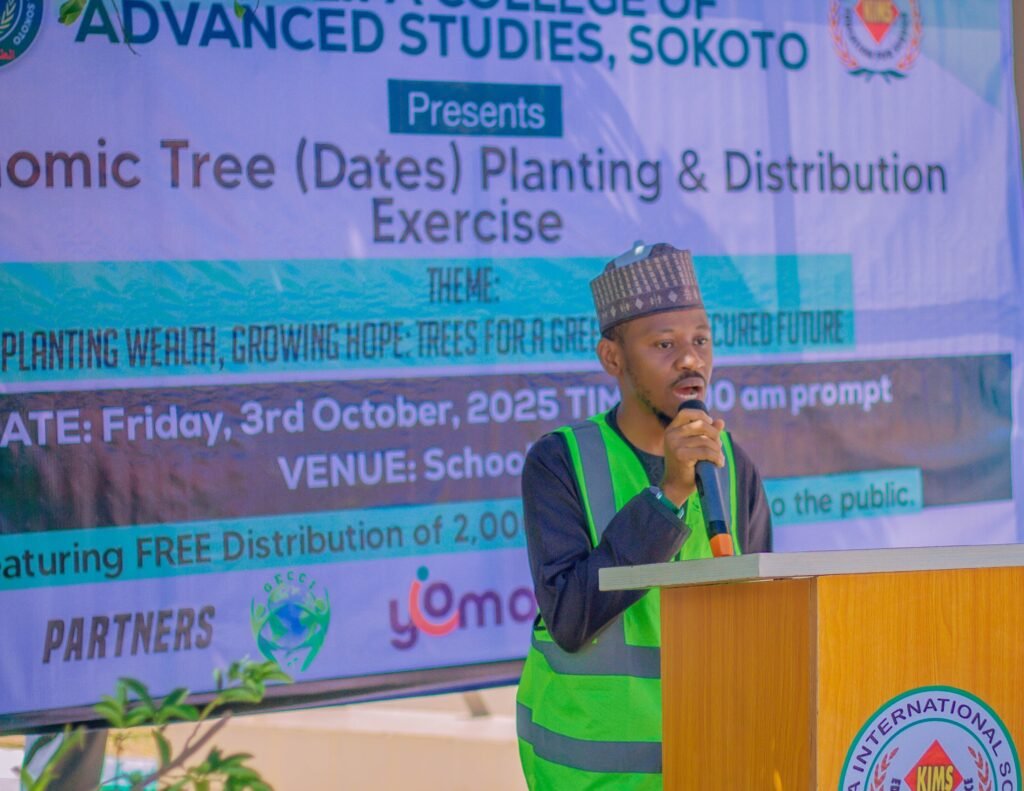
Q: Thank you for joining us today on Africalix. We are excited to discuss Africa’s vital environmental efforts. Can you tell us about your role and efforts in the Great Green Wall initiative across Africa and Nigeria, and how the continent could benefit from the GGWI strategy by 2034?
A: “As President of the African Union Great Green Wall Youth Advisory Board, my mandate is to strengthen the leadership, representation, and active participation of young people across the 11 Great Green Wall countries. Our role is to ensure that youth voices shape policy, drive innovation, and directly contribute to land restoration, climate resilience, and sustainable livelihoods across the Sahel and the drylands of Africa.
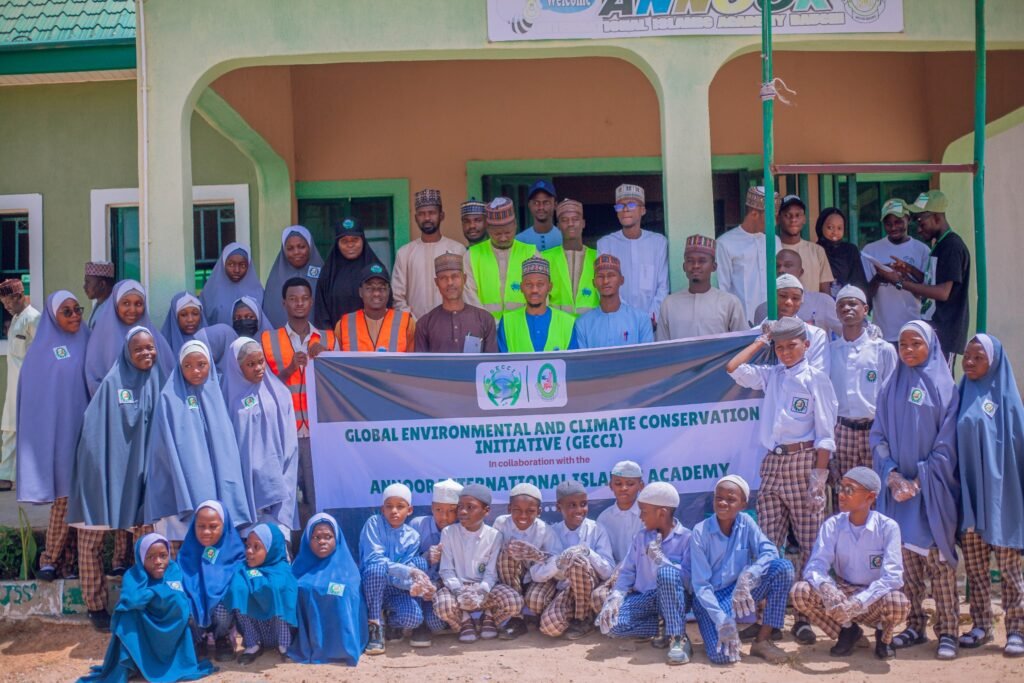
“Through coordinated engagements, capacity-building programs, community outreach, and strategic partnerships with national agencies, development partners, and civil society, we are empowering African youth to take ownership of the Great Green Wall vision. In Nigeria and across the continent, our efforts focus on promoting climate-smart agriculture, supporting tree-planting and restoration initiatives, expanding green entrepreneurship, and improving young people’s access to climate finance.
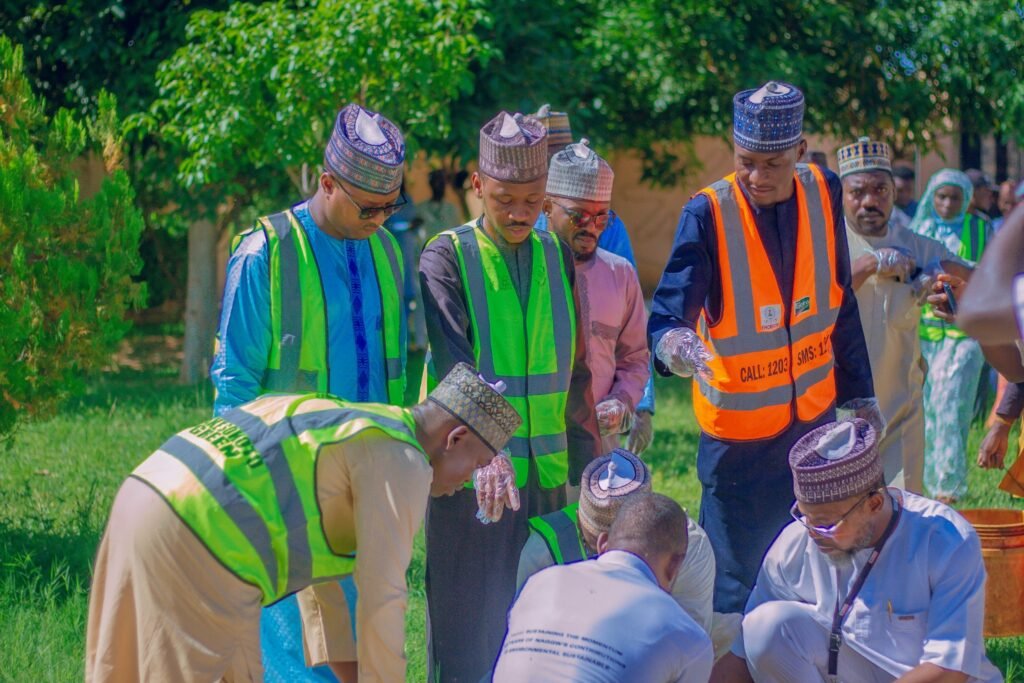
“Looking ahead to 2034, the Great Green Wall Initiative presents one of Africa’s most transformative opportunities. With the potential to restore millions of hectares of degraded land, create up to 10 million green jobs, strengthen food security, and build climate-resilient communities, the initiative stands as a pillar of Africa’s sustainable development. Achieving this vision requires continued political commitment, innovative financing, and meaningful youth engagement at every stage.
“The Great Green Wall is more than an environmental project—it is a continental movement for economic renewal, social stability, and a greener, more prosperous future for Africa. Together, with the energy and leadership of Africa’s youth, we can ensure its full realization by 2034.”
Conclusion
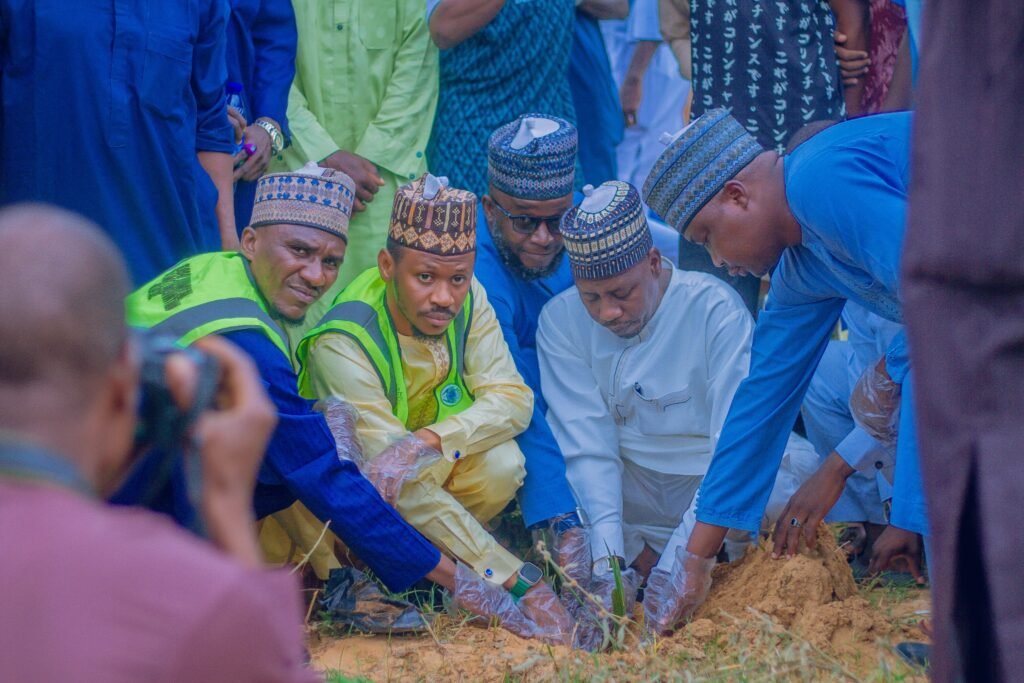
The conversation with Abdulhamid Tahir Hamid underscores how African youth are turning the Great Green Wall Initiative from an ambitious vision into concrete action on the ground. Young people are increasingly at the heart of decision-making, policy advocacy, climate-smart innovation, and practical restoration work, primarily through the African Union’s Youth Advisory Board. Their leadership is helping to connect land recovery with jobs, food security, and resilience across the Sahel and Sahara Region.
The Great Green Wall project is a strategic opportunity for the continent to confront desertification, drought, and the broader impacts of climate change while supporting local communities and mitigating socio-economic stresses in member states. Its success will depend on sustained political will, stronger coordination among partners, robust monitoring and evaluation, and effective mechanisms for mobilizing and disbursing resources. Only by maintaining this momentum and continuing to invest in communities, especially women and youth, can Africa realize the full promise of the Great Green Wall by 2034 and beyond.
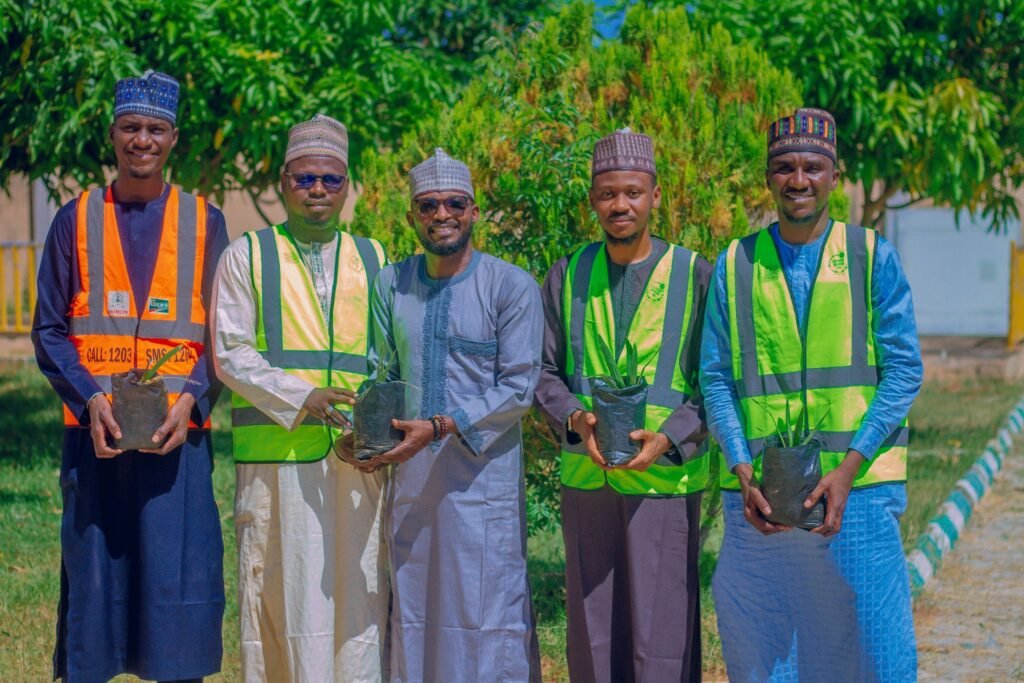
Learn more about Abdulhamid’s Great Green Wall youth leadership:
Date Palm Tree Planting Campaign 2025
Abdulhamid Tahir Hamid, President of the African Union Great Green Wall Youth Advisory Board


