




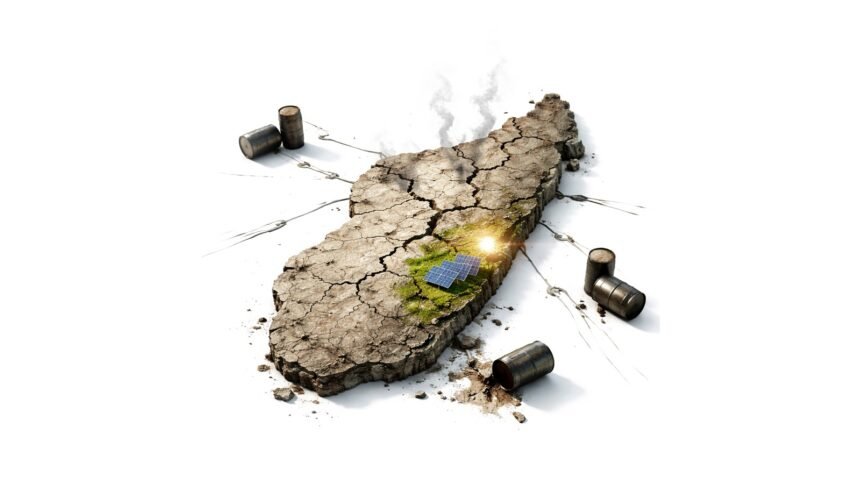
Pan African Solidarity: Collective Energy Vigilance
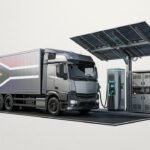
Africa confronts energy shocks not in isolation but as a shared continental challenge, where one nation’s crisis illuminates vulnerabilities across borders. The declaration of a state of emergency in Madagascar underscores how distant conflicts ripple through import-dependent economies, compelling unified responses. From fuel rationing in East Africa to price adjustments in West Africa, nations are recalibrating supply chains and accelerating renewable transitions. This solidarity leverages AfCFTA to pool procurement, share reserves, and invest in cross-border grids, transforming external pressures into opportunities for regional self-reliance. By fostering joint strategies on storage, diversification, and green infrastructure, the continent builds resilience that safeguards public services and economic stability for all.
Madagascar’s Energy Landscape: Structural Dependencies Unveiled
Madagascar’s energy sector rests heavily on imported petroleum products, which account for a significant share of merchandise imports and power generation. With limited domestic production and reliance on Middle Eastern suppliers, the island nation faces acute exposure to global disruptions. Hydroelectric potential and emerging solar initiatives offer promise, yet they remain underdeveloped amid infrastructure gaps and investment shortfalls. Fuel powers transport, industry, and households, while access to electricity lags in rural areas, perpetuating inequality. This landscape reveals a classic import trap: volatile international prices and supply routes directly threaten economic activity, inflation control, and daily livelihoods. Recent growth in foreign investment signals potential for diversification, but the current crisis exposes how fragile the balance remains without accelerated domestic capacity.
State of Emergency: Urgent Response to Supply Crisis
On April 7, 2026, Madagascar’s cabinet activated a nationwide 15-day state of energy emergency to address deepening disruptions stemming from the Middle East conflict. Widespread fuel shortages gripped the capital and provinces, halting transport and threatening essential services. The measure empowers authorities to implement exceptional actions—prioritizing supply restoration, rationing where necessary, and ensuring continuity of public utilities. This decisive step addresses immediate shortages while signaling the gravity of imported vulnerabilities. By invoking emergency powers, the government aims to stabilize distribution, negotiate alternative sourcing, and mitigate panic, buying critical time for longer-term fixes. The emergency reflects proactive governance amid global volatility, setting a precedent for swift adaptation when external forces imperil national stability.
Oil Prices Impact: Shockwaves from Global Conflict
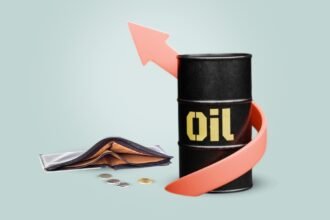
Surging oil prices, driven by Middle East tensions and uncertainties over the Strait of Hormuz, have exacerbated Madagascar’s challenges. Brent’s recent climbs translate into higher import bills, inflating fuel costs and triggering shortages as delayed shipments strain limited stocks. For an economy where petroleum underpins nearly all energy needs, this shock risks reigniting inflation, curtailing industrial output, and burdening households already stretched by transport expenses. The emergency declaration directly counters these pressures by enabling rapid interventions, such as price controls and emergency imports. Yet the broader lesson is stark: oil dependence magnifies external shocks, underscoring the urgency of hedging through strategic reserves and alternative fuels. Madagascar’s experience mirrors continental patterns, where price spikes test fiscal buffers and accelerate calls for energy independence.
Regional Implications: Lessons Across African Shores
Madagascar’s emergency echoes responses in neighboring states facing similar fuel crunches, from rationing in East Africa to cost-saving drives in the Sahel. The crisis highlights shared exposure among net importers, where Hormuz disruptions cascade into higher logistics costs and power instability. It prompts regional coordination, joint stockpiling, alternative routing via African ports, and accelerated renewable projects to buffer collective impacts. East African partners, already deepening ties through corridors and trade pacts, can draw on this episode to strengthen supply resilience. The event reinforces that no island stands alone; interconnected markets demand collaborative frameworks that prioritize energy security as a continental priority, turning isolated emergencies into shared blueprints for preparedness.
Development Pathways: Forging Energy Sovereignty
This emergency marks not an endpoint but a pivot toward sustainable horizons. It accelerates investments in solar, hydro, and biomass, leveraging Madagascar’s natural endowments to reduce reliance on imports. Policy reforms can ring-fence revenues for grid modernization and rural electrification, while partnerships attract technology transfers and green financing. By embedding resilience into national plans, diversifying sourcing, implementing efficiency measures, and pursuing AfCFTA-aligned energy trade, Madagascar charts a course toward sovereignty. The crisis catalyzes inclusive growth: job creation in renewables, lower long-term costs, and enhanced public services. Ultimately, it positions the nation and Africa to convert vulnerability into strength, ensuring energy underpins equitable development rather than constraining it.