




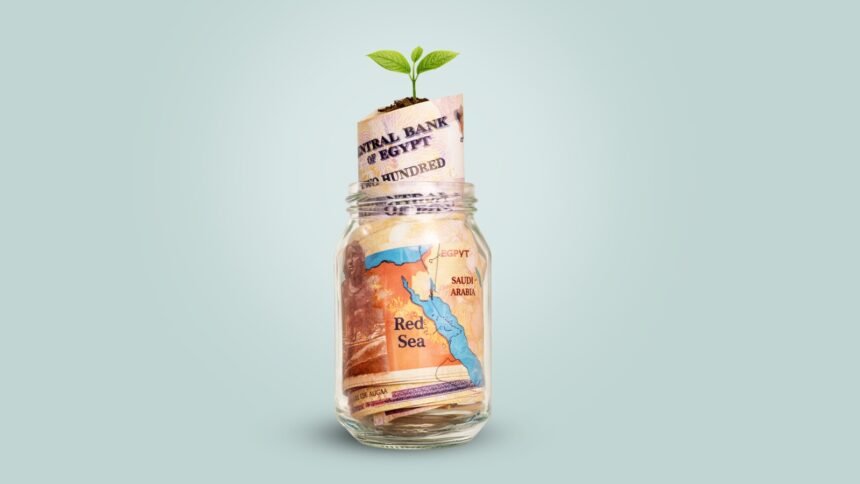
Along Egypt’s azure Red Sea shores, where coral reefs teem with life and ancient trade winds whisper of bygone caravans, a new era of investment unfolds. The Monte Galala Towers and Marina project, valued at $1 billion, exemplifies this surge, channeling funds into marinas, hotels, and housing to catalyze non-oil trade. As Egypt pivots from hydrocarbon reliance toward a diversified economy, these developments not only bolster tourism but also echo Pan-African aspirations for sustainable growth, linking the Nile’s bounty to the continent’s broader revival.
Pan African Horizons: Red Sea as Continental Gateway
The Red Sea’s strategic expanse serves as Africa’s maritime spine, bridging Egypt’s non-oil ambitions with continental synergies. Investments here resonate beyond borders, fostering trade corridors akin to those linking Sudanese ports to Ethiopian highlands. Egypt’s non-oil exports surged 17% to $48.6 billion in 2025, driven by sectors such as construction materials and chemicals, which underpin regional infrastructure. The Monte Galala initiative, spanning 470,000 square meters, positions the Gulf of Suez as a hub for yacht tourism and conferences, inviting African entrepreneurs from Morocco’s Atlantic ventures to Kenya’s Indian Ocean outposts. This gateway ethos aligns with the African Continental Free Trade Area, where Egypt’s Red Sea projects could enhance intra-African trade, reduce reliance on external markets, and foster shared prosperity through eco-friendly developments that respect the sea’s fragile ecosystems.
Egyptian Surge: Non-Oil Trade in Ascendancy
Egypt’s economic surge hinges on diversifying non-oil trade, with Red Sea investments accelerating this trajectory. The trade deficit narrowed nine percent to thirty-four point four billion dollars in 2025, buoyed by robust exports in engineering goods and food industries. Gold shipments alone reached seven point six billion dollars, complementing traditional strengths. The government’s blueprint targets $145 billion in annual exports by 2030, emphasizing value-added sectors. Red Sea projects, such as the seven-year Monte Galala development, inject 50 billion Egyptian pounds into local economies, creating jobs in hospitality and marine services. Partnerships with state entities, including the armed forces’ engineering arm, ensure efficient execution, transforming the Ain Sokhna area into a vibrant hub. This surge not only stabilizes foreign reserves but positions Egypt as a non-oil powerhouse, where remittances and services rival Suez Canal revenues.
Non-Oil Pathways: Beyond Hydrocarbons to Heritage
Non-oil pathways in Egypt weave through heritage and innovation, with Red Sea developments illuminating sustainable alternatives. Tourism, a cornerstone of this shift, generated $17 billion in 2025, with projections climbing to $17.8 billion in 2026. The Grand Egyptian Museum’s opening amplified cultural appeal, drawing parallels to Libya’s Red Castle revival as symbols of post-conflict resilience. Investments in green hydrogen at Sokhna Port harness wind and solar resources, fostering clean energy exports that could integrate with Africa’s renewable corridors. Monte Galala’s ten-tower complex, blending residential and leisure elements, exemplifies this pathway, promoting yachting and eco-tourism to attract high-value visitors. By prioritizing these avenues, Egypt mitigates oil volatility and channels funds into agriculture and manufacturing, which together accounted for over $20 billion in exports last year.
Tourism Tides: Waves of Revival Along Crimson Coasts
Tourism tides swell along Egypt’s Red Sea, revitalizing non-oil trade through immersive experiences. Visitor numbers reached nineteen million in 2025, a twenty-one percent increase, with forecasts of eighteen point six million in 2026, en route to thirty million by 2030. Red Sea resorts boast occupancy rates exceeding ninety percent, fueled by coral dives and luxury retreats. The Monte Galala Marina, thirty-five kilometers south of Ain Sokhna, promises a year-round haven, echoing Cairo’s architectural fusion of ancient and modern. Global partnerships, such as the eighteen-billion-dollar Marassi collaboration with Emirati and Saudi entities, add twelve luxury hotels and enhance connectivity through expanded airports. These tides not only boost revenues but also empower communities, from Bedouin guides to artisan markets, mirroring Pan-African festivals like Nigeria’s Detty December in their celebration of cultural confluence.
Red Sea Development: Azure Ambitions for Enduring Growth
Red Sea Development embodies Egypt’s ambitious plans, where strategic investments yield enduring non-oil returns. The Monte Galala project, scheduled to commence in mid-2026, integrates marinas with housing, aligning with AMAALA’s regenerative ethos in neighboring Saudi Arabia. Over seven years, it will catalyze job creation and infrastructure investment, aligning with Egypt’s 4.7% GDP growth forecast for 2025-2026. Broader initiatives, including Qatari-backed coastal ventures, underscore the sea’s potential as a low-risk investment zone. Challenges, such as environmental stewardship, protecting reefs amid climate shifts, demand innovative approaches, including solar-powered resorts. Ultimately, these developments forge a resilient pathway in which Egypt’s Red Sea becomes a beacon for African nations, blending tourism’s allure with trade’s stability to illuminate a prosperous horizon.


