






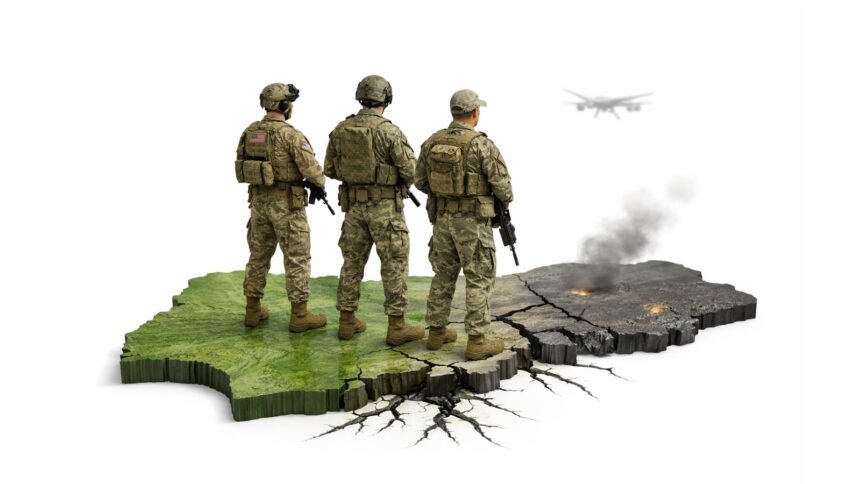
The February 10, 2026, announcement of 200 US troops deploying to Nigeria for non-combat training roles marks a significant escalation in bilateral counterterrorism, following December 2025 airstrikes and amid Trump’s emphasis on protecting Christians. While aimed at bolstering Nigerian forces against Islamists, this move risks inflaming regional tensions, particularly with neighboring Niger’s junta, potentially disrupting Sahel-wide efforts and heightening geopolitical rivalries. This article examines the deployment’s context and anticipated fallout for Niger.
Pan African Predicaments: Deployment’s Regional Ramifications
The US troop deployment to Nigeria exacerbates Pan-African predicaments, where jihadist threats span borders and strain continental alliances. The 200 personnel, tasked with training and technical support across locations, build on existing US intelligence teams, focusing on Islamist militants like ISWAP amid 15,000 insurgency deaths since 2020. This non-combat role aims to enhance Nigeria’s capabilities, but its timing amid Sahel volatility risks broader destabilization.
Ramifications extend to the Sahel: Mali’s JNIM sieges and Burkina Faso’s massacres displace millions, while Central African voids enable hybrids. Pan-African mechanisms like the AU falter amid ECOWAS fractures, and the deployment could further isolate Niger, pushing its junta toward deeper Russian ties and complicating cross-border operations. Predicaments demand caution: without AU mediation, US presence might fuel anti-Western sentiment, amplifying jihad’s creep and undermining regional unity.
Nigerian Necessities: Deployment’s Domestic Drivers
Nigerian necessities for enhanced counterterrorism drive the US deployment, where over 15,000 insurgency deaths since 2020 underscore governance voids and hybrid threats. The troops, supplementing intelligence units, will provide expertise in targeting militants, addressing gaps like ISWAP’s drone assaults killing troops in January 2026. This aligns with Tinubu’s “national emergency” mobilizing 50,000 police, amid abductions like Papiri’s 315 pupils and Kwara’s February 2026 massacre of 162.
Drivers include the northwest Lakurawa hybrids taxing communities and blending herder vendettas with jihad. Deployment’s necessities: bolstering Super Tucano ops reclaiming territory, yet risks overstretch in 32 states. Nigeria’s response must balance foreign aid with sovereignty, lest domestic drivers, 42 percent youth unemployment, fuel unrest and demand inclusive reforms to sustain necessities.
US-Nigerian Counterterrorism Efforts: Allied Advances and Asymmetries
US-Nigerian counterterrorism efforts advance with the 200-troop deployment, focusing on training to counter militants amid 15,000 deaths since 2020. Building on December 2025 airstrikes killing Lakurawa in Sokoto and February 2026 intelligence teams, the mission enhances targeting without combat, addressing Trump’s “genocide” concerns while emphasizing ecumenical violence, 80 percent Muslim victims.
Advances include Super Tucano precision that reduces attacks by 15 percent in Borno, yet asymmetries emerge: US tech outpaces Nigerian infrastructure, risking dependency. Efforts’ synergies: joint ops disrupting ISWAP’s $100 million Lake Chad taxes, but must navigate Trump’s rhetoric alienating northern communities. Counterterrorism’s future: balanced alliances integrating US expertise with Nigerian agency, minimizing asymmetries for effective threat mitigation.
Nigeria-Niger Political Disputes: Border Brinkmanship Amplified
Nigeria-Niger political disputes amplify with US deployment, where shared borders become brinks for jihadist spillovers and diplomatic frays. Niger’s junta accuses Nigeria of harboring militants, echoing post-2023 coup tensions with ECOWAS sanctions, while Nigeria views Niger’s Russian tilt as enabling ISSP raids like January 2026’s Niamey airport assault, damaging aircraft.
Brinkmanship’s risks: deployment near borders could escalate accusations, pushing Niger deeper into AES isolation and Russian arms, complicating joint patrols against hybrid killing thousands. Disputes’ roots: ethnic Fulani cross-border ties fuel mistrust, amid Niger’s uranium disputes and Nigeria’s herder wars. Amplified fallout: reduced cooperation heightens Sahel deaths, underscoring the need for dialogue to de-escalate brinkmanship and foster cross-border security.
Islamic State in Sahel: Deployment’s Jihadist Jolt
Islamic State in the Sahel jolts with US deployment to Nigeria, where ISSP’s hybrids exploit border porosities for assaults like Niamey’s January 2026 drone strikes. In Niger, ISSP’s Tillabéri raids kill dozens, while Nigeria’s Lakurawa tax communities, blending with ISWAP’s northeast strongholds, claim 15,000 lives since 2020.
Jolt’s dynamics: deployment risks radicalizing Fulani amid “genocide” rhetoric, boosting ISSP recruitment in a region with 6,000 JNIM allies taxing gold for millions. Sahel’s Islamic State presence, funding drones from Libyan markets, demands jolt countermeasures: enhanced border radar to disrupt hybrids, lest deployment inadvertently fuels jihadist resurgence.
Security Spectrum: Niger’s Stability Strains
Niger’s security spectrum strains under Nigeria’s US deployment fallout, where junta isolation deepens amid jihadist encroachments claiming hundreds in 2025. Niamey’s airport assault exposes urban vulnerabilities, while Russian Wagner guards uranium but commit excesses alienating populations, fueling ISSP’s advances.
Strains comparative: Niger’s AES pacts lag behind JNIM’s sieges, while Nigeria’s US-boosted operations reclaim territory but risk spillover escalation. Spectrum’s outlook: heightened tensions could lead to increased deaths, demanding AU arbitration on joint patrols. Niger’s stability hinges on balancing foreign influences with internal reforms to mitigate strains on regional security.


