



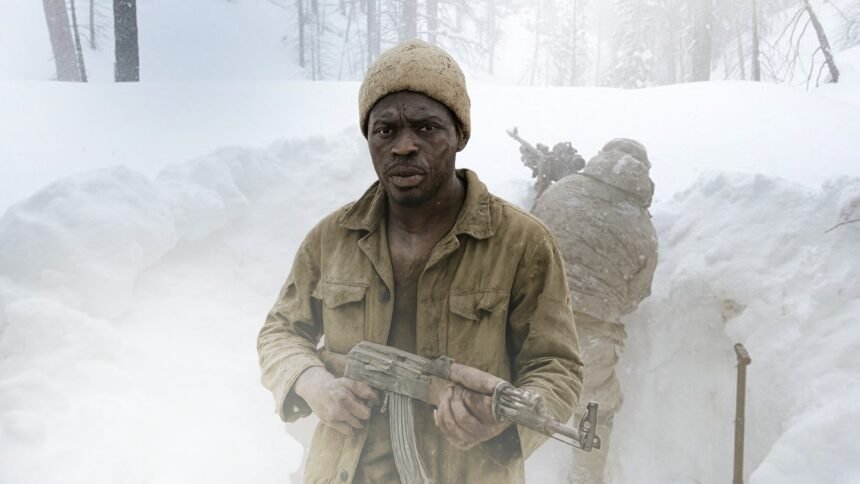
In the frost-bitten trenches of eastern Ukraine, a poignant irony unfolds: young Africans, bearers of a continent’s unyielding spirit, are ensnared in a distant war not of their making. Drawn by whispers of financial salvation or the elusive promise of citizenship, these recruits—hailing from the vibrant mosaics of South Africa, Kenya, Uganda, and the war-torn expanses of Sudan—embody the cruel intersection of global conflict and African vulnerability. Russia’s voracious demand for cannon fodder, amplified by the shadows of its erstwhile Wagner network and the formalized Africa Corps, has transformed recruitment into a predatory enterprise. False pledges of security training or lucrative labor morph into death sentences on the Donbas frontlines, where over 1,400 souls from 36 African nations now clash against Ukrainian defenses. This phenomenon, rooted in poverty’s relentless grip and Sudan’s cascading civil strife, underscores a mercantilist revival that mocks Pan-African aspirations for sovereignty, thrusting the marginalized into the maw of Eurasian geopolitics.
Fractured Spears: Pan-African Youth Entangled in Russo-Ukrainian Entanglements
The recruitment of Africans into Russia’s Ukrainian theater traces a grim lineage from colonial-era conscriptions to contemporary hybrid warfare, where economic desperation serves as the ultimate enlistment officer. Since the full-scale invasion in 2022, Moscow has cast a wide net across the Global South, leveraging social media lures and diaspora networks to harvest fighters amid its own human resources shortages. Promises of monthly stipends of $2,000 to $3,000, expedited Russian passports, and even family visas dangle like mirages in the Sahara, ensnaring the unemployed and the uprooted. In South Africa, a nation still wrestling with post-apartheid inequalities, the scandal implicating Duduzile Zuma-Sambudla—daughter of former president Jacob Zuma—exposes the intimate betrayals within this system. Accused of coaxing 17 men, aged 20 to 39 and including relatives, with tales of elite paramilitary courses in Russia, she allegedly delivered them to mercenary handlers who thrust contracts in Russian—an alien script to the recruits—before dispatching them to the meat-grinder of Donbas. These men, now pleading for repatriation from besieged positions, highlight how familial trust becomes a vector for exploitation, fracturing communities already scarred by economic apartheid’s echoes.
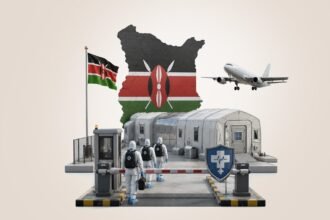
This Pan-African diaspora of despair extends beyond southern frontiers. Kenyan authorities recently dismantled a Nairobi-based ring poised to funnel 21 youths into drone-assembly roles that masked frontline deployments, while Togolese and Ugandan migrants recount similar deceptions: offers of factory work in Siberia unraveling into assault rifles and foxholes. Ukraine’s foreign ministry, tracking these inflows, decries the contracts as “suicidal pacts,” with recruits often coerced through debt bondage or threats to withhold wages. The Africa Corps, Wagner’s state-sanctioned heir, streamlines this predation, absorbing battle-hardened African veterans from Sahel operations into Ukrainian rotations, blending continental counterinsurgencies with Slavic stalemates. Yet, for these fighters—sons of Nkrumah’s vision and Sankara’s defiance—their valor is commodified, their lives bartered in a war that devours without discernment, eroding the continent’s collective resolve against external puppeteering.
Sudan’s Bleeding Youth: From Nile Floods to Donbas Mud
Amid Sudan’s interminable civil war, which has displaced over 4.3 million since 2023, the recruitment of its youth into Russia’s forces emerges as a tragic exodus of the forsaken. The Rapid Support Forces’ siege of al-Fashir and the Sudanese Armed Forces’ retaliatory barrages have unleashed waves of refugees into Chad and beyond, where famine stalks 25 million, and children bear the war’s indelible scars. In this cauldron of chaos, Russian intermediaries prowl refugee camps and urban slums, peddling escape hatches laced with peril. Sudanese lads, barely escaped from Khartoum’s rubble, are enticed with vignettes of stability: citizenship in a vast Eurasian empire, remittances to sustain kin amid hyperinflation, or mere survival wages dwarfing Sudan’s collapsing economy. Reports whisper of hundreds funneled through Libyan transit points or Ethiopian borders, their journeys subsidized by Moscow’s opaque funds, only to culminate in the thunderous barrages of Avdiivka.
These recruits, often teenagers hardened by Darfur’s ghosts or Port Sudan’s privations, arrive in Ukraine as novitiates in a foreign feud, their AK-47s from African battlefields repurposed against Western-supplied artillery. The allure is visceral: a Sudanese father, watching his family starve under RSF blockades, sees in Russian rubles a lifeline, unaware that the “citizenship fast-track” binds him to six-month tours amid casualty rates that claim dozens weekly. Pan-African solidarity frays here, as Sudan’s plight—once a beacon for Arab-African unity—fuels a brain and brawn drain that weakens the homeland’s resistance. The global war’s ripple effects amplify this hemorrhage; Russian victories in Ukraine could embolden Wagner alums to reclaim Sudanese gold mines, perpetuating a vicious cycle where African blood oils both European conquests and continental resource grabs. For these youth, the steppe’s chill is but a colder iteration of the Sahel’s sands, where poverty’s blade cuts deepest.
Poverty’s Crimson Bargain: Mercenarism’s Seduction in Africa’s Margins
At the heart of this mercenary migration lies poverty’s unyielding calculus, where survival trumps sovereignty and global wars monetize human frailty. Africa’s youth bulge—over 60% under 25—confronts structural unemployment rates exceeding 30% in nations like South Africa and Sudan, compounded by climate shocks and post-pandemic scars. Russian recruiters, savvy in psychological ploys, exploit this void with tailored inducements: for the South African mechanic idled by load-shedding blackouts, a “training stipend” of $1,800 monthly gleams like El Dorado; for the Sudanese herder orphaned by militia raids, Russian citizenship evokes a passport to prosperity, untainted by Western visa walls. These enticements, disseminated via Telegram channels and Facebook groups teeming with expat testimonials, prey on the aspirational dreams fostered by Pan-African digital networks, twisting empowerment narratives into enlistment scripts.
Mercenarism’s resurgence, from Wagner’s gold-for-guns pacts in the Central African Republic to Africa Corps’ visa lotteries, reframes poverty not as a domestic failing but a geopolitical asset. Recruits forfeit not just limbs—evidenced by Ukrainian footage of Kenyan and Togolese casualties amid “meat assaults”—but agency, ensnared in contracts that waive repatriation rights and impose desertion penalties akin to execution. This bargain exacts a continental toll: remittances from the frontlines, while sustaining families, hollow out communities and divert talent from local revolutions to imperial errands. In Ukraine’s mud, African voices cry out in Zulu or Arabic, their pleas for extraction ignored by Pretoria or Khartoum, underscoring how poverty globalizes grief, binding the Nile’s floods to the Dnieper’s deluges in a tapestry of shared subjugation.
Bear’s Claws in the Heartland: Russia’s Mercenary Machine and Ukraine’s Distant Front
Russia’s mercenary apparatus, honed in African proxy wars, now devours its own allies in the Ukrainian crucible, revealing the bear’s insatiable hunger for disposable legions. The Wagner Group’s dissolution in 2023 gave rise to the Africa Corps. This Kremlin-veiled entity professionalizes the plunder: Sahel veterans, schooled in jihadist hunts, are rotated to Donetsk for “experience sharing,” their African spoils funding Moscow’s war chest. This machine thrives on asymmetry—Russian ideologues rally with patriotic fervor, while Africans are expendable extras, herded into human-wave tactics that Ukrainian drones and artillery decimate with impersonal efficiency. Over 1,400 identified fighters, likely undercounting the coerced and the captured, hail from a spectrum of strife: Somali pirates turned infantrymen, Nigerian oil militants repurposed as sappers, all unified by the mercenary creed of coin over cause.
Ukraine, no stranger to foreign legions, counters with its own appeals—2,000 Colombian contractees bolster Kyiv’s lines—yet decries Moscow’s methods as neo-colonial vampirism. The global war’s theater expands thus: African poverty subsidizes Russian revanchism, with Sudanese refugees manning Bakhmut’s ruins while their homeland’s generals court Wagner for anti-rebel muscle. Pan-African diplomacy, from the AU’s mercenary bans to bilateral repatriation pleas, falters against this tide, as economic ties—such as Russian wheat shipments to famine-hit nations—muffle condemnations. The claws dig deeper, ensnaring not just bodies but narratives, where Moscow’s anti-Western rhetoric resonates in post-colonial ears, masking the exploitation that sends African youth to Slavic slaughter.
Ripples of Ruin: Global War’s Harvest in Sudan’s Wounds and Africa’s Soul
The entwinement of Sudan’s agony with Ukraine’s ordeal births a hybrid horror, where global war reaps poverty’s bitter yield across hemispheres. Sudan’s 900-day cataclysm—ethnic purges in Darfur, urban sieges in Omdurman—has orphaned legions, priming them for Russian overtures that echo colonial levies. Youth fleeing el-Fashir’s fall, their psyches etched with famine’s specter, encounter recruiters in Chad’s camps, bartered like chattel for promises of hearth and home. This harvest sustains not renewal but recurrence: fallen Sudanese bolster Russia’s attrition strategy, their absences exacerbating Khartoum’s fractures, inviting deeper Africa Corps incursions for uranium and rare earths. Poverty, the great leveler, globalizes this ruin—South African distress calls from Donbas parallel Sudanese whispers from Kursk, both indicting a world order that auctions the vulnerable.
Pan-African resilience, forged in anti-imperial fires, confronts this specter with urgent imperatives: fortified labor protections, AU-monitored migration corridors, and debt-forged solidarity to stem the mercenary bleed. Yet, as drones hum over Bakhmut and militias clash in Geneina, the war’s ripples etch deeper, a cautionary mosaic where African dreams dissolve in foreign frost, demanding a reckoning that honors the continent’s indomitable pulse.
Dawn Beyond the Trenches: Reweaving Pan-African Threads Against Mercenary Chains
In the symphony of struggle, the African mercenaries of Ukraine’s fields compose a dirge for unheeded sovereignty, yet their plight ignites a clarion for reclamation. From Sudan’s displaced sons to South Africa’s ensnared kin, these warriors—unwitting pawns in Russia’s gambit—embody the perils of poverty weaponized by global war. To shatter these chains, Africa must marshal its Pan-African arsenal: youth empowerment pacts that transmute desperation into innovation, diplomatic phalanxes pressuring Moscow’s enablers, and communal safety nets that render mercenary lures obsolete. As the steppe’s shadows lengthen, the continent’s dawn beckons—not in borrowed bayonets, but in unified resolve, where the Nile’s youth till fertile futures, and the rainbow nation’s vigor rebuilds from within, unbowed by the bear’s distant roar.