





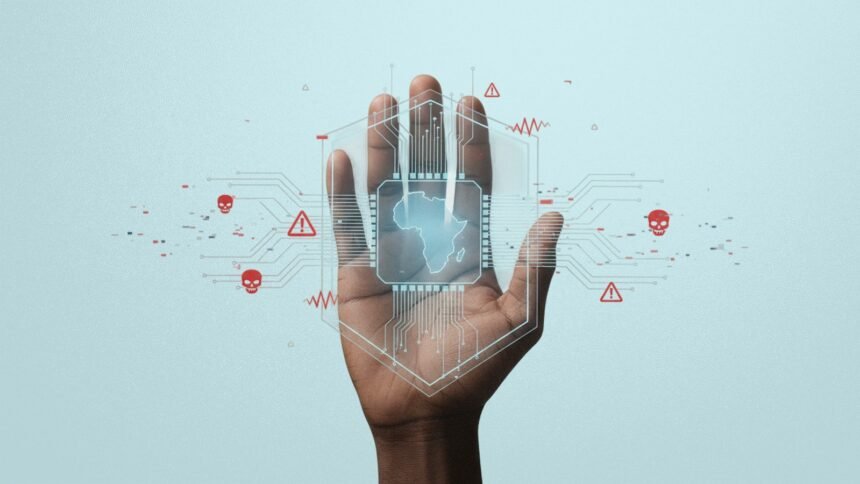
In an era where digital connectivity weaves the fabric of economic growth and social interaction, Africa’s cybersecurity landscape stands at a pivotal crossroads. As the continent accelerates its technological adoption, the imperative for robust investments in cyber defenses has never been more pressing. This analysis delves into the intricate dynamics of cybersecurity across Africa, emphasizing the role of indigenous investments in building resilient digital ecosystems. Drawing on the continent’s historical trajectory and its prospective horizons, it underscores how Pan-African funding can transform vulnerabilities into strengths, ensuring protection, innovation, and sovereignty amid escalating global threats.
Pan-African Digital Awakening: Tracing the Roots of Cybersecurity Evolution
Africa’s journey in cybersecurity mirrors its broader technological renaissance, emerging from colonial legacies of limited infrastructure to a vibrant, albeit uneven, digital frontier. The seeds were sown in the early 2000s with the proliferation of mobile technology, which catapulted connectivity rates from negligible to over 50 percent by the mid-2010s. This surge, however, exposed nascent systems to cyber risks, prompting initial responses through regional frameworks.
By 2014, the African Union (AU) formalized its vision through the Convention on Cyber Security and Personal Data Protection, aimed at harmonizing standards across member states. Yet, progress has been gradual; by 2025, adoption remained fragmented, with ratification lagging in many nations. The context of this evolution is rooted in Africa’s unique blend of rapid urbanization and digital inclusion, where mobile money platforms such as M-Pesa in East Africa have revolutionized finance but also attracted sophisticated attacks.
As of 2025, the sector’s outlook reflects a maturing ecosystem, with market valuations climbing from $2.5 billion in 2020 to an estimated $3.7 billion. This growth is fueled by increasing awareness of threats, from ransomware targeting financial institutions to state-sponsored espionage disrupting critical infrastructure. The historical narrative reveals a shift from reactive measures—such as post-breach recoveries—to proactive strategies, setting the stage for investments that prioritize Pan-African self-reliance over external dependencies.
Safeguarding Sovereignty: Pioneering Nations in Cyber Protection and Technological Resilience
Across Africa’s diverse terrains, certain nations have emerged as beacons of cybersecurity prowess, demonstrating how targeted investments can fortify national and regional defenses. Mauritius leads with a readiness score exceeding 96 percent, bolstered by comprehensive legislation and public-private partnerships that integrate human rights protections into digital policies. Tanzania and Ghana follow closely, with scores around 90 and 86 percent, respectively, emphasizing education and infrastructure to counter threats.
Nigeria, despite facing more than 119 million attacks in early 2025, has invested heavily in local talent development, establishing cyber academies that integrate technology training with ethical considerations. South Africa, with its advanced ecosystem, hosts regional hubs for threat intelligence that share insights to protect neighboring states such as Namibia and Botswana. These leaders exemplify a Pan-African approach in which investments in cybersecurity not only safeguard economic assets but also uphold human rights by preventing data exploitation and surveillance abuses.
The outlook for 2025 highlights a tiered landscape: tier-one nations like these invest in AI-driven defenses, while others grapple with basic connectivity. This disparity underscores the need for collaborative protection mechanisms in which leading countries mentor emerging ones, thereby fostering a continent-wide shield against vulnerabilities that could undermine sovereignty.
Bridging the Investment Divide: Global Influences Versus Pan-African Technological Empowerment
At the heart of Africa’s cybersecurity narrative lies the tension between global capital inflows and indigenous investments, a dynamic that shapes the sector’s sustainability. International players, including tech giants from North America and Europe, have poured resources into Africa, viewing it as a frontline in the global cyber defense. By 2025, foreign direct investment will have driven initiatives such as data centers in South Africa and AI security tools in Rwanda, contributing to a market projected to reach $2.29 billion.
However, these external funds often prioritize short-term gains, such as infrastructure projects tied to international agendas, over long-term capacity building. In contrast, African investments, though comprising a smaller share, focus on localized solutions, such as Kenya’s national cyber defense upgrades and Nigeria’s homegrown threat detection systems. Estimates suggest that Africa loses $5 billion annually to cyberattacks. This figure could be mitigated through increased local funding, which currently accounts for approximately 36 percent of total investments in robust resilience programs.
Pan-African investments offer distinct advantages: they align with cultural contexts, integrate human rights safeguards, and stimulate job creation in technology sectors. For instance, ventures in Senegal and Ethiopia emphasize community-based cyber education, reducing reliance on foreign expertise. The 2025 outlook reveals a growing recognition that balancing global partnerships with African-led funding is essential for equitable growth, ensuring that investments not only protect assets but also empower communities to overcome digital divides.
United in Defense: AU-UN Synergies for Human Rights and Cyber Protection
The African Union, in tandem with United Nations initiatives, has spearheaded collaborative efforts to weave human rights into the fabric of cybersecurity. The AU’s flagship cybersecurity program, launched in the early 2020s, promotes inclusive policies that address data privacy and digital freedoms. By 2025, this has evolved into joint workshops with the UN, focusing on cyber diplomacy and crime prevention, as seen in the push for African adoption of the UN cybercrime convention.
These synergies address challenges such as low ratification of the Malabo Convention, with the AU advocating for streamlined implementation that respects human rights. UN collaborations have facilitated operations such as INTERPOL’s Sentinel in 2025, resulting in hundreds of arrests and millions recovered from cyber fraud across 19 countries. Such efforts highlight a Pan-African commitment to protection, where technology serves as a tool for equity rather than exclusion.
Looking ahead, these partnerships promise enhanced capacity building, with investments directed toward training programs that safeguard vulnerable populations. By integrating human rights into cyber strategies, the AU-UN alliance paves the way for a resilient Africa, where protection extends beyond borders to uphold dignity in the digital age.
Navigating Digital Turbulence: Challenges in Pan-African Cybersecurity and Human Rights Protection
Africa’s cybersecurity sector faces formidable hurdles that test its resolve and highlight the urgency of strategic investments. Chief among these is the skills deficit, with many organizations struggling to recruit experts amid a global talent crunch. Legal frameworks remain nascent in more than half of the continent, complicating responses to AI-assisted threats such as deepfakes and ransomware, which surged by 1,200 percent in South Africa alone in 2025.
Infrastructure vulnerabilities exacerbate risks as rapid digitization outpaces security measures, resulting in weekly attack averages exceeding 3,000. Human rights concerns loom large, with inadequate protections risking surveillance overreach and data breaches that disproportionately affect marginalized groups. Economic disparities further compound the problem, as smaller nations lack the resources for advanced defenses, thereby widening the protection gap.
The 2025 landscape reveals escalating costs—global cybercrime projected at $10.5 trillion, with Africa bearing a disproportionate share due to underinvestment. Addressing these challenges requires a Pan-African lens, prioritizing investments in education and technology to transform obstacles into opportunities for inclusive growth.
Horizons of Technological Sovereignty: Future Investments and Pan-African Cyber Resilience
Peering into Africa’s cybersecurity future, the outlook is one of cautious optimism, contingent on amplified Pan-African investments. By 2026 and beyond, the continent could lead in cyber resilience, leveraging its youthful demographic for innovation in AI defenses and blockchain security. Projections indicate a shift from mere security to holistic resilience, with investments in hybrid cloud systems and community-driven protections.
Key to this vision is scaling African funding to match global inputs, fostering startups that address local threats while upholding human rights. Initiatives such as Rwanda’s cyber excellence centers and Senegal’s digital inclusion programs exemplify this path, promising economic benefits through reduced losses and enhanced trust.
Ultimately, the future hinges on a unified investment strategy that enables Africa not only to defend its digital frontiers but also to redefine global standards. By prioritizing Pan-African resources in technology and protection, the continent can secure a prosperous, rights-respecting digital era.