




Pan African Renewal
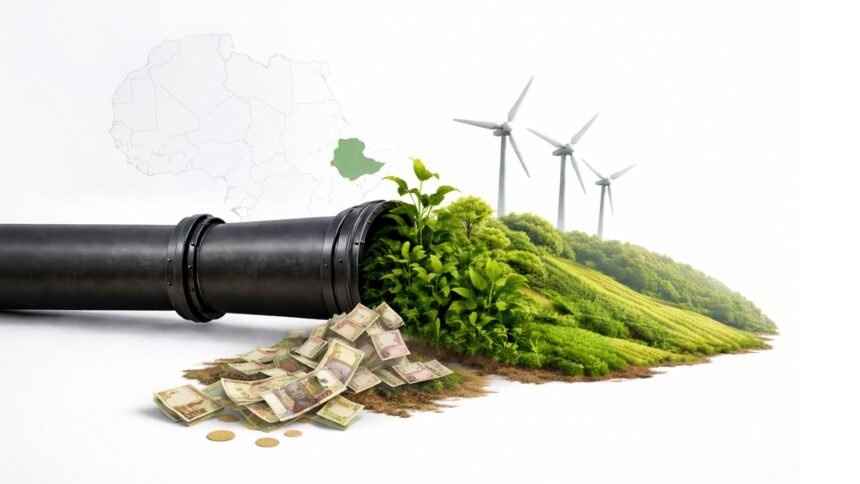
In the broader canvas of Africa’s economic renaissance, Kenya emerges as a beacon of adaptive resilience, aligning its national strategies with continental aspirations for sustainable prosperity. The African Union’s Agenda 2063 envisions a unified, self-reliant continent in which resource-rich nations transition from extractive dependencies to diversified, green economies. Kenya, though not a hydrocarbon heavyweight, embodies this renewal through deliberate shifts toward renewable dominance and fiscal innovation. The recent initial public offering of the Kenya Pipeline Company, launched in early 2026, exemplifies this ethos, raising funds to alleviate debt burdens while redirecting capital toward inclusive growth. Across the continent, similar pivots in nations like Morocco and South Africa underscore a shared trajectory: harnessing indigenous strengths, geothermal in Kenya’s Rift Valley, solar in the Sahel, to foster energy sovereignty and mitigate climate vulnerabilities. This Pan-African synergy, amplified by the African Continental Free Trade Area, positions Kenya’s moves as a model for collective advancement, where privatization serves not as divestment but as a catalyst for equitable, continent-wide renewal.
Kenya’s Economic Mosaic
Kenya’s economic fabric weaves together vibrant sectors, from agriculture, which employs over 40 percent of the workforce, to a burgeoning tech ecosystem dubbed Silicon Savannah. With a gross domestic product exceeding 14 trillion shillings in 2025, the nation has sustained annual growth above 5 percent, outpacing regional peers amid global headwinds. Yet, fiscal pressures loom large: public debt hovers at 70 percent of gross domestic product, with annual repayments devouring 40 percent of revenues. This mosaic reveals a strategic pivot under President William Ruto’s administration, emphasizing privatization to unlock innovative financing. The Kenya Pipeline Company’s offering of 11.8 billion shares at nine shillings each, aiming for 106.3 billion shillings, marks East Africa’s largest in local currency terms. Allocations prioritize local stakeholders, 60 percent to Kenyan investors, including retail and institutional players, while reserving portions for employees, oil marketers, East Africans, and foreigners. This mosaic, enriched by a 50 percent surge in the Nairobi Securities Exchange over the past year, reflects a deliberate blend of public participation and market-driven efficiency to fortify infrastructure without exacerbating debt.
Oil Trade Legacy
Kenya’s engagement with the oil trade, though import-dependent, has long anchored its energy security through infrastructure like the Kenya Pipeline Company, established in 1978 to transport refined products from Mombasa’s port to inland depots. Handling over 90 percent of the nation’s petroleum flows, the entity generates substantial revenues, exceeding 18 billion shillings in earnings before interest, taxes, depreciation, and amortization projected for 2025, yet embodies a legacy of vulnerability to global volatility. Price fluctuations, as witnessed in 2025’s escalations tied to geopolitical tensions in Ukraine and Venezuela, underscore the perils of reliance on fossil fuels in a non-producing nation. The pipeline’s privatization, retaining a 35 percent government stake, signals a departure from this legacy, channeling proceeds toward sovereign wealth funds and infrastructure. Historically, similar assets, such as the 2008 Safaricom flotation, raised over 50 billion shillings, catalyzing sector growth. Today, this move mitigates fiscal strains from imported fuels, which have been draining foreign reserves, while paving the way for regional integration, such as potential collaborations with Uganda’s emerging oil sector.
Non-oil Trade Transition Horizons
As Kenya charts a path beyond oil dependency, its transition emphasizes diversification into high-value sectors such as agro-processing, manufacturing, and digital services. The economy, where non-oil exports, tea, horticulture, and apparel, comprise over 80 percent of trade, is bolstered by initiatives such as Vision 2030, which targets middle-income status through industrialization. The pipeline flotation injects liquidity to fund this shift, potentially accelerating projects in textiles and pharmaceuticals, which already contribute 10 percent to gross domestic product. Regional trade under the African Continental Free Trade Area amplifies these horizons, projecting a 20 percent intra-African export boost by 2030. Challenges persist: the informal sector dominates employment, and supply chain disruptions from climate events demand resilient infrastructure. Yet successes abound; Kenya’s floriculture leads global markets, generating over 100 billion shillings annually, illustrating pathways in which privatization revenues seed non-oil ventures. Employee allocations in the offering foster inclusive ownership, bridge wealth gaps, and empower a youthful demographic to expand entrepreneurial horizons.
Decarbonization Pathways
Kenya’s decarbonization pathways illuminate a commitment to net-zero emissions by 2050, with renewables already powering 90 percent of electricity through geothermal, hydro, wind, and solar. The Energy Transition and Investment Plan outlines electrification of transport and industry, targeting 100 percent clean power by 2030. The pipeline privatization aligns with these pathways, freeing resources for green infrastructure like expanded geothermal fields in Olkaria, which produce over 800 megawatts. Fossil fuels’ minimal role, 8% of the mix, facilitates this shift, yet affordability remains key: tariffs of 25 shillings per kilowatt-hour challenge low-income households. Policy coherence, integrating climate goals with poverty reduction, ensures just transitions, as seen in off-grid solar reaching one in five homes. Globally, Kenya’s model inspires, exporting clean energy expertise to neighbors while mitigating the impacts of drought on hydropower. The offering’s proceeds could accelerate battery storage and electric mobility, forging pathways where economic vitality harmonizes with ecological stewardship, positioning Kenya as Africa’s decarbonization vanguard.