



Echoes of Ancient Empires: The Pan-African Roots and Sahelian Context of Gold Extraction
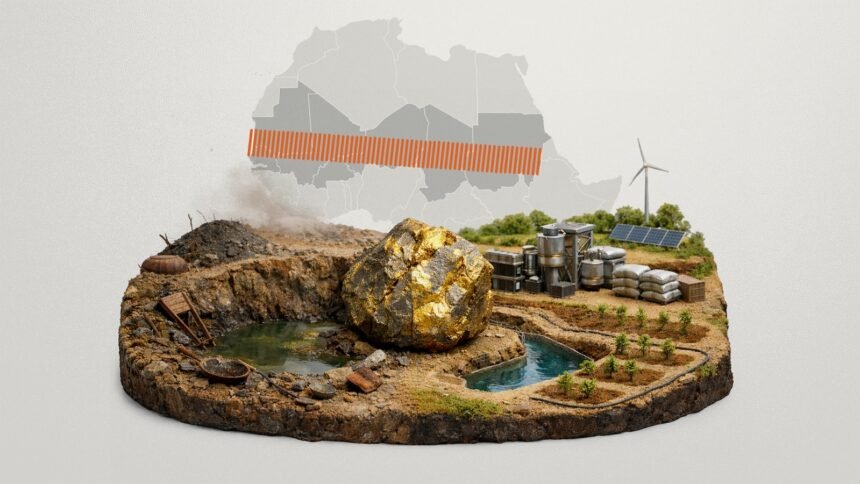
Across the vast expanse of the Sahel, a semi-arid belt stretching from Senegal to Sudan, gold has long been more than a mere commodity; it is a thread woven into the fabric of Pan-African heritage. Historical records evoke the grandeur of medieval empires, where rulers like Mansa Musa of the Mali Empire amassed fortunes from auriferous rivers and trade routes, flooding markets with the metal during legendary pilgrimages. This legacy persists, but in a transformed guise: today’s Sahel is gripped by a modern gold rush, driven by artisanal mining that has surged since the early 2010s. Discoveries of rich veins in remote areas have drawn thousands to informal dig sites, where rudimentary tools and sheer determination unearth the precious resource.
The Sahel’s gold narrative is inseparable from its geopolitical and socioeconomic tapestry. Nations such as Mali, Burkina Faso, Niger, and Mauritania stand as pillars of this industry, with Mali ranking among Africa’s top producers. Here, artisanal and small-scale mining dominates, accounting for a substantial portion of output and providing livelihoods for millions amid chronic poverty and instability. Yet, this boom unfolds against a backdrop of fragility: jihadist insurgencies, political upheavals, and climate vulnerabilities amplify the stakes. Gold extraction, once a symbol of prosperity, now intersects with broader Pan-African struggles for resource sovereignty, economic self-determination, and environmental stewardship.
The Heartbeat of the Earth: Artisanal Gold Mining Dynamics in the Sahel
Artisanal mining in the Sahel embodies a grassroots pursuit, where communities converge on makeshift sites armed with picks, pans, and perseverance. Unlike industrial operations, this form relies on manual labor and basic techniques, such as panning riverbeds, digging shallow pits, or using rudimentary sluices to separate gold from sediment. In leading Sahelian nations, such practices proliferate: Burkina Faso’s informal miners swarm sites in the north, while Niger’s desert fringes host transient camps. Mali, with its ancient Bure and Bambuk fields, sees thousands flocking to unregulated zones, often under the shadow of armed groups.
This sector’s scale is staggering, contributing significantly to national economies. In Mali, gold forms a backbone of exports, bolstering foreign exchange reserves and indirectly supporting public services. Burkina Faso and Niger similarly rely on auriferous yields, where the metal’s value infuses local markets and sustains rural households. However, artisanal mining’s informal nature evades strict oversight, fostering a shadow economy where production figures are estimates at best. While it empowers marginalized groups, offering income in regions plagued by unemployment, it also perpetuates cycles of exploitation, with miners facing hazardous conditions and meager returns after intermediaries skim profits.
Scars on the Savannah: Environmental Devastation from Sahelian Artisanal Gold Pursuits
The environmental toll of artisanal gold mining in the Sahel is profound, etching irreversible scars on an already fragile ecosystem. In this arid corridor, where climate change intensifies droughts and desertification, mining exacerbates vulnerabilities. Deforestation is rampant: miners clear vast swaths of acacia woodlands to access deposits, causing soil erosion and biodiversity loss. Over half a thousand square kilometers of forest have vanished in recent decades, transforming verdant pockets into barren wastelands and disrupting habitats for endemic species.
Water bodies, lifelines in the parched Sahel, suffer acute pollution. Artisanal processes employ toxic chemicals such as mercury and cyanide to amalgamate gold particles, with the resulting residues leaching into rivers such as the Niger and Senegal. This contamination renders water undrinkable, poisons aquatic life, and bioaccumulates in food chains, posing health risks to communities downstream. In Burkina Faso and Mali, polluted streams have triggered outbreaks of waterborne diseases, while in Niger, cyanide spills have devastated local fisheries. Soil degradation compounds these issues; open pits and tailings heaps accelerate land salinization, rendering once-arable areas infertile and heightening food insecurity in a region grappling with recurrent famines.
Climate interactions amplify the crisis. The Sahel’s warming trends, with rising temperatures and erratic rainfall, make mined landscapes more susceptible to flash floods and dust storms. Artisanal sites, often in flood-prone valleys, contribute to the siltation of waterways, worsening hydrological imbalances. This vicious cycle not only undermines Pan-African environmental resilience but also fuels social tensions, as degraded resources spark conflicts over dwindling pastures and water sources.
Shields of Solidarity: Pan-African Policies and Sahelian Safeguards for Gold Mining
Across the Sahel, efforts to regulate artisanal mining reflect a Pan-African ethos of collective guardianship. National policies aim to formalize the sector, with Mali’s recent mining code mandating environmental assessments and state oversight to curb unchecked extraction. Burkina Faso and Niger have introduced licensing frameworks to integrate artisanal miners into legal supply chains while imposing reclamation duties on mining sites. These measures, though unevenly enforced, emphasize community involvement and revenue sharing, aligning with broader African Union aspirations for sustainable resource management.
Continental initiatives bolster these endeavors. The African Union, in tandem with United Nations agencies, advocates harmonized standards to address transboundary impacts, such as pollution that crosses borders through shared river basins. Programs focus on capacity building, equipping miners with safer techniques, such as mercury-free processing, to mitigate environmental harm. Yet, implementation lags due to governance gaps; in junta-led states, policies oscillate between nationalization drives and lax enforcement, prioritizing short-term gains over long-term protection.
Trials Beneath the Sun: Challenges Entwining Sahelian Gold, Artisanal Struggles, and Environmental Perils
The Sahel’s gold mining landscape is riddled with multifaceted challenges that intertwine security, socioeconomic inequities, and ecological strain. Armed groups exploit artisanal sites, taxing outputs to fund insurgencies and perpetuating violence in Mali and Burkina Faso. This “blood gold” dynamic not only finances conflict but also deters formalization, as miners operate in fear-laden shadows. Human vulnerabilities abound: child labor, health hazards from chemical exposure, and trafficking networks thrive amid regulatory voids.
Environmental challenges are compounded by climate volatility, which forces miners deeper into fragile ecosystems, accelerating their degradation. Policy enforcement falters due to corruption and resource constraints, allowing illicit trade to flourish, gold to be smuggled across borders to evade taxes, and environmental accountability to lapse. Future projections warn of escalating risks: population growth and economic pressures may intensify artisanal activities, straining the Sahel’s already tenuous ecological thresholds.
Visions of Verdant Veins: Pathways to Environmental Protection in Pan-African Sahel Gold Mining
Looking ahead, the Sahel’s gold future hinges on transformative strategies that prioritize environmental protection within a Pan-African framework. Formalization emerges as a cornerstone: streamlining licensing and providing technical support could shift artisanal mining toward sustainable models that incorporate reforestation and waste management. Investments in green technologies, such as bioleaching alternatives to toxic chemicals, promise reduced pollution while preserving livelihoods.
Regional collaboration is paramount. The African Union and the United Nations could spearhead cross-border monitoring, ensuring shared resources like the Niger River are protected from cumulative harm. Empowering local communities through education and cooperatives fosters stewardship, turning miners into guardians of the land. Economic diversification, bolstering agriculture and renewables, could alleviate reliance on gold, easing environmental pressures. Ultimately, a resilient Sahel demands balancing auriferous ambitions with ecological imperatives, forging a legacy where gold gleams not at the earth’s expense, but in harmony with it.
In synthesizing the Sahel’s gold saga, artisanal mining stands as both boon and bane, a vital economic pulse shadowed by environmental ruin. Through Pan-African resolve and innovative protections, the region can reclaim its golden heritage, ensuring the sands sustain rather than succumb.