



The Pan-African Paradigm of Sustainable Infrastructure and Energy Sovereignty
Across the African landscape, the contemporary configuration of international climate finance places intense pressure on developing nations to balance rapid industrial modernization with the preservation of environmental sovereignty. The Pan-African vision for long-term economic development and structural transformation relies fundamentally on establishing independent, domestic clean energy grids capable of breaking legacy dependencies on volatile global fossil-fuel supply lines. When sub-continental utility networks are subject to the shifting political priorities of external transatlantic financial institutions, local administrations face the complex task of securing non-conditional infrastructure capital. Reclaiming Africa’s economic future demands a coordinated approach to resource governance, ensuring that regional clean energy systems function as integrated national assets that actively stimulate domestic industrialization, protect public balance sheets, and guarantee long-term sovereign autonomy.
Grid Resilience and the Expansion of Renewable Storage
The contemporary macroeconomic profile of the Kingdom of Morocco is increasingly anchored by its ambitious strategic positioning as a regional leader in high-capacity renewable energy infrastructure. With extensive solar and wind resources across its diverse geography, the nation has steadily worked to diversify its electricity matrix. However, integrating intermittent green power into a traditional national electricity grid introduces significant operational challenges, requiring advanced, flexible stabilization systems to manage fluctuations between production and consumption. To sustain this transition, national planning ministries are prioritizing the construction of heavy utility storage networks designed to absorb surplus energy and stabilize transmission lines, ensuring that the country’s modern grid architecture can reliably support the growing baseline power demands of its expanding urban centers and commercial corridors.
Carbon Abatement Metrics and Fossil-Fuel Displacement
The expansion of sustainable utility infrastructure provides an immediate boost to regional environmental goals by establishing clear pathways for carbon abatement and the displacement of fossil fuels. Under the strategic design of modern clean energy projects, localized storage facilities allow national utility providers to capture large volumes of green power that would otherwise be lost during periods of overproduction. The environmental returns of these operations are highly measurable; building advanced, utility-scale storage installations enables the integration of substantial quantities of additional solar and wind energy into the active grid. This integration systematically replaces multi-terawatt-hours of electricity traditionally generated from polluting fossil fuels, avoiding millions of tons of carbon dioxide emissions and protecting the fragile local biosphere from long-term degradation.
Capital Injections for the Ifahsa Pumped Hydropower Facility
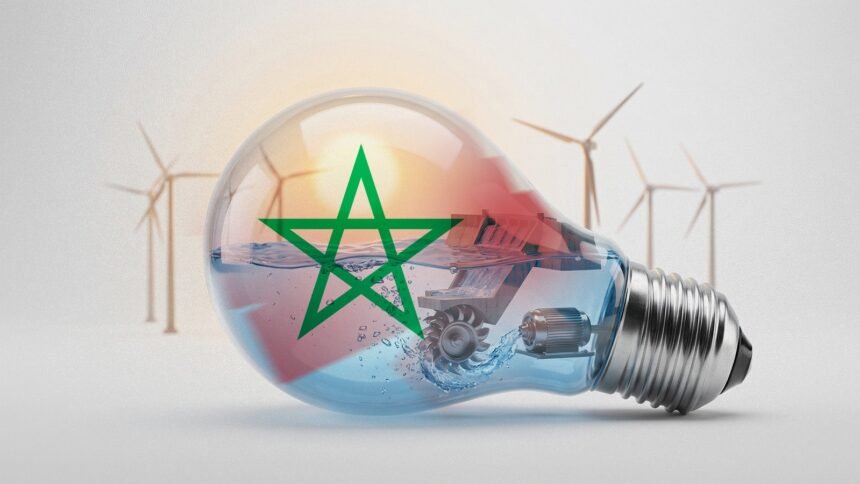
The execution of Morocco’s downstream energy strategy achieved a definitive milestone following a major multilateral capital injection approved by international development lenders. The World Bank Group’s board of directors approved $265 million in financing to support the construction of a new pumped hydropower storage plant in the country’s northern region. The 300-megawatt Ifahsa Pumped Hydropower Storage Project will function as a giant rechargeable battery for the national electricity grid, pumping water to an upper reservoir during periods of high solar and wind production. During peak demand, water will be released through turbines to generate electricity, thereby strengthening the system’s overall reliability and resilience. This $265 million sovereign loan is engineered to serve as a primary catalyst for private-sector participation, helping unlock an estimated $1 billion in additional private investment while enabling the grid to integrate at least 1 gigawatt of new wind and solar power.
Policy realignments and the Retirement of the 45% Lending Target
The approval of the Ifahsa facility coincided with a profound, highly controversial structural shift in the global architecture of international development finance. Just two days before authorizing the Moroccan project, the World Bank Group formally announced that it would “retire” its long-standing institutional goal to devote 45% of its total lending resources to projects with explicit climate benefits. This policy reversal followed intense administrative pressure from the Trump administration to move away from rigid, climate-centric lending quotas. While the development lender has committed to renewing its Climate Change Action Plan without specific input targets to meet client demand, the elimination of the 45% threshold introduces a layer of structural uncertainty for upcoming sub-continental infrastructure initiatives, forcing regional planners to navigate a more transaction-driven lending environment.
Employment Generation and Downstream Integration
The long-term value of high-capacity clean energy projects extends far beyond immediate carbon-reduction metrics, serving as a primary driver of domestic job creation and industrial diversification. The construction of the Ifahsa facility is projected to generate 820 direct jobs annually during its active installation phase, alongside cultivating long-term employment opportunities across the wider downstream energy sector. By securing a stable, highly reliable flow of clean baseline electricity, the state can attract significant investment into neighboring manufacturing zones, automotive assembly plants, and green technology hubs. This integrated approach ensures that heavy infrastructure investments do not function merely as isolated engineering achievements but actively seed sustainable industrial ecosystems that elevate local technical talent and protect the national economy from foreign economic shifts.
Cultivating Domestic Capital and Independent Clean Grids
The ultimate sustainability of North Africa’s green transition depends on the capacity of sovereign states to move past short-term dependencies on external development loans toward cultivating independent capital reserves and self-sustaining energy systems. While pactional agreements with international lenders like the World Bank Group provide vital initial liquidity, true energy sovereignty requires expanding local public-private partnerships, formalizing domestic green bond markets, and implementing clear regulatory frameworks that permanently protect national utility assets from shifting foreign political directives. By combining disciplined financial execution with an unyielding policy objective of building regional grid interconnectors under the African Continental Free Trade Area, the kingdom can transform its present infrastructure achievements into a lasting baseline for an industrialized, secure, and completely self-determining continental future.