





The Pan-African Paradigm of Migrant Dignity, Sovereignty, and Asymmetric Bilateralism
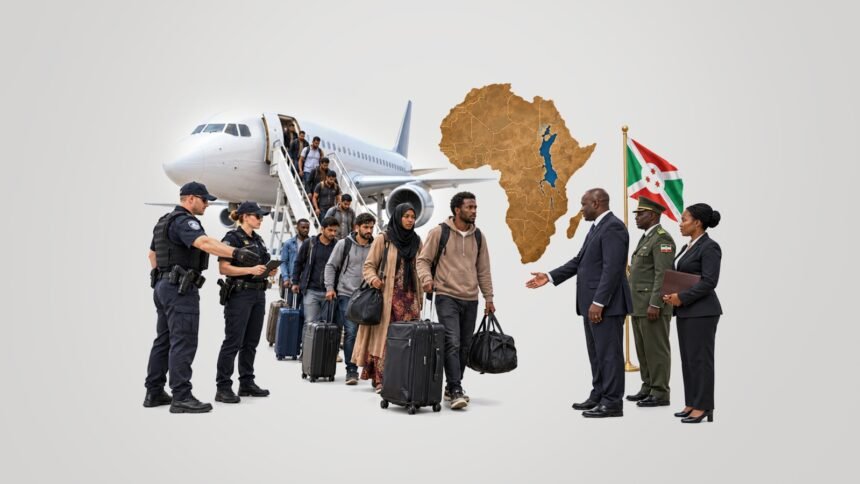
Burundi has formally agreed to accept foreign nationals deported from the United States under the hardline immigration framework of the Trump administration, joining a growing roster of African states entering into third-country relocation arrangements. Nancy Ninette Mutoni, spokesperson for Burundian President Évariste Ndayishimiye, framed the decision as a dual pursuit of diplomatic alignment and humanitarian hospitality, adding the caveat that Bujumbura will only receive individuals cleared of criminal accusations or terrorism associations. What does sovereignty mean when the sovereign territory of an African nation is utilized to absorb the political and legal externalities of a Global North border regime? The arrangement exposes how asymmetric bilateral negotiations continue to test the continent’s autonomy and its commitment to human rights protections. Confronting this dynamic demands principled, collective continental frameworks, not fragmented bilateral pacts negotiated behind closed doors.
An Opaque Deal in the Shadow of Mass Expulsion
The announcement emerged without public disclosure of critical operational elements: the exact volume of transferees, delivery timelines, or the financial considerations underpinning the agreement remain entirely unspecified. The accord mirrors deals established between Washington and roughly half a dozen other African nations. These pacts, heavily scrutinized by US lawmakers who estimate their costs reach into tens of millions of dollars, frequently circumvent protections granted to migrants by US immigration courts against repatriation to their countries of origin. Human rights organizations emphasize that by transshipping vulnerable individuals to third states with which they possess no cultural, familial, or legal ties, Western powers effectively bypass international non-refoulement norms. In this context, Burundi’s assurance that preparations are underway for housing, nutrition, and potential naturalization highlights the immense administrative burden being transferred onto domestic infrastructure.
The Asymmetric Commodification of African Territory
The structural imbalance driving these third-country deportations reflects a troubling continuity in North-South relations. Beset by domestic political pressure over migration, Western administrations routinely leverage foreign aid, diplomatic favor, and financial packages to offshore immigration management to developing nations. While Bujumbura couches the reception of deportees in the language of fraternal hospitality and national development, the transactional nature of the arrangement is unmistakable. African states are increasingly pressured to serve as processing outposts and resettlement buffers for the Global North’s border anxieties. This illustrates the profound exposure of economically vulnerable nations to coercive diplomacy, where the domestic costs of integration, social cohesion, and legal oversight are borne locally. At the same time, strategic political capital is banked in Washington.
The Shadow of the Externalization Paradigm
The historical and contemporary precedents are stark. From European Union initiatives across the Sahel and North Africa to previous offshore transfer schemes in East Africa, externalizing borders has repeatedly eroded local accountability while failing to address root drivers of global displacement. When African governments accept third-party deportees under opaque bilateral agreements, they risk undermining regional mobility compacts and weakening legal recourse for asylum seekers. For the Great Lakes region, where internal displacement and cross-border refugee dynamics already strain localized resources, absorbing arbitrary foreign transfer schemes poses substantial socio-economic friction. The lesson is clear: durable sovereignty cannot be built by renting national jurisdictions to external powers seeking an exit from their own legal obligations.
Reclaiming the Pan-African Border Architecture
The entry of Burundi into Washington’s deportation network is a matter of immediate legal and humanitarian concern for the individuals who will be flown into Bujumbura without personal connection to the land. It is also a critical strategic warning for the wider continent. If Africa is to command respect as an equal partner on the international stage, its institutions, including the African Union, must formulate a unified, non-negotiable stance against offshore border outsourcing. Pledging dignified treatment and legal rights for transferred populations is necessary, but acquiescing to fragmented bilateral compromises erodes collective continental agency. Rejecting the role of a migrant dumping ground and asserting an independent vision for international mobility is the vital, uncompromising work of genuine Pan-African self-determination.