


The Pan-African Paradigm of Diplomatic Sovereignty and Structural Self-Determination
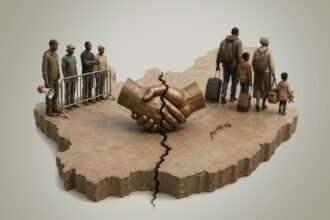
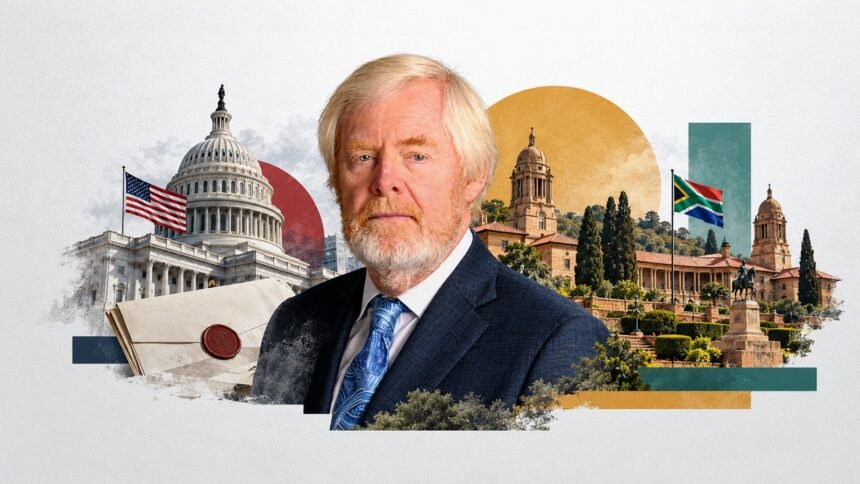
South Africa’s Department of International Relations and Cooperation (DIRCO) has issued a formal demarche to US Ambassador Leo Brent Bozell III, marking the third such diplomatic censure delivered to Washington’s envoy in just nine months. What does diplomatic sovereignty mean for an African state whose domestic legal mandates for historical redress are subjected to political coercion by a Western capital? The recurring friction highlights how external pressure continues to test the continent’s agency to determine its own post-colonial policies. Defending that autonomy demands principled institutional resistance, not merely rhetorical objections.
A Standoff Born of Imperial Overreach
Ambassador Bozell, an activist appointed to Pretoria, arrived in February and was summoned within weeks after issuing remarks that South African officials concluded undermined the national judiciary and distorted historical realities. Over recent months, the envoy has adopted an increasingly confrontational posture in public remarks, warning Pretoria of further punitive action if Washington’s demands remain unmet. That threat materialized with the unilateral imposition of US visa restrictions targeting South African nationals. Demarching an envoy three times in under a year is a rare diplomatic step that reflects deep institutional resistance against foreign interference in constitutional affairs.
The Asymmetric Burden of Western Narratives
The friction reflects a familiar dynamic: external political interests manufacturing grievance narratives around domestic African legislation. Bilateral ties have been repeatedly strained by US administration claims that white South Africans face systemic persecution. This narrative directly contradicts domestic socioeconomic reality, where white citizens remain substantially wealthier and hold higher rates of employment than the Black majority. The policies targeted by foreign criticism are South Africa’s sovereign efforts to dismantle economic disparities inherited from apartheid. This illustrates the asymmetric exposure of African states to foreign political rhetoric, where ideological agendas in the Global North seek to derail structural justice on the continent.
Pretoria’s Stand for Constitutional Sovereignty
South Africa has maintained an open channel for bilateral dialogue while making clear that national sovereignty and post-apartheid restitution are non-negotiable. Meanwhile, the US State Department’s characterization of diplomatic exchange as “dialogue for dialogue’s sake” underscores an unwillingness to respect reciprocal diplomacy. South Africa’s refusal to compromise domestic priorities in the face of visa sanctions reinforces an essential Pan-African posture: foreign partnerships cannot come at the expense of national self-determination.
The Shadow of Historical Paternalism
The historical precedent looms large. For decades, liberation movements and post-independence African states faced punitive measures, embargoes, and external political interference whenever domestic policy ran contrary to Western geopolitical interests. The current dispute over land, economic equity, and judicial independence demonstrates how old paternalistic habits persist under the guise of bilateral dialogue. For South Africa and its continental counterparts, the lesson is unambiguous: national transformation agendas cannot rely on foreign approval, and international engagements must be negotiated on terms of mutual equality rather than subordination.
Owning the Sovereign Frontier
The demarche delivered to Ambassador Bozell is a diplomatic protest first, reflecting clear boundaries established by South African foreign policy. It is also a broader strategic signal. If Africa is to secure its developmental path on its own terms, its governments must withstand unilateral pressures and uphold their historical commitments to social justice. Pretoria’s defense of its sovereign prerogatives shows what firm diplomatic statecraft can achieve. Sustaining that posture across the continent is the harder, ongoing work of genuine Pan-African sovereignty.