




A Fiscal Hole With Familiar Names
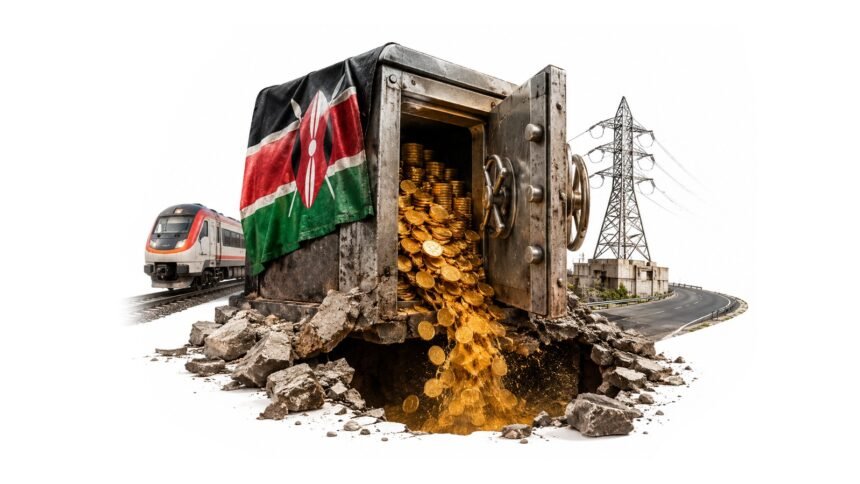
Two percent of GDP. That is the World Bank’s conservative estimate of what corruption adds to Kenya’s fiscal deficit every year, about 370 billion shillings, or 2.4 billion euros, lost to unpaid taxes, wasteful spending, dearer borrowing and the smaller wounds that never make a commission of inquiry. The report published on Wednesday places Kenya among the most corrupt of its lower-middle-income peers and argues that the same weaknesses that fill protest slogans are also quietly rewriting the country’s growth path.
Kenyans did not need a Washington spreadsheet to know the texture of the problem. Petty bribes at traffic stops sit on the same continuum as procurement scandals that reach the top of government. Graft was a central grievance in the massive mid-2024 protests against tax rises. What the Bank has done is put a single annual number on the bill and then ask what Kenya’s economy could look like if that number shrank.
Where the Money Goes Missing
The 370 billion figure bundles lost revenue, inefficient public spending and higher financing costs. Authors call it conservative. Behind it sit patterns that Kenyan reporters have documented for years. Electricity is costlier than in peer countries, the Bank notes, partly because only 24 percent of 42 power-purchase agreements examined in a 2021 study were known to have gone through competitive processes. The Nairobi–Mombasa railway cost about a third more per kilometer than a comparable line in Tanzania. Cleaning up just ten percent of procurement losses, the report says, could save 120 billion shillings, roughly 830 million euros, a year.
Firms feel the squeeze directly. A Bank survey found that 39 percent of Kenyan companies called corruption a major or severe constraint on business in 2025, up from 25 percent in 2013. Thirty-six percent said they had been asked for a bribe at least once in the previous year. That is not a culture of a few bad apples. It is a price of doing business written into daily accounts.
The Reform Bargain That Delayed Lending
The Bank’s latest lending package for Kenya was approved only in June, after stalling through 2025 over anti-corruption conditions. Washington wanted stricter conflict-of-interest rules for politicians, a new electronic procurement system, and passage of a Whistleblower Protection Bill that has languished for years. Those are not exotic demands. They are the minimum tools for making a bribe harder to hide and a report safer to file.
Verena Fritz, the Bank’s lead governance expert for Kenya, told reporters the country has the ingredients to lead the region and should make good on that promise for its own citizens and its neighbors. The tone is the familiar mix of flattery and warning that development lenders use when a client is too important to abandon and too compromised to praise.
A Modeled Future, and a Political Present
Bank modeling says that if Kenya adopted anti-corruption reforms on the scale seen in places such as Ghana and Senegal, its economy could be more than twenty times larger by 2035 and could add 7.7 million more and better jobs. Modeling is not prophecy. It is a way of stating how large the gap is between the Kenya that exists and the Kenya that its own laws already describe on paper.
The political present is less abstract. Citizens who watched peers tear-gassed over finance bills are being told, again, that they would pay tax more willingly if they trusted where the money went. A report does not restore trust. It is restored when a tender is completed in daylight, a whistleblower keeps a job, and a power contract is not a rumor with a tariff.
Why the Number Matters Now
Kenya’s fiscal room is already tight. Every shilling lost to padded contracts or uncollected tax is a shilling not spent on clinics, classrooms or the climate adaptation that drought and flood keep demanding. Regional investors watch the same indicators. A country that prices electricity through opaque power deals and railways through premium kilometers will struggle to argue that it is the East African hub it claims to be.
The report does not invent Kenya’s crisis. It prices it. That pricing will be waved in cabinet meetings, opposition rallies and donor reviews. Whether it changes behavior depends on whether the stalled whistleblower bill, the e-procurement system and the conflict rules become law in practice, not just conditions ticked to unlock a loan. Until those tools work, the 370 billion shilling estimate will keep rising with every padded contract that clears a desk in Nairobi.
Who Audits the Republic
African states do not regain economic sovereignty by denying that leakage exists. They regain it by building the boring institutions that make leakage expensive: open tenders, protected witnesses, prosecutors who can finish a case. Kenya has the talent and the markets. What it has lacked is the political will to treat corruption as a growth emergency rather than a moral sermon. The Bank’s 370 billion shilling ledger is an invitation to that shift. Only Kenyan legislators and courts can accept it.