






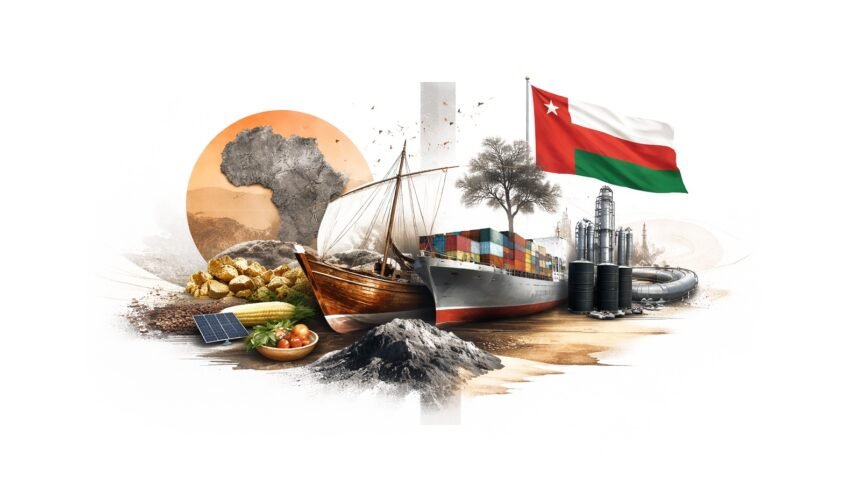
In an era of global economic realignment, the Sultanate of Oman emerges as a pivotal player in fostering ties with Africa. Rooted in centuries-old maritime connections and bolstered by contemporary strategic imperatives, these relations underscore a mutual pursuit of diversification beyond hydrocarbons. While Oman’s managerial reforms under Sultan Haitham bin Tariq have stabilized its economy and enabled outward expansion, Africa’s vast resources and markets offer complementary opportunities. This article examines the trade-centric dimensions of this partnership, illuminating its historical underpinnings, current dynamics, and future trajectories.
Pan-African Echoes: Historical Threads in Africa-Oman Bonds
The interplay between Oman and Africa traces back to the maritime empires of the Indian Ocean, where Omani sailors navigated the Swahili Coast, establishing dominance over key ports from the 17th to the 19th centuries. Zanzibar, once the epicenter of Oman’s African realm, served as a hub for spice, ivory, and, regrettably, the slave trade, weaving cultural and linguistic tapestries that endure today. Swahili, infused with Arabic elements, remains a linguistic bridge, while familial lineages connect communities across the Strait of Hormuz and the East African shores.
This historical legacy laid the groundwork for modern engagements, transitioning from colonial oversight to equitable partnerships. Post-independence movements in Africa aligned with Oman’s own renaissance under Sultan Qaboos bin Said, who prioritized neutrality and mediation. By the late 20th century, diplomatic ties had been formalized with nations such as Kenya in 1976 and Algeria in 1973, emphasizing shared interests in stability and resource management. These foundations have evolved into a Pan-African framework, where Oman’s geographic position as a gateway between Asia, Europe, and Africa amplifies its role in continental connectivity.
Africa-Oman Alliances: Diplomatic and Cooperative Pillars
Contemporary diplomacy between Oman and Africa is grounded in the principles of mutual respect and non-interference, consistent with Oman’s longstanding neutrality. This approach has facilitated mediation in regional conflicts, such as dialogues in the Horn of Africa, while opening avenues for economic collaboration. Recent high-level engagements, including visits and summits, have solidified frameworks for joint action.
Cooperation spans multilateral platforms such as the Arab League and the African Union, where Oman advocates for enhanced South-South cooperation. Bilateral agreements, particularly in the post-2020 era, focus on Sustainable Development Goals, with Oman joining the Gulf states in a renewed “scramble” for African contracts. Key pacts address energy security, infrastructure, and human and environmental environments conducive to trade. For instance, air service agreements enhance mobility, while cultural exchanges preserve shared heritage, as evidenced by the restoration of historical sites along the East African coast. These alliances not only bolster diplomatic goodwill but also create conduits for economic flows, positioning Oman as a reliable partner amid Africa’s integration efforts.
Trade Confluences: Mapping Economic Exchanges Between Continents
At the heart of Oman-Africa relations lies a burgeoning trade landscape, characterized by complementary strengths: Oman’s hydrocarbon expertise meets Africa’s resource abundance and consumer markets. Trade volumes have surged in recent years, driven by Oman’s Vision 2040 diversification strategy and Africa’s Agenda 2063 aspirations. Omani exports, predominantly petroleum products, chemicals, and manufactured goods, find ready markets in resource-importing African nations, while imports from Africa include minerals, agricultural produce, and raw materials.
South Africa is Oman’s principal African trading partner, with bilateral trade exceeding $2.5 billion annually, according to recent figures. This dominance stems from South Africa’s industrialized economy, which absorbs Omani oil and petrochemicals while exporting machinery and metals. Kenya is a significant player, with trade emphasizing horticultural products, livestock, and meat from Kenya to Oman, balanced by Omani oil shipments. Other notable partners include Tanzania and Ethiopia in East Africa, where historical ties facilitate exchanges in spices, textiles, and fisheries.
North African nations such as Egypt and Morocco contribute through the Mediterranean trade routes, with a focus on phosphates and fertilizers imported by Oman. In West Africa, emerging links with countries such as Burkina Faso highlight gold and mineral trades. Overall, trade balances tilt in Oman’s favor due to energy exports, yet reciprocal growth is evident: African exports to Oman have tripled in sectors like agriculture over the past decade. Challenges persist, including logistical hurdles and tariff barriers, but free trade zones in Oman, such as Duqm and Sohar, are increasingly attracting African enterprises, signaling a shift toward balanced, value-added commerce.
Investment Bridges: Oman’s Strategic Forays into African Economies
Oman’s investment strategy in Africa reflects a calculated pivot toward sustainable growth, leveraging sovereign funds and private capital to tap into the continent’s untapped potential. With overall foreign investments reaching unprecedented levels, Africa has become a focal point for Oman’s diversification beyond oil. Key sectors include mining, renewable energy, agriculture, and infrastructure, aligning with Oman’s green hydrogen ambitions and Africa’s resource-led development.
Prominent ventures underscore this momentum: A multi-billion-dollar gold extraction partnership with Burkina Faso exemplifies mining collaborations, promising mutual benefits in resource processing and job creation. In Botswana, a $2 billion solar energy project highlights renewable investments, enhancing Oman’s clean energy portfolio while bolstering Botswana’s power infrastructure. South Africa hosts diverse Omani stakes in manufacturing and logistics, with trade missions yielding agreements worth millions in reciprocal investments.
East African engagements, particularly with Rwanda and Kenya, emphasize digital infrastructure and aviation, fostering hubs for innovation and connectivity. These investments not only yield financial returns but also transfer knowledge, with Omani expertise in heritage preservation aiding cultural tourism projects. However, risks such as political instability and regulatory variances necessitate robust risk mitigation, yet the upward trajectory—evidenced by a 50% surge in Omani investments in Africa since 2023—portends deeper economic integration.
Economic Synergies: Navigating Challenges in Pan-Continental Growth
The economic interplay between Oman and Africa is marked by synergies that address shared vulnerabilities, such as commodity dependence and youth unemployment. Oman’s fiscal discipline, reducing debt while investing in green sectors, mirrors Africa’s push for resilient economies. Joint initiatives in agriculture, for instance, leverage Oman’s arid farming techniques to enhance African food security, while African labor markets absorb Omani expertise in engineering and management.
Yet, hurdles abound: Volatility in global oil prices impacts Oman’s export revenues, indirectly affecting African partners reliant on affordable energy. Infrastructure gaps in parts of Africa hinder seamless trade, prompting calls for enhanced connectivity via ports and digital networks. Additionally, skill mismatches in the labor force require targeted training programs to maximize the benefits of Omanization-like policies adapted to African contexts.
Opportunities, however, eclipse these challenges. The African Continental Free Trade Area (AfCFTA) offers Oman expanded market access, potentially multiplying trade volumes. Green hydrogen collaborations could position joint ventures as global leaders, with Oman’s $140 billion commitment intersecting Africa’s solar and wind resources. Economic synergies thus foster a model of inclusive growth, where trade evolves into co-innovation, benefiting SMEs and empowering women in entrepreneurship across both regions.
Cooperation Horizons: Envisioning Future Africa-Oman Partnerships
Looking ahead, cooperation between Oman and Africa promises transformative impacts, particularly in tourism and emerging sectors. Historical affinities fuel tourism growth, with air connectivity agreements easing travel and promoting eco-tourism circuits linking Oman’s deserts to Africa’s safaris. Cultural festivals and heritage tours further enrich people-to-people ties, stimulating ancillary trades in hospitality and crafts.
Broader partnerships envision collaborative research in biotechnology and climate resilience to address global challenges such as desertification. As Oman cements its role as a neutral mediator, it could facilitate intra-African trade dialogues, enhancing Pan-African unity. Investments in education and health, through scholarships and joint ventures, will cultivate a skilled workforce, ensuring long-term sustainability.
In conclusion, the Oman-Africa trade nexus embodies a paradigm of pragmatic partnership, transcending historical legacies to forge a future of shared prosperity. By prioritizing trade as a cornerstone, both sides can navigate economic uncertainties and harness investment and cooperation to build resilient, interconnected economies. This alliance not only diversifies Oman’s horizons but also amplifies Africa’s voice in global trade arenas, heralding a new chapter in intercontinental collaboration.


