



A Drug Crisis That Has Outgrown South Africa’s Licensed Treatment System, and the Families Left to Pay for the Gap
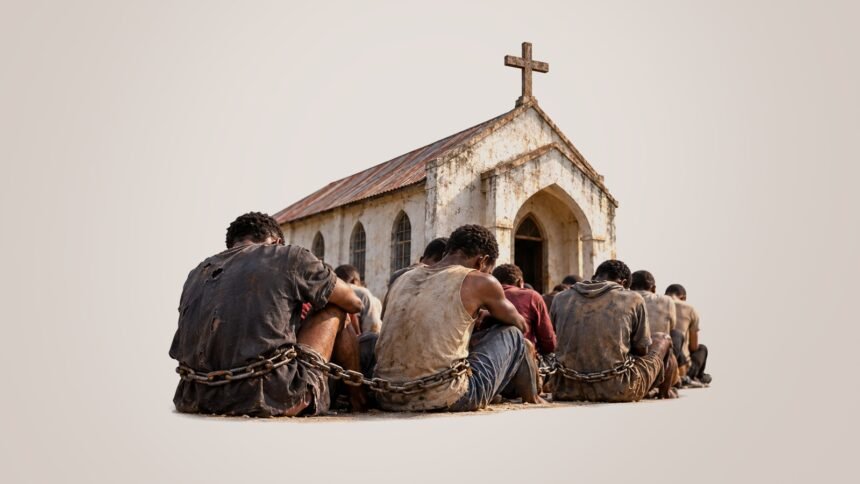
The rooms were crowded, the toilets did not work, and there was no running water. Some of the people inside had sores all over their bodies. Others were chained to each other. That is what officials say they found on Thursday, 15 October, when they raided a suspected illegal rehabilitation center operated from a church in Mpumalanga, in north-eastern South Africa. The Department of Social Development described “gross inhumane conditions”. About 200 people were inside, most of them believed to be drug users seeking treatment. A pastor and his wife who ran the facility have been arrested and charged with kidnapping, and police say more charges could follow.
The gap between what was declared and what was found is the first striking fact. The couple told officials they were housing 60 people. On inspection, more than three times that number were there, among them more than 30 women. Two of them were children: a 16-year-old girl and an 11-year-old boy were found sharing a room with adults. The center was operating without the required authorization, according to the authorities. “Some [of them had been at the alleged illegal center for a while,” the department said.
What the Residents Paid
Residents were required to pay a monthly fee of 3,000 rand, about $182, and almost half of that money went to the church. For a household dealing with a relative’s addiction, that is a significant sum, and it buys a promise of treatment rather than a guarantee of it. The fee also shows that the facility was not a charity operating on goodwill alone. It was a paid service, offered without a license, to people with few other options.
Since the raid, 14 of those found at the center have been taken to hospital for further treatment, and 132 have been reunited with their families, police said. The couple has not commented publicly and is expected to appear in a local court on Monday. The charges remain allegations until they are tested in court, and police are still investigating whether further offenses were committed. The 14 people taken to hospital are a reminder that the harm alleged here is physical as well as legal: untreated sores and confinement without sanitation are injuries, not merely breaches of a licensing rule.
Two Accounts from Inside
The testimony of former residents is not simple. Gift Skhosana, one of those held at the facility, said chaining was “common practice”. “They chain us as punishment [and] when you gain entry,” he said. Yet Skhosana, a former drug user, also said the center had helped him get clean and overcome his addiction. Another former resident, who was not named, said his experience there had left him needing help for his mental health.
Those two accounts capture the dilemma that unlicensed centers exploit. Families desperate for help, and people who want to stop using, may accept harsh conditions if they believe the result is recovery. Chains and locked rooms can be presented as discipline rather than abuse. But detention against a person’s will is not a treatment method, and the presence of children among adults, without proper sanitation or medical oversight, places the facility well outside anything a regulated provider would be allowed to run.
A Problem Larger Than One Church
The Mpumalanga case is not isolated. Illegal rehabilitation centers have multiplied in South Africa in recent years as drug use has spiraled. In 2025, the Department of Social Development said it had identified more than 100 unlawful facilities operating across the country, most of them in Gauteng, the province that includes Johannesburg. The authorities have struggled to deal with unregistered treatment facilities as demand for addiction services grows.
The pattern points to a supply problem as much as a policing one. Where licensed, affordable treatment is scarce, informal operators fill the gap, often through churches and community networks that families already trust. Closing a center rescues the people inside, but it does not create the treatment places they were looking for. Without more registered, funded and inspected services, the 132 people sent home this week may face the same choices again, and the next unlicensed center may already be taking bookings.
Care That Respects Dignity Is a Public Responsibility
South Africa’s response should run on two tracks. The first is accountability: a full investigation, a fair trial for the couple, and a clear account of how a facility holding about 200 people, including children, operated without a license and without being noticed sooner. The second is capacity: public and licensed treatment that people can actually reach and afford, so that faith-based and community groups that want to help can do so within rules that protect the people in their care. The country’s own record of more than 100 illegal centers found in a single year shows that enforcement alone will not solve this. A state that wants to protect its citizens from abuse must also give them somewhere better to go.