





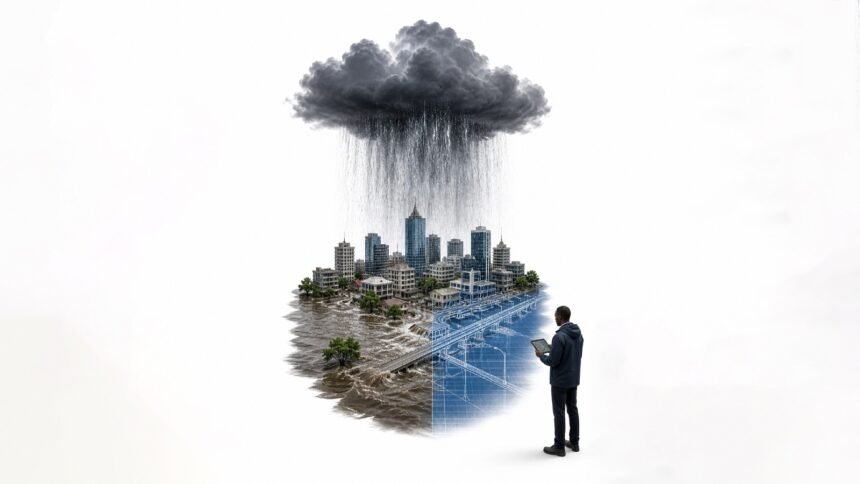
Pan African: The Regional Imperative for Hydrological Resilience
Across the African landscape, the increasing frequency and intensity of extreme hydrological events have transitioned from isolated natural disasters into systemic threats to continental stability. The Pan-African vision for sustainable development is inextricably linked to member states’ ability to mitigate the impacts of a volatile climate. As floodwaters disregard national borders, the necessity for a unified continental response has never been more acute. Establishing regional resilience involves not only physical infrastructure but also harmonizing data-sharing and disaster-response protocols, ensuring that the collective African experience with environmental adversity translates into a robust framework for long-term survival and prosperity.
Floods in Africa: A Systemic Crisis of the Anthropocene
Floods in Africa are among the most pervasive and destructive manifestations of the climate crisis on the continent. From the Sahel to the southern African river basins, pluvial and fluvial flooding continue to displace millions and cause staggering economic losses. This systemic crisis is exacerbated by rapid, unplanned urbanization and the degradation of natural drainage systems. The 2026 flood season has been particularly severe, driven by unprecedented rainfall patterns linked to changing oceanic temperatures. For many African nations, the challenge lies in reconciling immediate emergency response with the long-term necessity of “room for the river” strategies that acknowledge the permanence of these new environmental realities.
Climate Change & Extreme Weather: The Acceleration of Volatility
The acceleration of climate change has fundamentally altered the predictable cycles of the African seasons. Extreme weather events, once considered decadal phenomena, have become annual features of the continental meteorological outlook. This volatility is driven by a complex interplay of rising global temperatures and localized atmospheric changes, leading to “bursts” of intense precipitation that overwhelm even the most sophisticated drainage systems. In East Africa, the traditional March-to-May rain season has reached dangerous levels, characterized by sustained heavy downpours that trigger rapid-onset flooding and secondary geohazards such as landslides.
Early Preparedness: Bridging the Gap Between Data and Action
Early preparedness remains the most critical component in reducing the lethality of extreme weather events. While advances in satellite meteorology and AI-driven forecasting provide increasingly accurate warnings, the challenge remains “the last mile”—ensuring that this information reaches vulnerable communities in time to facilitate safe evacuation. Effective preparedness requires a multi-layered approach involving early warning systems, pre-positioned emergency supplies, and community-led disaster drills. In the absence of robust local communication networks, the gap between the scientific prediction of a deluge and the physical safety of the population remains a primary site of institutional vulnerability.
AU-UN Efforts: Multilateral Coordination in Disaster Response
The African Union (AU), in collaboration with United Nations (UN) agencies, is spearheading a multilateral effort to professionalize disaster response across the continent. These efforts focus on implementing the Sendai Framework for Disaster Risk Reduction, adapted to the specific socio-economic contexts of African states. Multilateral coordination involves deploying rapid-response technical teams and providing satellite-based damage assessments to guide ground operations. By fostering a collaborative environment, these bodies aim to ensure that the international community’s response to African floods is not merely reactive but contributes to the building of permanent domestic capacity for risk management.
East Africa & Floods: The Geography of Vulnerability
East Africa is currently navigating a period of profound hydrological distress as the March-to-May rain season reaches its peak. The region’s geography, characterized by steep terrain and expansive river plains, makes it particularly susceptible to the dual threats of flash flooding and landslides. By early May 2026, the death toll from these incidents in Kenya had risen to 18 people. Landslides have been reported across several counties, including Tharaka Nithi, Elgeyo-Marakwe, and Kiambu. The National Police Service has underscored the “grave danger” posed by ongoing conditions, as heavy rainfall continues to saturate the soil, increasing the risk of catastrophic slope failure.
Public Health & Floods: The Secondary Surge of Disease
The public health implications of flooding extend far beyond the immediate trauma of the event, often leading to a secondary surge of waterborne and vector-borne diseases. The contamination of water sources and the displacement of large populations into temporary shelters create ideal conditions for outbreaks of cholera, typhoid, and malaria. In the aftermath of the recent Kenyan floods, health authorities are on high alert as damaged infrastructure limits access to clean water and sanitation. Effective public health management in a flood zone requires the rapid deployment of mobile clinics and the large-scale distribution of water purification supplies to break the cycle of infection before it reaches epidemic proportions.
Economy & Development: Reclaiming the National Infrastructure
The economic cost of flooding in Kenya is reflected in the extensive damage to critical infrastructure, including roads, bridges, and telecommunications networks. These disruptions stall commerce, prevent the movement of agricultural goods to market, and drain the national treasury through the high costs of emergency repairs and reconstruction. Reclaiming the future of national development requires a shift toward “climate-smart” infrastructure engineered to withstand the extreme weather of the 21st century. Success in 2026 will be defined by the state’s ability to integrate hydrological risk into its national planning, ensuring that the wheels of the economy continue to turn even in the face of a changing, increasingly volatile sky.