





ctural evolution of agribusiness highlights a fundamental tension between smallholder agricultural cultivation and corporate processing systems. The continent-wide drive for food security under the African Union’s development frameworks is frequently challenged by structural deficiencies in rural infrastructure, fragmented storage logistics, and localized rural unrest. These factors combine to limit local farmers’ competitiveness against international agricultural imports. Reclaiming the continent’s agricultural future requires transforming fragile rural economies into robust, integrated value chains. True structural autonomy cannot rely on external food supplies; it demands targeted domestic capital deployment to provide localized smallholders with the technical inputs, transportation networks, and security guarantees needed to feed a rapidly expanding urban population.
Nigeria’s Agri-Food Matrix
An acute divergence between macro-level corporate profitability and micro-level consumer purchasing power characterizes the contemporary outlook for Nigeria’s food sector. Within a massive domestic market of 240 million citizens, the formal food processing industry has consolidated into a highly centralized structure. This system is dominated by deep-pocketed conglomerates that possess the capital to sustain large-scale supply chains amid high economic volatility. As urban centers expand rapidly, the traditional reliance on decentralized, open-air local markets is steadily giving way to industrialized, packaged dietary staples. This structural shift ensures a highly stable consumer demand base for commercial food suppliers, as the continuous requirement for basic nutrition insulates the sector from broader economic contractions.
Culinary Shifting Landscapes
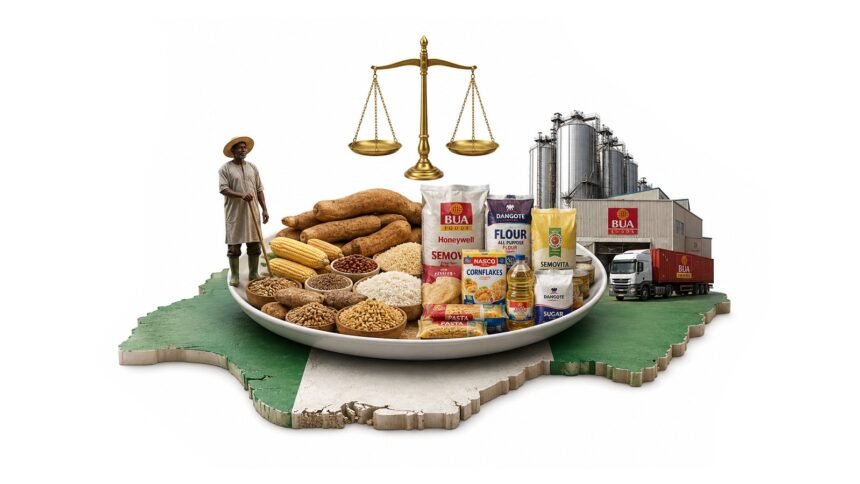
The structural transformation of consumer food preferences across major urban centers is increasingly shaped by a combination of necessity, convenience, and changing lifestyles. Rapid urbanization and the fast-paced nature of city life are driving a noticeable shift away from traditional, labor-intensive indigenous root crops and grains, such as yams, cassava, and sorghum, toward highly processed, shelf-stable alternatives. Industrially milled wheat flour, packaged pasta, and refined sugar have become central to the modern workforce’s daily diet. This dietary evolution is accelerated by corporate branding strategies and convenience trends, turning imported and factory-milled grain products into dominant staples that reshape the national culinary landscape.
Corporate Expansion Amid Economic Friction
The domestic food market has recently navigated severe macroeconomic adjustments and agrarian disruptions that have profoundly altered the national cost-of-living index. Following the implementation of sudden fiscal reforms, including the removal of fuel subsidies and the sharp devaluation of the naira, the domestic economy experienced severe price shocks, with food inflation peaking near 40 percent. This economic strain triggered widespread urban hunger protests, forcing millions of citizens to skip meals regularly. Simultaneously, persistent security challenges in rural areas have disrupted traditional farming, keeping many smallholders from their fields and decimating local harvests. Paradoxically, this decline in domestic crop output has driven consumers toward industrial food conglomerates, which maintain the international trading networks necessary to import bulk commodities and sustain factory production during widespread local shortages.
Capital Injections and Credit Integration
The operational dominance of large-scale food processors is sustained by their superior access to international finance, commercial bank loans, and institutional credit lines. While small-scale rural farmers are severely constrained by limited access to formal banking, high interest rates, and limited credit availability, major food conglomerates leverage strong government ties and substantial corporate assets to secure low-cost development capital. This financial advantage enables large firms to build high-capacity infrastructure, including deep-water port terminals, massive automated milling complexes, and extensive storage silos that smaller local competitors cannot replicate. This unequal access to credit reinforces the structural divide within the agricultural economy, allowing heavily capitalized corporate actors to control the flow of essential food commodities nationwide easily.
The Trajectory of Conglomerate Dominance
At the absolute forefront of this industrial centralization is BUA Foods, an agri-business giant that has demonstrated remarkable revenue growth despite prevailing economic challenges. Established in 1988 as a trading house by industrialist Abdul Samad Rabiu, the firm systematically expanded through corporate acquisitions and organic growth into a diversified food powerhouse spanning sugar refining, flour milling, edible oils, and pasta production. Consolidating its operations ahead of a 2022 listing on the Nigerian Exchange, the company posted a massive pre-tax profit of N284 billion on revenues of N1.53 trillion in the 2024 financial year, commanding a market capitalization of approximately $13 billion. Led by Managing Director Ayodele Musibau Abioye, the conglomerate leverages its massive scale and direct import capacity to maintain stable profit margins, using its competitive presence across multiple product categories to hedge against individual market recessions.
Nutritional Standards and Dietary Imbalances
The systemic consolidation of the food industry into large, import-reliant milling corporations has significant long-term implications for public health and national nutrition standards. Because Nigeria’s hot, humid climate is structurally unsuited to large-scale wheat cultivation, the market’s heavy reliance on imported grain staples leaves the population vulnerable to global commodity price shocks and international supply chain disruptions. Furthermore, according to the Global Hunger Index, approximately 20 percent of the population remains undernourished. The widespread transition from nutrient-dense, traditional, diverse crops to highly refined, carbohydrate-heavy wheat products and processed sugars can lead to structural imbalances in the national diet, underscoring the critical need to realign public policy to support the production of diverse, nutrient-rich local foods.
Scaled Infrastructure and Future Trade Corridors
The long-term expansion of West Africa’s food sector depends on creating a more balanced relationship between global import networks and local agricultural production. To build sustainable, long-term resilience, major food processors are increasingly integrating local supply channels into their refining networks, as seen in large-scale outgrower initiatives connecting corporate mills with tens of thousands of domestic rice farmers. The future development of the regional food trade will be defined by the industry’s ability to utilize the tariff-free frameworks of the African Continental Free Trade Area (AfCFTA) to export locally refined products across regional borders. By combining efficient industrial processing capacity with targeted investments in local rural infrastructure, the food industry can move past simple import dependence, transforming the regional market into a secure, self-sustaining hub of continental food production.