




Pan African: The Continental Strive for Climate Agency
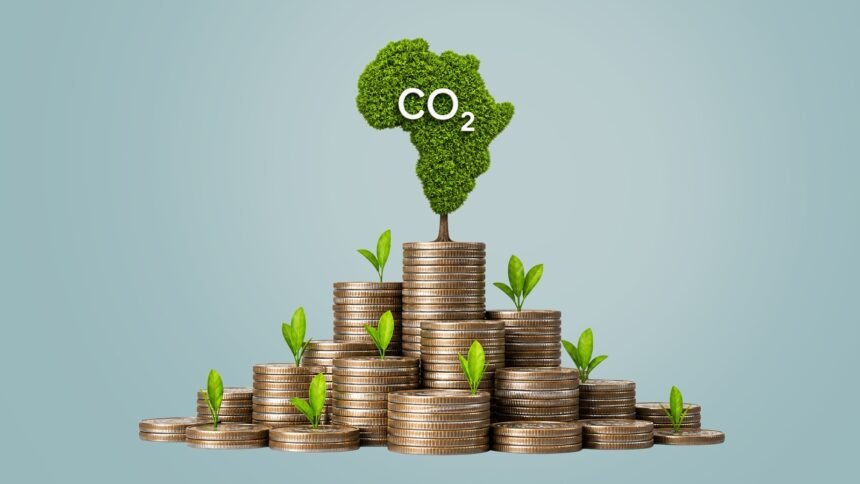
Across the African landscape, the transition to a global green economy has introduced a new paradigm of resource management centered on the commodification of environmental preservation. The Pan-African mandate for the 21st century emphasizes that the continent’s vast natural capital, ranging from its tropical rainforests to its peatlands, must be used as a lever for economic emancipation rather than a site for modern “carbon grabs.” As global powers look to the continent to offset their industrial emissions, the collective African voice is increasingly demanding that carbon trade be governed by principles of equity, transparency, and sovereign integrity, ensuring that climate finance serves the developmental aspirations of African people.
Carbon Credit in Africa: The Mechanics of Environmental Offsetting
Carbon credit markets in Africa represent a complex intersection of environmental stewardship and international finance. Under the UN trading systems established over the last year, high-emitting nations and global airlines utilize these credits to offset their carbon footprints by financing projects that remove or prevent the release of carbon dioxide. These credits are often generated by protecting existing carbon sinks or restoring degraded ecosystems. While the system promises significant revenue for developing nations, it necessitates a rigorous technical framework to ensure that the credits represent real, additional, and permanent emissions reductions that do not undermine the host nation’s own climate targets under the Paris Agreement.
Forests in Africa: The Vitality of the Continental Lungs
African forests are among the world’s most critical carbon-sequestration assets, serving as the “continental lungs” that regulate regional and global climates. These ecosystems, particularly the Upper Guinean forests and the Congo Basin, are at the heart of the emerging carbon economy. However, preserving these forests is not merely a technical challenge but also a social one, as millions of people depend on these lands for their livelihoods. Effective conservation requires balancing the global demand for carbon sequestration with the rights of forest-dwelling communities, ensuring that environmental protection does not displace or disenfranchise the continent’s most vulnerable populations.
Biggest Carbon Markets in Africa: Emerging Regulatory Hubs
The landscape of carbon trading in Africa is increasingly defined by several emerging regulatory hubs that are setting the standard for the continent. Nations such as Nigeria have recently launched comprehensive frameworks to govern the taxation of carbon sales and ensure robust community consultation. These markets are characterized by a move toward “high integrity” credit generation, where state oversight aims to prevent the exploitation seen in earlier, less regulated deals. The goal of these leading markets is to create a predictable, transparent environment that attracts long-term investment while ensuring a fair share of profits for the domestic economy and local stakeholders.
Green Finance: The Evolving Role of Development Banks
Green finance has become a primary vehicle for development assistance, with institutions like the African Development Bank (AfDB) playing a pivotal role in shaping the continent’s climate governance. The AfDB’s engagement focuses on strengthening fiscal stability and enhancing the frameworks for carbon credit generation. However, this involvement has recently been scrutinized for the perceived pressure placed on member states to rapidly adopt carbon sales frameworks as a condition for broader budget support and loans. The evolution of green finance must ensure that the push for market readiness does not compromise African states’ ability to negotiate deals in their own long-term interest.
Loss & Damage: Reconciling Climate Justice with Market Participation
The discourse on “Loss and Damage” is central to Africa’s participation in the carbon markets, reflecting the historical responsibility of wealthy nations for the climate crisis. For many African states, the sale of carbon credits is seen as a pragmatic way to secure the funding needed to adapt to climate impacts that they did little to cause. However, market participation must be reconciled with the principles of climate justice. There is a profound risk that rushing into carbon deals to fill fiscal gaps could lead to “bad deals” in which the long-term ecological and social costs outweigh the immediate financial gains, potentially undermining the nation’s ability to meet its future sustainability goals.
Liberia & Carbon Credits: The Struggle for Equitable Governance
Liberia’s recent experience highlights the intense pressures and governance challenges facing rainforest nations in the carbon market. As of May 2026, the Liberian government is under significant pressure to approve a carbon sales framework, with reports suggesting that a portion of its vital development funding from the AfDB may be contingent on this approval. This comes after a previous high-profile deal fell through due to a lack of community consultation. Local NGOs and forestry officials have warned against being “rushed into a policy” by external timelines, such as the 2028 deadline for airlines to buy credits, arguing that a fair and equitable distribution of benefits must be the absolute priority over immediate revenue.
Debt Management: Utilizing Environmental Assets for Fiscal Stability
For nations rebuilding after conflict or managing significant debt burdens, carbon credits offer a potential path toward fiscal stability. By commodifying their standing forests, countries can generate non-tax revenue to support national budgets and provide the liquidity needed for basic infrastructure. However, integrating carbon credits into debt management strategies requires sophisticated information and transparent policymaking. Reclaiming the future involves ensuring that these environmental assets are not undervalued or “grabbed” by foreign investors, but are utilized as a sustainable resource that provides both ecological protection and long-term economic resilience for the African people.