





Rwanda’s Cabinet approved the country’s updated Climate Action Plan, known as the Nationally Determined Contribution (NDC 3.0), marking a significant step in the nation’s fight against climate change. The ambitious plan, which covers the period from 2025 to 2035, aims to reduce greenhouse gas emissions while building resilience against the growing risks posed by changing weather patterns.
Implementation of the roadmap is expected to require an investment of $12 billion, or approximately Rwf17.4 trillion, according to the Ministry of Environment.
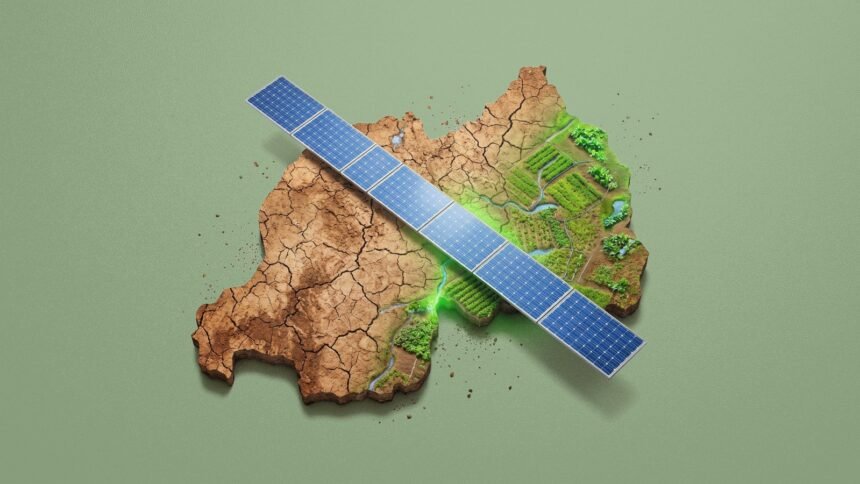
The plan sets out a bold agenda to restore the country’s natural resources and strengthen its agricultural sector. Over one million hectares of degraded land are targeted for rehabilitation through terracing, agroforestry, and other measures to manage water resources effectively. By restoring catchments and regulating water flows, the initiative aims to reduce flood risks and improve water availability even during dry seasons.
Agricultural development is another key focus, with Rwanda planning to nearly double the area under irrigation from 102,000 hectares in 2025 to 200,000 hectares by 2030. Farmers will benefit from climate-resilient seeds, improved livestock breeds, and solar-powered irrigation systems, helping secure food production amid unpredictable rainfall.
Urban planning and housing are also central to the NDC 3.0. In Kigali, where around 60 percent of residents currently live in unplanned settlements, authorities aim to bring this figure down to 51.2 percent by 2030 and 44 percent by 2035. At the same time, rural households are expected to move into planned, integrated communities, reaching full coverage by 2035. Public green spaces will expand from 19.8 percent to 30 percent of built-up areas, ensuring that urban growth aligns with environmental sustainability.
Rwanda is also addressing infrastructure vulnerabilities. Primary road corridors will be climate-proofed with slope stabilization, raised embankments, and improved drainage, dramatically reducing the length of roads exposed to landslides from 67,683 kilometers today to just 384 kilometers by 2030. Public transport will also grow gradually, with climate-smart bus routes and resilient urban transit corridors encouraging more residents to use sustainable mobility options.
The plan even reimagines the mining sector, traditionally seen as high-risk, as a partner in resilience. By 2030, 90 percent of mining operations are expected to adopt climate-compatible practices such as water-efficient processing and dry-stack tailings. Abandoned mining sites will be rehabilitated and replanted with native trees, creating green spaces that absorb stormwater, enhance biodiversity, and remain pollutant-free during extreme weather events.
With NDC 3.0, Rwanda is presenting a comprehensive vision that combines environmental protection, economic growth, and social planning, laying the foundation for a climate-resilient future while inspiring other nations to adopt similar integrated approaches.


