




Pan African Entanglements: Regional Wars and Electoral Ripples
Sudan’s protracted civil war, pitting the Sudanese Armed Forces against the Rapid Support Forces since 2023, casts a lengthening shadow over neighboring South Sudan’s fragile path to its inaugural post-independence elections in December 2026. This conflict’s spillover, through border skirmishes, refugee surges, and mutual accusations of proxy involvement, exemplifies broader Pan-African dynamics where internal strife transcends boundaries, undermining democratic aspirations. As South Sudan grapples with its own ethnic fractures and economic woes, the war exacerbates humanitarian crises, displacing millions and straining resources essential for credible polls. Continental observers warn that without regional mediation, these entanglements could derail transitions, echoing patterns seen in the Sahel’s coupvolutions and East Africa’s electoral violence.
South Sudan Vulnerabilities: Border Tensions and Captured Fighters
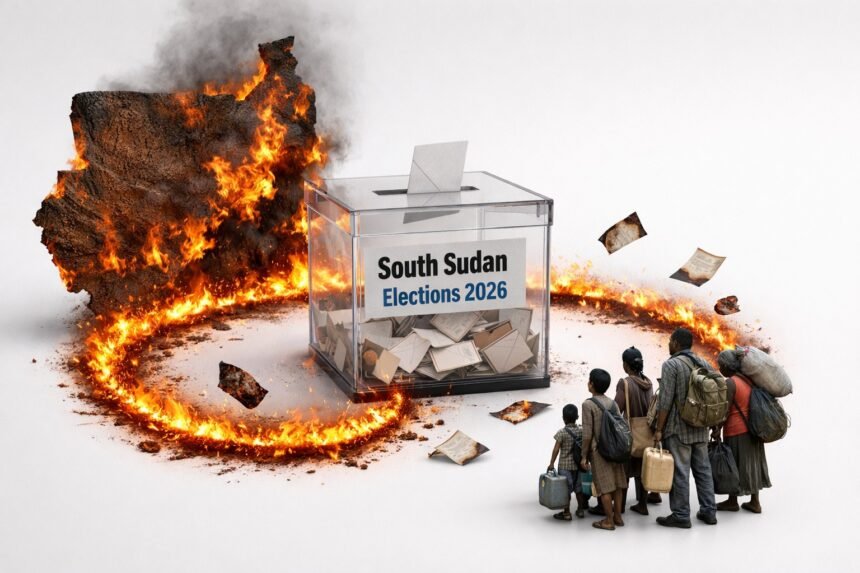
South Sudan’s porous frontier with Sudan has become a flashpoint, with recent incidents heightening fears of entanglement. In early January 2026, Sudanese forces captured over a dozen South Sudanese nationals allegedly fighting alongside the Rapid Support Forces in Kordofan, prompting accusations from Khartoum that Juba supports the paramilitaries. Juba denies involvement, countering with claims of Sudanese incursions and airstrikes on its territory. These escalations, amid Sudan’s siege operations, risk pulling South Sudan deeper into the fray, diverting security resources from domestic stabilization. Humanitarian fallout is acute: over 700,000 Sudanese refugees have flooded into South Sudan since 2023, overwhelming camps and fueling inter-communal clashes over scarce resources like water and grazing land.
Elections Imperiled: Delays Amidst Conflict Spillover
Scheduled for December 22, 2026, South Sudan’s elections, postponed five times since independence, face unprecedented peril from Sudan’s war. Preparations, including voter registration and census efforts, stall as border instability displaces populations and hampers logistics. The National Elections Commission, underfunded and logistically challenged, struggles to deploy in conflict zones. Recent violence surges in Jonglei and Unity states, linked to war-induced arms flows and refugee tensions, have killed hundreds and displaced thousands, eroding the security needed for campaigning. Policy experts emphasize that without a ceasefire and international oversight, polls risk illegitimacy, potentially igniting nationwide unrest.
SPLA IG vs. IO Rivalry: Factional Strains Amplified by External Pressures
The enduring rivalry between President Salva Kiir’s Sudan People’s Liberation Army-In Government and Riek Machar’s Sudan People’s Liberation Army-In Opposition intensifies amid Sudan’s ongoing war. Accusations of proxy alignments, Kiir’s faction tied to the Sudanese Armed Forces’ interests, and Machar’s allegedly sympathetic to the Rapid Support Forces, fuel distrust, eroding the 2018 peace accord’s power-sharing framework. Clashes since March 2025, including aerial bombardments and ambushes, have claimed civilian lives and displaced communities, with Sudan’s conflict providing arms and fighters. This factional deadlock delays the formation of unified armed forces, a prerequisite for secure elections, thereby risking ballot boycotts or violence if perceived as biased.
Political Unrest Escalation: Humanitarian Crises and Displacement
Sudan’s war amplifies South Sudan’s unrest, blending cross-border militancy with internal grievances. Refugee influxes strain ethnic balances, sparking clashes over resources and exacerbating food insecurity, affecting half the population. Political reshuffles and detentions of opposition figures heighten polarization, with Kiir’s treason charges against Machar in September 2025 signaling pre-electoral repression. Surge in ceasefire violations, 635 civilians killed in one quarter of 2025, reflects war’s spillover, with improvised weapons and riverine attacks mirroring Sudanese tactics. Without de-escalation, unrest could culminate in election-time chaos, undermining voter turnout and legitimacy.
Democracy Struggles Deepened: Institutional Gaps and International Roles
South Sudan’s democratic aspirations falter as Sudan’s instability exposes institutional voids. Lacking a permanent constitution and comprehensive census, elections risk exclusion, particularly for displaced groups. War’s economic toll, disrupted oil flows, South Sudan’s lifeline, worsens fiscal crises, leaving civil servants unpaid and electoral bodies under-resourced. Regional bodies urge inclusive dialogue, but slow peace implementation perpetuates cycles of violence. International actors, navigating geopolitical shifts such as reduced U.S. engagement, must bolster mediation to avert relapse and ensure polls advance reconciliation rather than regression.
Development Detours: Economic and Humanitarian Setbacks
Sudan’s conflict detours South Sudan’s development, crippling oil-dependent revenues and inflating humanitarian needs. Pipeline disruptions through Sudan halt exports, deepening poverty amid global economic dimness. Climate shocks and war-induced floods compound vulnerabilities, displacing millions and stalling infrastructure. For the 2026 elections to foster progress, addressing these requires unified governance and aid, transforming the burdens of conflict into catalysts for equitable growth.


