





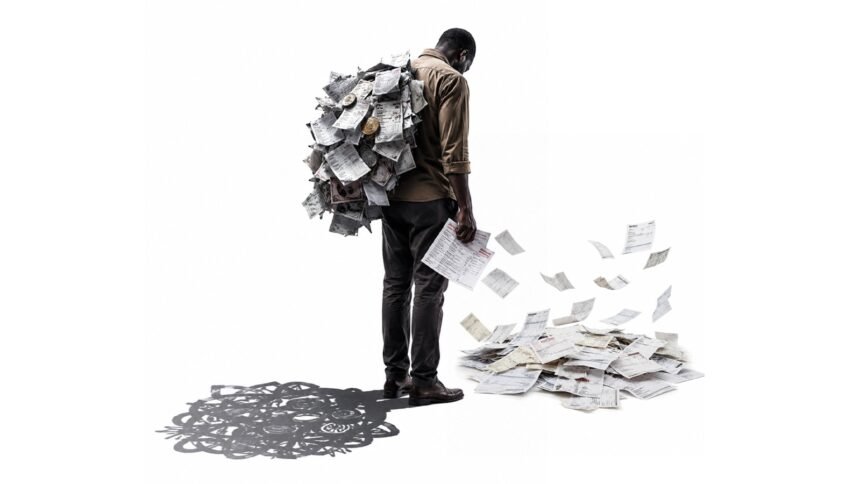
When Mugabo lost his job, the weight of providing for his family suddenly became heavier than he could bear. The father of two watched bills pile up while opportunities remained scarce. Unable to cope with the growing pressure, he turned to alcohol. What started as a temporary escape gradually became a dependency that damaged his mental health and strained his marriage.
Today, four years sober, Mugabo has rebuilt his life. Through counseling, determination, and support from those around him, he found employment, restored relationships with his children, and regained a sense of purpose.
Across Africa, many men continue to shoulder the expectation of being providers, often measuring their worth by their ability to financially support their families. Yet when jobs are lost, businesses fail, or debts accumulate, the psychological impact is rarely discussed.
The World Health Organization estimates that more than one billion people globally live with a mental health condition. At the same time, suicide claimed 727,000 lives in 2021, with men accounting for the majority of deaths.
Studies have also found that men facing financial stress are significantly more likely to develop mental health problems, creating a cycle in which economic hardship and emotional distress reinforce one another.
As the world marks Men’s Mental Health Awareness Month, experts are calling for greater attention to the link between financial stress and men’s mental well-being.
“Financial difficulties affect much more than a person’s bank account; they affect sleep, relationships, confidence, decision-making, and overall well-being,” says psychologist and mental wellness consultant Janvier Muhire.
For many men, financial hardship triggers a cycle of worry and self-doubt. The inability to pay school fees, rent, or household expenses can create feelings of failure and hopelessness. Over time, persistent stress may contribute to anxiety, depression, and unhealthy coping mechanisms such as substance abuse.
Many men withdraw from social activities because they feel embarrassed about their financial situation. Some avoid family gatherings, weddings, and community events, while others isolate themselves from friends and support networks. According to mental health professionals, this isolation can deepen emotional distress and make recovery more difficult.
In severe cases, financial pressure can contribute to broken relationships, family conflict, addiction, and thoughts of self-harm. Yet despite these risks, many men remain reluctant to seek help.
Across much of Africa, cultural expectations continue to portray men as strong, self-reliant providers who should solve problems on their own. Admitting emotional distress is often seen as a sign of weakness, causing many to suffer in silence.
Mental health practitioners argue that recognizing financial stress as a legitimate mental health issue is an important first step.
“Accepting your situation does not mean giving up; it means understanding where you are and taking practical steps forward. Setbacks can become opportunities for growth if people seek support and stay connected,” Muhire explains.
Experts also stress that financial resilience begins long before a crisis occurs.
According to Jackson Kwikiriza, Chief Executive Officer of the Association of Microfinance Institutions in Rwanda (AMIR), financial stress is often worsened by poor planning and panic-driven decisions.
In times of economic uncertainty, many people react to rumors or fears about inflation, fuel prices, or market instability by making rushed financial choices. Others continue spending as if their income has not changed, even as living costs rise.
The result can be a dangerous cycle of debt, asset sales, and financial insecurity.
“Economic resilience depends more on planning and adaptation than panic. “Households should prioritize essential expenses, maintain realistic budgets, and make decisions based on reliable information rather than speculation,” Kwikiriza says.
For businesses and families alike, financial discipline can help reduce stress and improve long-term stability.
At the same time, mental health specialists emphasize that managing financial stress requires more than budgeting alone. Strong support systems, counseling services, and open conversations about emotional well-being are equally important.
As African countries continue expanding access to mental health services, advocates hope more men will feel comfortable seeking help before financial pressures become overwhelming.
Mugabo’s experience serves as a reminder that financial setbacks need not define a person’s future. With support, planning, and access to care, recovery is possible.
The challenge now is to ensure that more men understand that seeking help is not a sign of failure but a step towards rebuilding both financial and mental well-being.