



Amid the relentless interplay of armed conflict, climatic disruptions, and socioeconomic fractures, Nigeria’s North-East region epitomizes the profound human cost of Africa’s displacement epidemic. This article examines the intricate historical and contemporary dynamics that fuel mass uprooting, the staggering scale of internal migration across the continent, and innovative empowerment paradigms that prioritize self-determination. Infused with Pan-African ideals of unity and collective progress, alongside a commitment to accountable humanitarian frameworks, it explores resilient strategies forged in adversity, unpacks multifaceted obstacles, and charts prospective trajectories toward enduring autonomy. Through a narrative rooted in Nigerian tenacity and broader African kinship, the discourse underscores the imperative of amplifying the voices of the displaced to transform vulnerability into vibrant, self-sustaining futures, drawing on evolving interventions that bridge immediate relief with long-term societal reintegration.
Pan-African Harmonies: Nigerian Displacement in Continental Chorus
The African continent, a vast expanse of diverse heritages and unyielding spirits, continues to confront the pervasive shadow of forced displacement, where millions navigate the harsh realities of exile within their own borders. In Nigeria’s North-East, this Pan-African challenge assumes a distinctly local resonance, with over 14 years of insurgency displacing populations and disrupting ancestral ways of life. Pan-Africanism, embodying principles of solidarity, self-reliance, and shared destiny, as championed by visionaries such as Kwame Nkrumah and Julius Nyerere, provides a foundational lens for addressing such crises and advocating cross-border collaborations that empower the displaced beyond mere survival. Across Sub-Saharan Africa, displacement figures have swelled to over 38 million internally displaced persons by mid-2025, driven by conflicts in the Sahel, Horn of Africa, and Great Lakes regions, compounded by climate-induced hardships. Nigeria’s North-East, encompassing Borno, Adamawa, and Yobe states, hosts approximately 2.2 million IDPs as of recent assessments, a figure that underscores the region’s role as a microcosm of continental woes. Here, the displaced are not isolated victims but integral threads in Africa’s resilience narrative, in which initiatives such as the African Union’s Kampala Convention on IDPs promote protection, assistance, and durable solutions. This continental framework informs Nigerian efforts, fostering environments in which displaced communities co-create pathways to stability, blending local innovations with regional support to heal divides and nurture collective prosperity. The interplay of Nigerian cultural fortitude—evident in communal farming traditions and storytelling circles—with Pan-African mechanisms highlights a holistic approach, transforming displacement from a curse into a catalyst for unified renewal.
Insurgent Legacies: Unraveling Nigeria’s Displacement Tapestry
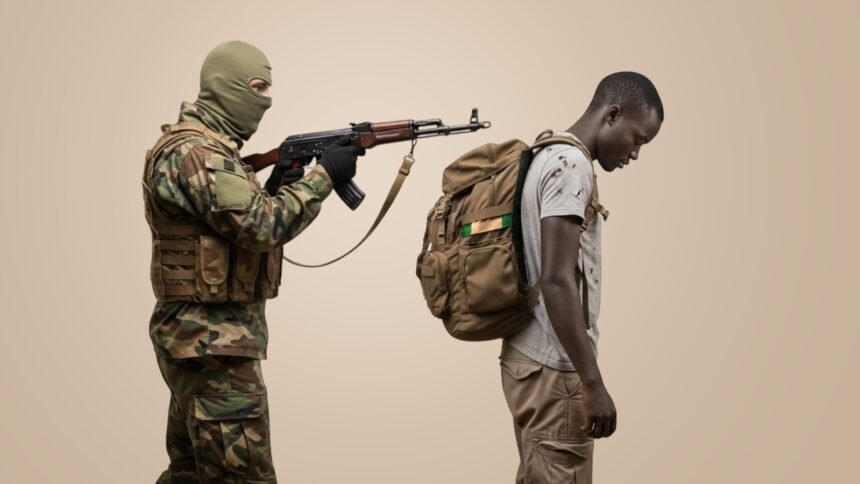
The origins of displacement in Nigeria’s North-East weave a complex tapestry of ideological clashes, governance lapses, and escalating violence, tracing back to 2009 when Boko Haram’s militant ideology erupted into widespread terror. Rooted in grievances over poverty, inequality, and perceived Western encroachments, the insurgency rapidly evolved from localized uprisings in Borno State to a regional scourge, displacing families from fertile agricultural heartlands and pastoral routes around Lake Chad. By mid-2025, this protracted conflict has displaced more than 2.2 million people, with assessments from the Displacement Tracking Matrix indicating that 465,935 households are affected, marking a slight decline from prior peaks yet signaling persistent instability. This Nigerian saga parallels broader African displacement histories, where colonial-era boundaries and post-independence strife—such as in Sudan’s civil wars or the Democratic Republic of Congo’s resource conflicts—perpetuate cycles of exile. In the North-East, the human toll extends beyond numbers: villages razed, markets silenced, and social bonds frayed, with women and children bearing disproportionate burdens through loss of livelihoods and exposure to gender-based violence. Yet, amid the ruins, seeds of resistance sprout—local vigilance groups collaborating with security forces, and community-led reconciliation forums drawing on Hausa-Fulani traditions of mediation. These legacies, while marred by ongoing ambushes and kidnappings, lay the groundwork for empowerment, echoing Pan-African calls for restorative justice and reminding that Nigeria’s displaced carry within them the cultural and historical tools to rebuild, not as dependents, but as architects of their reclamation.
Continental Currents: Nigeria Amid Africa’s Displacement Waves
Africa’s displacement landscape forms a turbulent sea of human movement, with over 38 million internally displaced across the continent by 2025, positioning it as the global epicenter of such crises. Sudan leads with a staggering 11.6 million IDPs amid civil strife, followed closely by the Democratic Republic of Congo’s 6.2 million entangled in endless conflicts. At the same time, Nigeria ranks prominently, with 3.6 million people overall, of whom 2.2 million reside in the North-East. This places Nigeria’s crisis in stark relief against continental giants, where Burkina Faso’s 2.1 million and South Sudan’s displacements highlight shared vulnerabilities to insurgency and environmental stressors. In Nigeria, camps like Bakassi in Borno swell with tens of thousands, mirroring the enormity of Sudan’s Zamzam camp—the world’s largest IDP settlement with hundreds of thousands—or Kenya’s Dadaab complex. However, Nigeria’s focus remains on internal rather than cross-border flows. The 2024 floods in Maiduguri displaced an additional 400,000 people, exacerbating overcrowding in sites such as Monguno and Bama, where limited space and trenches foster congested living. These Nigerian currents intersect with Pan-African flows: more than 500,000 Nigerians seek refuge in neighboring Cameroon and Chad, thereby straining resources in the Lake Chad Basin. Such interconnections necessitate a unified continental response in which Nigeria’s experiences inform strategies to address the dual threats of violence and climate variability, promoting shared mechanisms for monitoring, resource allocation, and cross-border aid to fortify communities against recurring waves of upheaval.
Flames of Agency: Fostering Empowerment in Nigerian Exile
Empowerment among Nigeria’s displaced population serves as a beacon of agency, channeling interventions that harness inherent strengths to foster self-reliance. In the North-East’s challenging terrain, programs such as Pathfinder International’s Empowered Choices target adolescent IDPs with life-skills and health education, while the National Commission for Refugees, Migrants, and Internally Displaced Persons emphasizes vocational training to promote economic independence. Agricultural revival is central to efforts to distribute climate-resilient seeds, irrigation tools, and livestock to reclaim productivity from insecure lands, as seen in Gongulong’s community-managed poultry hatcheries, which have evolved into solar-powered enterprises sustaining local economies. Vocational pathways for women and youth include tailoring, digital literacy, and micro-enterprise setups, with village savings and loan associations mitigating financial shocks. These Nigerian sparks align with Pan-African models, such as the African Union’s Agenda 2063 aspirations for inclusive growth, transforming displaced individuals into active participants. Youth initiatives, including peace camps and entrepreneurship hubs, bridge generational gaps. At the same time, integrated efforts such as the World Bank’s SOLID Project aim to benefit 7.4 million people by enhancing access to services and opportunities. Here, empowerment transcends aid, becoming a collaborative forge in which displaced Nigerians, drawing on cultural ingenuity, such as communal labor traditions, co-design futures of autonomy, turning the flames of adversity into enduring lights of sovereignty.
Webs of Support: Humanitarian Aid in Nigeria’s Recovery Mosaic
Humanitarian aid in Nigeria’s North-East constructs intricate webs of support, intertwining immediate relief with foundational elements for lasting recovery. United Nations entities, in concert with African Union directives, orchestrate multifaceted responses: the World Food Programme’s distributions avert famine in IPC Phase 3 zones, while the International Organization for Migration enhances shelter amid recurrent floods. Organizations such as the International Rescue Committee, ZOA, and Save the Children deliver wet-feeding during crises, such as the 2024 Maiduguri deluge, providing dignified sustenance to more than 400,000 affected people. In Borno’s camps, aid integrates food security with livelihood scaffolding, aligning with Nigeria’s National Development Plan 2026-2030 to shift from crisis response to resilience-building. Pan-African influences permeate these webs through initiatives such as the AU’s MOVE program on mobility and the UN durable solutions that favor local integration. Funding from the Nigeria Humanitarian Fund and Danida supports community-led projects that emphasize climate-smart practices and market linkages. Yet, these supports face strains—underfunded appeals at 50% coverage—but when woven with Nigerian agency, they create resilient mosaics: fortified health posts, vibrant markets, and social threads mending host-displaced rifts, ensuring aid evolves from temporary webs into permanent foundations for communal thriving.
Voices Amplified: Accountability in Nigerian Humanitarian Realms
Accountability to affected populations resonates as the core rhythm in Nigeria’s humanitarian symphony, elevating displaced voices from margins to maestros of their destinies. In North-East enclaves, mechanisms such as community feedback assemblies shape aid priorities, ensuring that the distribution of poultry or seeds aligns with collective needs rather than with imposed agendas. Safeguarding measures protect vulnerable groups—women navigating aid lines and youth in labor—by preventing exploitation and fostering trust through transparent processes. This Nigerian emphasis echoes Pan-African mandates, such as the Kampala Convention’s insistence on participation, in which displaced narratives inform culturally attuned interventions and gender equity. Digital tools and oral history circles empower marginalized communities, whose insights prompt adaptations such as flood-resilient wet-feeding practices or cohesion-building dialogues. Proper accountability demands ongoing scrutiny: countering donor biases and administrative hurdles to nurture genuine partnership. In contexts where voices are amplified, humanitarianism transcends transaction, becoming a space of reciprocity. In this space, Nigeria’s displaced not only receive aid but also redefine their essence, authoring narratives of equity and empowerment.
Shadows of Struggle: Navigating Challenges in Nigerian Displacement
Shadows of struggle loom large over empowerment efforts in Nigeria’s displaced landscapes, where insecurity, environmental volatility, and systemic gaps impede holistic progress. Insurgent threats disrupt supply chains and farmland access, leaving fields fallow and communities vulnerable, while climate shocks—2024’s floods submerging Maiduguri and projections of 27-34 million Nigerians at food insecurity risk in 2025—erode nutritional advances. Gendered disparities intensify: widowed women resort to transactional survival, their ventures stymied by capital shortages and cultural norms, as youth grapple with mental health crises like depression amid unaddressed trauma. Reintegration falters on dilapidated infrastructure and host tensions, with congested camps fostering disease and exploitation. Funding shortfalls, met only halfway, trap responses in emergency modes, while root causes like conflict and poverty persist unchecked. These Nigerian shadows mirror Pan-African struggles—in Sudan’s displacements or Sahel’s droughts—yet call for tailored illuminations: robust peace accords, innovative irrigation, psychosocial networks, and integrated strategies to dispel the gloom, allowing empowerment’s light to pierce through and sustain.
Horizons of Hope: Charting Empowered Paths for Nigeria’s North
As 2025 unfolds into 2026, horizons of hope illuminate Nigeria’s North-East, envisioning empowered communities where displacement yields to determination. National strategies, including the Crisis Response Plan 2026-2028, target voluntary returns, relocations, and integrations for millions, channeling resources into 200,000 job opportunities via agricultural coalitions and skill academies. Climate-adaptive measures, from drought-resistant crops to renewable energy initiatives, promise self-sufficiency, bolstered by Pan-African alliances such as AU-UN pacts for durable settlements and cross-border resilience. Youth-driven innovations—digital platforms for advocacy and peace incubators—herald a shift, positioning Nigeria’s displaced as pioneers for African counterparts. UNDP’s community empowerment tales underscore this potential, blending livelihoods with social cohesion. Lingering shadows notwithstanding, these horizons herald triumph: thriving ecosystems where displaced Nigerians, fortified by collective will, craft legacies of liberation, ensuring hope’s dawn endures as a beacon for continental renewal.
Conclusion
In the forge of displacement in Nigeria’s North-East, Pan-African empowerment emerges as the anvil of transformation, uplifting the uprooted through resilient strategies and accountable aid. From insurgent legacies to empowered flames, their odyssey maps a blueprint for overcoming shadows, weaving communal threads into tapestries of triumph. As solidarities across Africa converge, the path ahead unfolds not as a tentative aspiration but as a resolute reality—where every displaced Nigerian voice resounds in the chorus of agency, turning trials into timeless testaments of African endurance.