





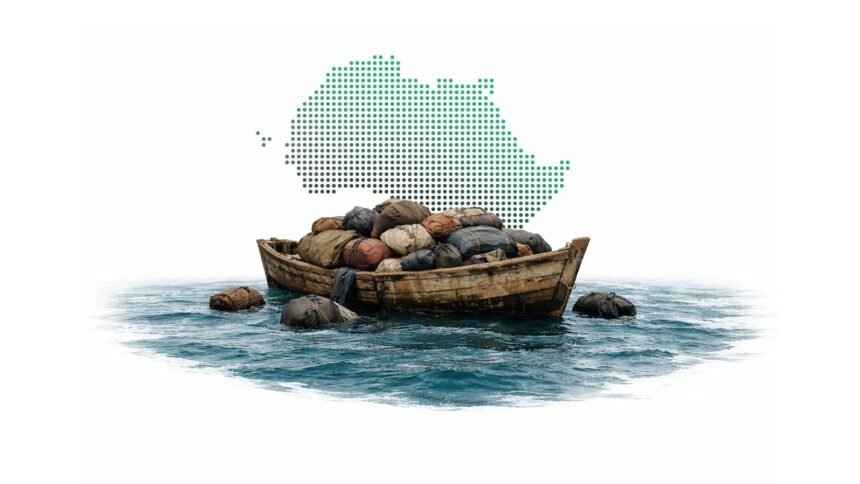
Pan-African Narratives of Perilous Crossings
The migration of Africans toward Europe via maritime routes represents a profound human tragedy intertwined with broader Pan-African aspirations for dignity, opportunity, and unity. Since 2020, thousands have embarked on treacherous voyages across the Mediterranean and Atlantic Oceans, driven by economic hardship, conflict, climate change, and political instability across the continent. These journeys, often framed within a Pan-African lens as a quest for collective resilience and shared prosperity, have instead highlighted the stark disparities between African nations and their European counterparts. The narratives emerging from survivors and communities underscore a collective grief, where the loss of life at sea not only devastates families but also erodes the Pan-African ideal of solidarity in the face of global inequities. This section explores the contextual backdrop, revealing how these migrations reflect deeper systemic issues rooted in colonial legacies and uneven development, setting the stage for an examination of the human cost.
The Shadows of Illegal Immigration: Documenting Lives Lost at Sea
Illegal immigration via sea routes from Africa to Europe has claimed an alarming number of lives since 2020, with the Mediterranean and Atlantic paths emerging as the deadliest corridors. Data compiled from various monitoring efforts indicate that over 15,000 migrants have perished or gone missing in these waters during this period, a figure that likely underrepresents the actual toll due to unreported incidents and “invisible shipwrecks.” In 2020, approximately 1,200 deaths were recorded across the Mediterranean, with an additional 850 on the Atlantic route to the Canary Islands, marking a surge amid global disruptions like the COVID-19 pandemic that exacerbated vulnerabilities.
The following year, 2021, saw a sharp escalation, with more than 3,000 fatalities: around 1,900 in the Mediterranean and over 1,500 in the Atlantic, as routes shifted toward the more perilous oceanic path. By 2022, the death count hovered around 2,500 in the Mediterranean alone, while Atlantic crossings claimed nearly 1,000 lives, reflecting intensified smuggling operations and inadequate rescue capacities. The year 2023 witnessed a grim milestone, with over 3,000 deaths in the Mediterranean and approximately 1,000 in the Atlantic, driven by overcrowded vessels and harsh weather conditions.
In 2024, the crisis peaked as the deadliest year on record, with global migrant deaths exceeding 9,000, of which roughly 2,500 occurred in the Mediterranean and a staggering 5,000 or more in the Atlantic, particularly en route to Spain’s Canary Islands. Preliminary figures for 2025 suggest a partial decline in arrivals, down by over 40% to the Canary Islands, but fatalities remain persistently high, with at least 1,800 documented deaths across both routes, underscoring that reduced crossings do not equate to safer passages. These statistics reveal patterns: the Central Mediterranean route from Libya and Tunisia accounts for the majority of Mediterranean losses, with one in 120 attempts ending in a fatality in 2024, while the Atlantic’s overseas nature leads to higher disappearance rates, often exceeding 4% of departures. Women and children, comprising a growing proportion of victims, face compounded risks, amplifying the humanitarian imperative.
Fortifying Frontiers: Border Control Strategies to Stem the Tide
Effective border control mechanisms are essential to mitigating the dangers of sea-based illegal immigration, yet they must balance security with humanitarian obligations. Since 2020, European nations have intensified maritime patrols and surveillance technologies, such as drones and satellite monitoring, to detect and intercept vessels early. Collaborative initiatives with African coastal states, including joint naval operations and capacity-building for search-and-rescue (SAR) teams, have shown promise in reducing fatalities. For instance, enhanced radar systems along the Atlantic route have enabled quicker responses to distress signals, potentially averting hundreds of deaths annually.
However, border control alone risks exacerbating perils if not paired with ethical practices. Pushback policies, which redirect vessels without due process, have been criticized for increasing exposure to harsh seas. To prevent such outcomes, integrated approaches advocate for fortified yet humane borders: establishing safe disembarkation points, training border personnel in human rights protocols, and deploying advanced life-saving equipment, such as automated buoys. Ultimately, robust border control can serve as a lifesaving barrier, redirecting flows toward legal channels and disrupting the precarious voyages that claim so many African lives.
Echoes of Exclusion: Far-Right Parties and the Politicization of African Arrivals
Far-right parties across Europe have increasingly shaped the discourse on African immigration, framing it as a security threat that amplifies public fears and influences policy toward stricter controls. Since 2020, their rise, fueled by economic anxieties and cultural narratives, has led to a securitized approach, with parties in countries like Italy, France, and Spain advocating for closed borders and rapid deportations. This stance often portrays African migrants as economic burdens or cultural disruptors, ignoring the humanitarian dimensions of their journeys and the contributions they could make.
The influence of these parties has manifested in legislative shifts, such as tightened asylum rules and externalized border management, which, in turn, heighten sea risks by forcing migrants onto more dangerous paths. Yet, this politicization overlooks root causes, perpetuating a cycle of exclusion that undermines prevention efforts. A balanced response requires countering far-right rhetoric with evidence-based policies that emphasize integration and legal migration, and fostering a narrative in which African mobility is seen not as an invasion but as a shared global challenge.
Unraveling the Chains: Confronting Human Trafficking Networks
Human trafficking networks operating between Africa and Europe have proliferated since 2020, exploiting desperate migrants and contributing significantly to sea fatalities. These syndicates, often intertwined with smuggling operations, lure individuals with false promises of safe passage, only to subject them to overcrowded, unseaworthy boats. In West and North Africa, networks based in hubs like Agadez and Tripoli coordinate routes, generating millions in illicit revenue while exposing victims to violence, extortion, and abandonment at sea.
To prevent such tragedies, dismantling these networks demands multinational action: intelligence-sharing to map operations, targeted law enforcement raids, and financial tracking to disrupt funding streams. Empowering African communities through awareness campaigns and alternative livelihoods for former traffickers can erode the networks’ base. Moreover, distinguishing trafficking from voluntary smuggling in policy frameworks ensures victims receive protection rather than punishment, reducing the allure of these deadly enterprises and safeguarding lives en route.
Bridging Continents: AU-EU Efforts in Harmonized Migration Governance
The African Union (AU) and European Union (EU) have deepened collaboration since 2020 to address sea migration fatalities, recognizing mutual interests in stability and development. Through dialogues like the AU-EU Migration and Mobility framework, initiatives focus on root causes, including economic partnerships and conflict resolution in origin countries. Joint programs, such as capacity-building for African border agencies and funding for safe return mechanisms, aim to curb irregular departures.
Key efforts include the Khartoum Process, efforts to target smuggling in the Horn of Africa, and investments in vocational training to provide alternatives to migration. Despite challenges such as divergent priorities, Europe’s emphasis on returns versus Africa’s on legal pathways, these collaborations have yielded reductions in specific routes, as seen in the 2025 drop in arrivals to the Canary Islands. Strengthening AU-EU ties through equitable agreements can enhance prevention, promoting a governance model where migration becomes a bridge rather than a barrier.
Safeguarding Souls: Pathways to Protection and Prevention
Comprehensive protection strategies are vital to avert future sea tragedies by integrating immediate safeguards with long-term solutions. Enhancing SAR operations through international protocols ensures timely rescues, while legal migration pathways, such as expanded visas for skilled African workers, diminish reliance on illicit routes. Addressing root causes through Pan-African development initiatives, such as climate resilience projects and education investments, can reduce migration pressures.
Protection must also encompass post-arrival support, with trauma-informed asylum processes and family reunification programs. By prioritizing human dignity over deterrence, these measures foster a protective ecosystem that honors the lives lost since 2020 and charts a safer future for African migrants seeking hope across the waves.