




Pan African Parallels: Repression in Transitional Democracies
Tunisia’s escalating clampdown on political dissent, exemplified by recent judicial proceedings against opposition figures, mirrors broader Pan-African trends in which post-revolutionary states grapple with authoritarian backsliding amid economic pressures and identity politics. Comparative perspectives reveal similarities with nations such as Madagascar, where youth-led uprisings yield to military consolidations, and Tanzania, where electoral violence suppresses reform demands. In these contexts, central governments wield legal tools to neutralize rivals, often framing them as threats to stability, while continental economic dimness, persistent inflation, and inequality fuel unrest. Tunisia’s trajectory, once a beacon of hope, now underscores how fragile transitions can revert to control mechanisms, inviting reflections on whether such measures avert chaos or perpetuate exclusion.
Tunisia’s Clampdown: Judicial Weaponization Against Dissent
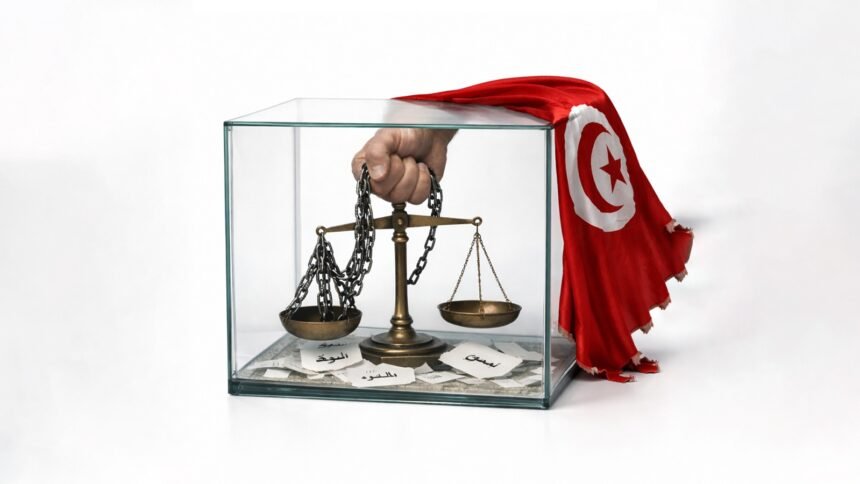
Under President Kais Saied’s administration, Tunisia has intensified actions against political opposition through mass trials and prolonged detentions, targeting figures across the ideological spectrum. An appeal court’s February 3, 2026, decision upheld and amplified prison terms for high-profile individuals, including opposition leader Rached Ghannouchi, whose sentence escalated from 14 to 20 years, alongside former security officials and activists like Nadia, all convicted on conspiracy charges against state security. This follows a pattern of in absentia proceedings, denied defenses, and extended emergency powers, renewed through December 2026, that grant broad surveillance and assembly bans. Saied’s narrative portrays these as anti-corruption necessities, yet critics view them as systematic efforts to dismantle pluralism, echoing pre-2011 tactics under Ben Ali.
Arab Spring Legacy: From Uprising to Entrenched Control
The Arab Spring’s Tunisian spark, igniting regional demands for dignity and reform in 2011, now contrasts starkly with Saied’s consolidation since his 2021 self-coup. Initially elected on anti-elite promises, Saied suspended parliament, dismissed judges, and rewrote the constitution to centralize authority, moves justified as correcting revolutionary deviations. Opposition hunger strikes, led by figures like Jaouhar Ben Mbarek, enduring assaults, and Issam Chebbi joining in solidarity, symbolize resistance, transcending Islamist-secular divides. Yet these actions highlight how Spring ideals of inclusive governance yield to executive dominance, with suspensions of civil society and curbs on media freedom that frame dissent as a foreign conspiracy. This tactic erodes the uprising’s foundational gains.
Non-Democratic Centralism vs. Anarchy: Stability at Freedom’s Cost
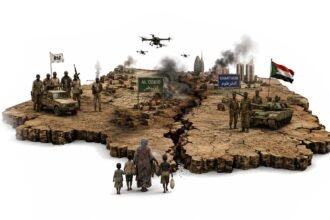
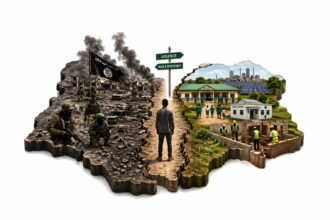
Compared with Tunisia’s shift toward non-democratic centralism, which prioritizes order over pluralism, raises questions about whether such governance averts civil war or sows the seeds of future upheaval. Unlike Sudan’s chaotic factionalism or Libya’s fragmented warlordism, Saied’s model consolidates power to preempt anarchy, yet at the expense of civic space. Rival rallies, pro-Saied crowds decrying opponents as traitors amid economic woes like shortages, illustrate polarized societies where repression maintains facade stability. This contrasts with Cameroon’s prolonged incumbency or the Ivory Coast’s electoral exclusions, in which central control mitigates immediate violence but stifles long-term reconciliation, risking implosion as grievances accumulate.
Democracy Struggles Across Africa: Shared Patterns of Backsliding
Tunisia’s opposition purge aligns with broader struggles for democracy in Africa, where leaders exploit the judicial and security apparatuses to marginalize rivals, as seen in Uganda’s internet shutdowns and Tanzania’s post-poll crackdowns. Economic turbulence, high inflation, and inequality exacerbate these, mirroring Madagascar’s youth unrest post-coup or South Sudan’s election delays amid escalations. In Tunisia, prolonged emergencies and conspiracy trials reflect a continental shift toward hybrid regimes, blending electoral rituals with authoritarian tools, undermining post-colonial aspirations for equitable rule, and inviting comparisons with Sahel juntas that delay transitions under nationalist pretexts.
AU-UN Initiatives: Mediation in Repressive Contexts
Continental and global bodies like the African Union and the United Nations have voiced concerns over Tunisia’s trajectory, urging dialogue amid rights violations. Yet, interventions remain restrained, echoing muted responses to Ethiopia’s insurgencies or Uganda’s suppressions. AU charters mandate action against unconstitutional changes, but Saied’s incrementalism evades triggers, prompting calls for observer missions and aid conditions tied to reforms. UN statements on prisoner abuses and assembly freedoms advocate inclusive dialogue, yet effectiveness wanes without enforcement, highlighting challenges in mediation when central governments frame opposition as existential threats.
National Political Dialogue: Pathways to Reconciliation
Reviving Tunisia’s democratic ethos requires national political dialogue that transcends Saied’s unilateralism, potentially through cross-factional forums that address economic grievances and safeguard judicial independence. Comparative lessons from Senegal’s poll concessions or Kenya’s youth-forced retreats suggest unified opposition, bridging hunger strikers and rally participants, could pressure for prisoner releases and constitutional reviews. Regional Maghreb alliances might facilitate the linking of reforms to migration aid, fostering a balanced transition that honors the Arab Spring legacy while averting civil strife through inclusive governance.