




Pan African Warfare: Emerging Drone Tactics in Conflicts
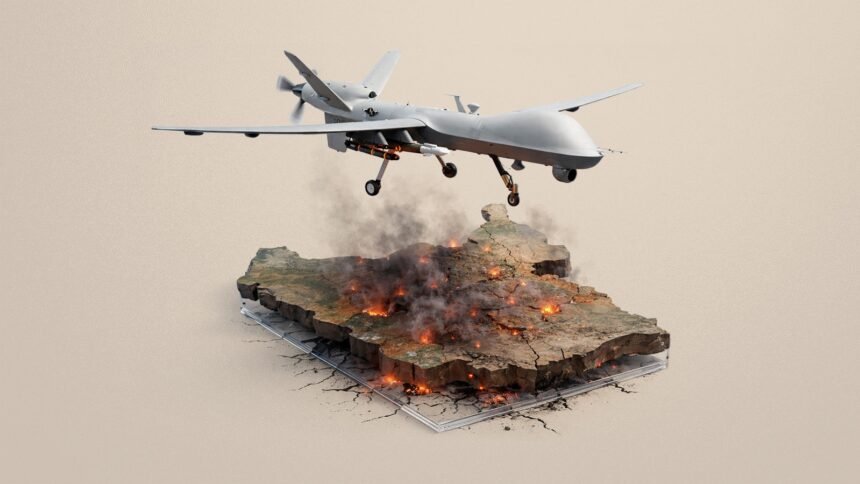
The integration of unmanned aerial vehicles into African conflicts represents a transformative evolution in warfare, in which precision strikes and surveillance capabilities alter power balances and exacerbate humanitarian crises. In South Sudan, the recent airstrike on a humanitarian hospital in Jonglei state exemplifies this shift, attributed to government forces as the sole entity with aerial prowess. This trend echoes continental patterns, from Sudan’s drone-heavy civil war, recording over 1,000 strikes since 2023, to Ethiopia’s insurgent-plagued regions, where UAVs enable remote operations amid terrain challenges. Pan-African implications include heightened risks of spillover, as seen in border tensions with Sudan, underscoring how drone proliferation, often sourced from external powers, intensifies internal divisions and hinders peace processes.
South Sudanese Skies: Airstrikes and Tactical Innovations
South Sudan’s skies have become arenas for advanced tactics, with the February 4, 2026, airstrike on Médecins Sans Frontières’ hospital in Jonglei destroying critical supplies for over 200,000 people. The attack, occurring amid escalating factional clashes, highlights drones’ role in enabling targeted yet indiscriminate operations, minimizing ground risks while maximizing impact. Government silence in response to queries contrasts with opposition accusations of deliberate targeting, fueling cycles of retaliation that displace communities and strain resources. This incident aligns with broader escalations, where aerial assaults disrupt humanitarian corridors and intensify food insecurity, affecting half the population.
UAVs Deployment: Precision in Protracted Strife
Unmanned aerial vehicles represent a new tactical frontier in South Sudan, allowing forces to conduct surveillance and strikes with reduced exposure. The Jonglei hospital hit, potentially executed via drone, demonstrates UAVs’ capacity for rapid deployment in remote areas, evading ground defenses while delivering payloads that devastate infrastructure. External sourcing, mirroring Sudan’s Iranian and Turkish models, suggests acquisitions through regional alliances, enhancing government reach amid economic constraints. However, this innovation raises ethical concerns, as imprecise targeting in populated zones contravenes international norms, amplifying civilian casualties and eroding trust in transitional mechanisms.
SPLM IG vs. SPLM IO Dynamics: Aerial Advantages Deepen Divides
The rivalry between the Sudan People’s Liberation Movement/in Government and in opposition intensifies with the integration of UAVs, which grant the government faction superior reconnaissance and strike capabilities. Opposition advances in Jonglei and Upper Nile face counteroffensives bolstered by aerial tactics, including helicopter downings by militias like the White Army. These asymmetries erode the 2018 accord’s power-sharing, as government airstrikes, condemned by global observers, target perceived rebel strongholds, prompting accusations of war crimes and further entrenching ethnic fault lines.
Political Transition Challenges: Drone Warfare’s Electoral Shadows
Drone tactics complicate South Sudan’s political transition, diverting focus from electoral preparations to survival amid violence. The 2026 polls, already delayed, face setbacks as airstrikes displace voters and destroy infrastructure, stalling registration and boundary efforts. Factional distrust, amplified by aerial dominance, risks boycotts and unrest, undermining legitimacy and prolonging the limbo that favors militarized governance over inclusive reforms.
National Dialogue Imperatives: Toward De-escalation and Regulation
Fostering national dialogue is crucial to mitigating drone warfare’s impacts, prioritizing civilian protection, and developing regulatory frameworks for UAV use. Inclusive forums, mediated by the African Union and the United Nations, could address sourcing transparency and ceasefire enforcement, drawing on continental precedents such as Sahel arms control. By integrating youth militias and displaced voices, dialogue might redirect aerial innovations toward surveillance for peace, transforming tactical shifts into tools for reconciliation and stable transitions.